
Body & skin
Hyperpigmentation: At-Home Care and In-Clinic Treatment
The main types of hyperpigmentation, why sun is the biggest driver, and how topical products, peels and laser may help, with realistic timelines and risks.
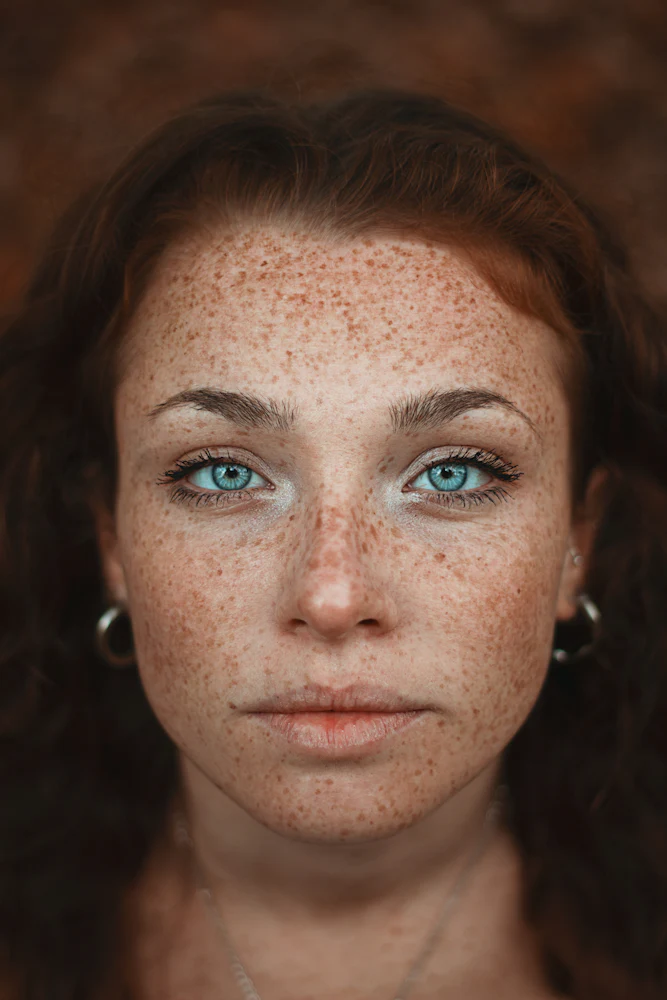
Hyperpigmentation means areas of skin that are darker than the surrounding skin because of extra melanin, the pigment that gives skin its colour. It can often be improved with daily sun protection and targeted topical products, and in-clinic treatments such as peels or laser can help some types. Progress is usually gradual, and the right approach depends on what kind of pigmentation you have.
The main types of hyperpigmentation
Dark patches can look alike but have different causes, and treating the wrong type can make things worse. The most common types include:
- Sun spots (solar lentigines): flat brown spots on the face, hands, chest and shoulders that develop after years of sun exposure. They are common from middle age onward.
- Freckles: small spots that darken in summer and fade in winter, more common in fair skin.
- Post-inflammatory hyperpigmentation (PIH): dark marks left after acne, eczema, insect bites, burns or skin injury. PIH is more common and longer-lasting in medium to deeper skin tones.
- Melasma: larger, symmetrical patches on the cheeks, forehead, upper lip or jawline, linked to hormones, sun and visible light. It is often triggered by pregnancy or hormonal contraception and tends to recur.
Some dark spots are not pigmentation problems at all. A mole or patch that is new, changing in size, shape or colour, irregular, itchy or bleeding should be checked by your family doctor or a dermatologist before any cosmetic treatment. Skin cancers such as melanoma can sometimes look like an ordinary brown spot.
Sun: the main driver
UV light stimulates pigment cells to produce more melanin, which is why sun exposure both creates new spots and darkens existing ones. Visible light, especially from the sun, also appears to play a role in melasma and PIH, particularly in deeper skin tones.
This makes sun protection the cornerstone of every pigmentation plan. Without it, even effective treatments tend to lose ground. Useful steps include daily broad-spectrum sunscreen of SPF 30 or higher, reapplying when outdoors, a wide-brimmed hat and seeking shade. Tinted sunscreens containing iron oxides add some protection against visible light, which may help people with melasma. For more on daily use here, see sunscreen year-round in Nova Scotia.
At-home topical care
Several topical ingredients may gradually lighten pigmentation by slowing melanin production or speeding up the shedding of pigmented cells. Common choices include:
- Azelaic acid, useful for PIH and melasma and often well tolerated
- Retinoids, which increase cell turnover; see retinoids explained
- Vitamin C, an antioxidant with a mild brightening effect
- Niacinamide, which may reduce the transfer of pigment to surface cells
- Tranexamic acid, kojic acid and arbutin, found in a range of brightening products, with varying levels of evidence
- Hydroquinone, a lightening agent that should be used under medical guidance and for limited periods, as advised by a doctor
Topical products generally take two to three months or more to show a change. Irritation is a real concern, because inflamed skin can produce more pigment and undo progress. Start one product at a time, patch test and stop anything that causes persistent redness or burning. Many brightening ingredients, including retinoids and hydroquinone, should be avoided or discussed with a doctor during pregnancy and breastfeeding.
In-clinic treatments
When at-home care is not enough, in-clinic options may help, chosen according to the type of pigment and your skin tone.
Chemical peels
Superficial peels with ingredients such as glycolic, lactic, mandelic or salicylic acid can help fade surface pigmentation over a series of sessions. They are often used alongside topical products. Deeper peels carry a greater risk of rebound darkening, particularly in deeper skin tones. See chemical peels explained for more.
Laser treatment
Some lasers, including settings on the Fotona laser, can target pigmented spots or treat the skin's surface layers. Laser tends to be most predictable for well-defined sun spots in lighter skin. It is used more cautiously for melasma and PIH, since heat and inflammation can sometimes darken these conditions, and results often need maintenance.
In-clinic treatments are usually postponed or avoided during pregnancy, with a tan or recent sun exposure, with active infection or cold sores in the area, after recent oral isotretinoin, or with a suspicious spot that has not been assessed. Possible side effects include redness, swelling, temporary darkening of spots before they lighten, rebound or worsening pigmentation, lightened patches, blistering and, rarely, scarring.
Why patience matters
Pigmentation usually develops over months or years, and it fades slowly. PIH may take several months to a year or more to settle, even with treatment. Melasma is considered a chronic condition: it can often be improved and controlled, but it commonly returns with sun exposure, heat or hormonal changes.
It also helps to keep a simple record of progress, such as photos taken every month or two in the same lighting. Day-to-day changes are hard to notice in the mirror, and comparing over longer periods gives a clearer sense of whether a plan is working or needs to change.
A realistic plan focuses on steady improvement and prevention rather than complete removal. Results vary from person to person, and maintenance with sunscreen and topical care is usually needed long-term.
Frequently asked questions
Can I just scrub dark spots away?
No. Scrubbing and harsh exfoliation irritate the skin and can make pigmentation, especially PIH and melasma, worse.
Why did my spots get darker after treatment?
Some spots darken temporarily before flaking off after laser or peels. Persistent darkening may be rebound pigmentation and should be reviewed by your provider promptly.
Is pigmentation on my hands treatable too?
Often, yes. Sun spots on the hands may respond to topical care, peels or laser, and daily sunscreen on the backs of the hands helps prevent new ones.
Next steps
The first step is understanding which type of pigmentation you have and making sure no spot needs a medical check. From there, many people do well with sunscreen and a simple topical plan, while others may consider peels or laser. If you would like an assessment, HealthPark Medical Aesthetics can review your skin and discuss options, including when the most sensible choice is to keep things simple.
Keep reading

Body & skin
What Happens at a Skin Consultation
What to expect at a skin consultation: medical and skincare history, skin examination, setting priorities, discussing options including no treatment, and fees.
Read article
Body & skin
Mixing Skincare Actives: Which Combinations Irritate
Which skincare actives clash, such as retinoids with strong acids, how to split actives between morning and night, and how to layer without harming the barrier.
Read article
Body & skin
Microneedling for Acne Scars: What to Expect
Which acne scar types tend to respond to microneedling, the usual treatment series, combining it with other methods, and why improvement builds over months.
Read article