
Body & skin
Microneedling for Acne Scars: What to Expect
Which acne scar types tend to respond to microneedling, the usual treatment series, combining it with other methods, and why improvement builds over months.
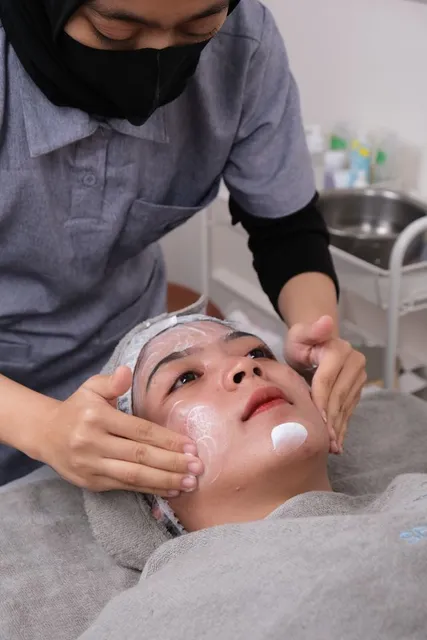
Microneedling can soften certain acne scars, especially broad, shallow rolling scars, by encouraging the skin to build new collagen over several months. It usually takes a series of sessions, and the improvement is gradual and partial rather than complete. Deep, narrow scars often need other treatments alongside it.
First, are they scars or dark marks?
After a pimple heals, many people are left with flat brown, red or purple spots. These are usually post-inflammatory colour changes, not true scars, and they often fade on their own over months with sun protection and gentle skincare. Microneedling is not the main tool for these marks.
True acne scars change the texture of the skin, leaving dents or, less often, raised areas. Our article on acne scars versus dark marks explains how to tell the difference.
It is also important that acne itself is under control before scar treatment begins. Treating scars while new breakouts are still forming can spread bacteria and creates new scars as fast as old ones improve. Your family doctor can help with active acne first.
Which scar types tend to respond
Acne scars come in a few main shapes, and they respond differently:
- Rolling scars: wide, shallow depressions with soft, sloping edges that give the skin a wavy look. These often respond best to microneedling.
- Boxcar scars: broader dents with sharper, steeper edges. Shallow boxcar scars may improve somewhat; deeper ones often need combined treatment.
- Ice pick scars: narrow, deep pits that look like they were made with a sharp point. Microneedling alone usually has limited effect on these.
- Raised scars: thickened scars or keloids, which are more common on the jaw, chest and back. Microneedling is generally not the right choice and may make keloids worse.
Most people have a mixture of scar types, which is one reason a personalised plan matters more than a single technique.
How microneedling helps scars
A medical microneedling device makes many tiny, controlled punctures in the skin. The skin responds with a healing process that includes laying down new collagen. Over time, this can lift and smooth shallow depressions and improve overall texture. It may also help loosen some of the fibrous strands that tether rolling scars down. For a general overview of the procedure, see our article on how microneedling works.
Needle depth is adjusted to the area and scar type. Scar treatment often uses deeper settings than general skin rejuvenation, which is why medical assessment and proper technique matter.
The typical treatment series
For acne scars, a common plan is about three to six sessions spaced roughly four to six weeks apart. More significant scarring may need more sessions. The gap gives the skin time to heal and begin remodelling between visits.
Each session usually involves cleansing, applying a numbing cream for a period of time, and then treating the scarred areas systematically. Afterward, expect redness similar to a sunburn, mild swelling and pinpoint bleeding that settles quickly. Most people look pink for one to three days, and some notice dryness or flaking for a few days after that.
Gentle cleansing, a simple moisturiser and strict sun protection are the basics of aftercare. Makeup, exfoliants and active ingredients such as retinoids are usually paused for a few days.
Combining with other methods
Because acne scars are rarely all one type, microneedling is often part of a broader plan. Approaches that may be combined include:
- Subcision: a needle is used under the skin to release the fibrous bands pulling rolling scars down.
- Targeted acid treatment: a strong acid is applied precisely into ice pick or narrow boxcar scars to stimulate repair from inside the scar.
- Chemical peels: to improve surface texture and tone between microneedling sessions.
- Laser resurfacing: fractional lasers can be used alone or alternated with microneedling for deeper texture change.
- Hyaluronic acid filler: sometimes used to lift a few individual rolling scars for a temporary effect.
Microneedling with platelet-rich plasma (PRP) is sometimes offered. Some studies suggest a small added benefit, but the evidence is mixed, and it is not clear for whom it is worthwhile.
Gradual improvement over months
Collagen remodelling is slow. Many people notice only subtle change after the first session or two. Improvement usually becomes clearer after several sessions and continues to develop for several months after the last one. A fair judgment is often made around three to six months after finishing a series.
Standardised photos in consistent lighting make progress easier to see, because changes in scar depth are easily hidden or exaggerated by light. Most people see a softer, less shadowed look rather than smooth, unscarred skin. Results vary from person to person.
Protecting the result matters too. Daily broad-spectrum sunscreen helps prevent dark marks from forming in healing skin, and keeping acne under control prevents new scars from undoing the progress.
Who should wait, and the main risks
Microneedling may need to be delayed or avoided if you:
- Have active acne, a skin infection, cold sores or an open wound in the area
- Have taken isotretinoin recently; timing should be discussed with your physician
- Are prone to keloid or raised scars
- Are pregnant
- Have a bleeding disorder, poorly controlled diabetes or a condition that affects healing
- Have an active flare of eczema, psoriasis or rosacea in the area
If you take a blood thinner, mention it, and do not stop it without your prescribing doctor's advice. Main risks include redness, swelling, bruising, temporary darkening or lightening of the skin (more likely in darker skin tones), reactivation of cold sores, infection and, rarely, worsened scarring.
Frequently asked questions
Can microneedling treat back and chest scars?
Sometimes, though skin on the body heals more slowly and raised scars are more common there, so careful assessment comes first.
Is it suitable for darker skin?
Often, yes, because it does not rely on heat. Precautions against pigment change are still needed.
How long do results last?
Collagen improvements tend to be long lasting, but skin continues to age, and some people choose occasional maintenance.
If acne scars bother you, a consultation can help identify your scar types and whether microneedling, a combined plan or another approach fits best. HealthPark Medical Aesthetics can review your skin and history and give a clear picture of what is realistic.
Keep reading

Body & skin
What Happens at a Skin Consultation
What to expect at a skin consultation: medical and skincare history, skin examination, setting priorities, discussing options including no treatment, and fees.
Read article
Body & skin
Mixing Skincare Actives: Which Combinations Irritate
Which skincare actives clash, such as retinoids with strong acids, how to split actives between morning and night, and how to layer without harming the barrier.
Read article
Body & skin
Keratosis Pilaris: Caring for Bumpy Arms and Thighs
What causes rough little bumps on the arms and thighs, gentle exfoliating and moisturising routines that may help, and why the goal is control, not a cure.
Read article