
Body & skin
Retinoids Explained: Retinol, Retinal and Tretinoin
How retinol, retinal and tretinoin work on skin, why they can irritate, how to start slowly, and why retinoids are avoided during pregnancy.
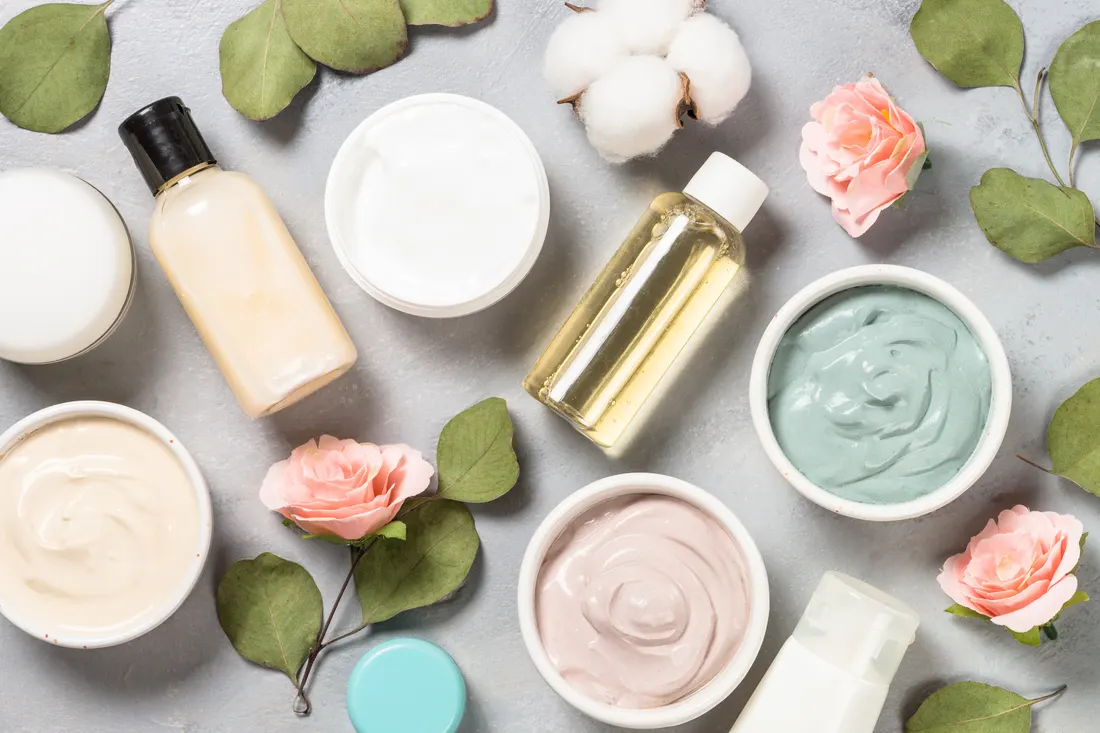
Retinoids are a family of vitamin A–based ingredients that speed up skin cell turnover and support collagen production. Retinol and retinal (retinaldehyde) are available without a prescription, while tretinoin is a prescription medication that acts directly on the skin. They differ mainly in strength and how much irritation they tend to cause, and all of them are easier to tolerate when started slowly and paired with daily sunscreen.
What retinoids do in the skin
Skin cells contain receptors that respond to retinoic acid, the active form of vitamin A. When retinoic acid binds to these receptors, it changes how skin cells grow and mature. The result is faster turnover of surface cells, less clogging of pores and, over months, more collagen in the dermis.
That is why retinoids are used for a range of concerns, including fine lines, rough texture, uneven tone, sun damage and acne. Among topical skincare ingredients, prescription tretinoin has one of the larger bodies of research for sun-related ageing, and topical retinoids are a standard part of acne treatment.
Retinol, retinal and tretinoin: the conversion chain
The main difference between these forms is how many steps the skin must take to turn them into retinoic acid.
- Retinyl esters (such as retinyl palmitate) need several conversion steps and are generally considered the mildest and weakest.
- Retinol is converted first to retinal and then to retinoic acid. It is the most common over-the-counter option and comes in a wide range of strengths.
- Retinal is one step from retinoic acid, so it tends to act more quickly than retinol at a similar strength. Some people find it a bit more irritating.
- Tretinoin is retinoic acid itself. It does not need converting, which makes it more potent and more likely to cause irritation. In Canada it requires a prescription.
Adapalene is a related synthetic retinoid used mainly for acne. Lower strengths are available without a prescription in Canada. Oral isotretinoin is a separate, prescription medication for severe acne and is not the same as topical retinoids.
Because each step of conversion reduces potency, a strong retinol is not equivalent to tretinoin, though the two can overlap for people with sensitive skin.
The adjustment period
Many people go through a few weeks of irritation when they start a retinoid, sometimes called "retinization." Common effects include:
- Dryness, tightness and flaking
- Redness and mild stinging, especially when applying other products
- Increased sensitivity to sun and wind
- A temporary flare of breakouts in acne-prone skin, which often settles within several weeks
These effects usually ease as the skin adapts, often within a month or so. Burning, swelling, blistering or a spreading rash are not normal adjustment; stop the product and seek advice. Retinoids can also make skin more reactive to waxing, so let anyone doing facial waxing know you use one.
Starting slowly
A gradual start is the most reliable way to avoid giving up because of irritation.
- Begin with a low strength of retinol or retinal, or the lowest strength prescribed.
- Apply at night, two or three times a week, to clean, dry skin.
- Use a pea-sized amount for the whole face, avoiding the corners of the nose, lips and the area close to the eyes.
- Apply moisturiser afterward, or before the retinoid if your skin is very sensitive.
- Increase frequency every couple of weeks as tolerated, aiming for most nights if your skin is comfortable.
- Use broad-spectrum sunscreen every morning.
Avoid using retinoids on the same night as exfoliating acids or scrubs when starting out. Expect to wait around three months to judge results for texture and tone, and longer for fine lines. For tips on where a retinoid fits among your other products, see building a simple, effective skincare routine.
Pregnancy and other cautions
Oral retinoids such as isotretinoin can cause serious birth defects and are strictly not used in pregnancy. The amount of a topical retinoid absorbed through the skin is small, but as a precaution, topical retinoids, including retinol and tretinoin, are generally avoided during pregnancy and while trying to conceive. Many people also avoid them while breastfeeding. If you become pregnant while using one, stop it and let your doctor know.
Retinoids may also not be suitable, or may need a gentler approach, if you have:
- Eczema, rosacea or very reactive skin
- Broken, sunburned or recently treated skin
- An upcoming or recent chemical peel, laser or microneedling session, when they are usually paused for a period your provider advises
- A current prescription acne treatment, in which case check with your prescriber before adding anything
If you use a peel or laser in future, your provider will ask about retinoid use. Our chemical peel aftercare article explains when they are typically restarted.
Frequently asked questions
Do retinoids thin the skin?
This is a common worry, but research suggests retinoids do not thin skin over time. The flaking seen early on is shedding of the outermost layer, while the deeper layers may actually become thicker as collagen increases.
Can I use a retinoid in the morning?
Most retinoids are applied at night because some forms break down in sunlight and because skin tends to be more sun-sensitive after use. Night use with morning sunscreen is the usual approach.
What age should I start?
There is no fixed age. Retinoids are used for acne in teenagers, and some adults start in their twenties or thirties for sun damage or texture. Starting is a personal choice; daily sunscreen remains the foundation either way.
Can I use a retinoid with vitamin C?
Yes, though many people find it easier to use vitamin C in the morning and the retinoid at night to reduce irritation.
Getting advice before you start
Retinoids are among the more useful skincare ingredients, but choosing the right form and strength, and knowing when to pause, makes a real difference to comfort and results. If you would like help deciding whether a retinoid suits your skin, HealthPark Medical Aesthetics can talk through your goals and skin history, and your family doctor can discuss prescription options where appropriate.
Keep reading

Body & skin
What Happens at a Skin Consultation
What to expect at a skin consultation: medical and skincare history, skin examination, setting priorities, discussing options including no treatment, and fees.
Read article
Body & skin
Mixing Skincare Actives: Which Combinations Irritate
Which skincare actives clash, such as retinoids with strong acids, how to split actives between morning and night, and how to layer without harming the barrier.
Read article
Body & skin
Microneedling for Acne Scars: What to Expect
Which acne scar types tend to respond to microneedling, the usual treatment series, combining it with other methods, and why improvement builds over months.
Read article