
Body & skin
Sunscreen Year-Round in Nova Scotia
Why UV reaches your skin on cloudy and winter days in Nova Scotia, what SPF and broad spectrum mean on Canadian labels, and how to apply and reapply.
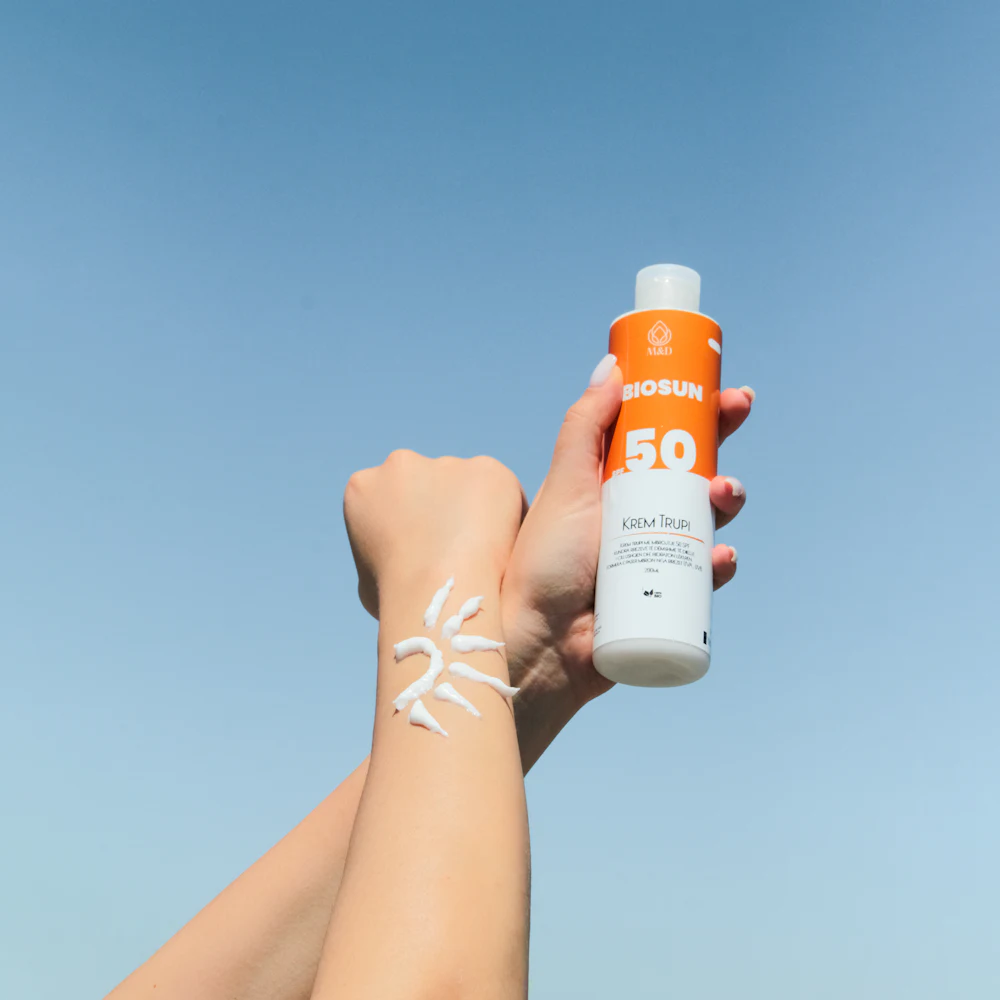
Yes, you need sunscreen in Nova Scotia even in November, on grey days and in the middle of winter. Ultraviolet (UV) light passes through clouds, reflects off snow and water, and reaches your skin through car and house windows. Daily broad-spectrum sunscreen is one of the simplest and most effective ways to reduce skin cancer risk, sun spots and premature ageing.
Two kinds of UV, two kinds of damage
Sunlight contains two main types of UV that affect skin. UVB is the main cause of sunburn and is strongest in summer and around midday. UVA penetrates deeper into the skin, contributes to wrinkles, loss of firmness and pigmentation, and also plays a role in skin cancer.
UVA is the key reason for year-round protection. Its levels stay relatively steady across the seasons and through the day, and it passes through ordinary window glass. You can be exposed to a meaningful amount of UVA while driving, sitting by a window or walking to the car, without ever feeling the warmth of the sun.
Cloudy skies and Cape Breton weather
Overcast weather is common here, and it can give a false sense of safety. Thin or broken cloud cover can let a large share of UV through, and on some partly cloudy days, light scattering off the edges of clouds can increase UV at ground level. Because clouds block heat more than UV, you may not feel the sun even when your skin is absorbing it.
Environment Canada publishes a daily UV Index forecast. When it reaches 3 or higher, which is common from spring through early fall in Nova Scotia, sun protection is recommended for anyone spending time outdoors. Checking the forecast is a useful habit, but daily sunscreen on the face removes the guesswork.
Winter, snow and water
UVB is weaker in a Nova Scotia winter, but that is not the whole story. Fresh snow reflects a large proportion of UV back up toward your face, so skiers, snowshoers and people working outdoors can burn, sometimes on the underside of the nose and chin. UV also increases with altitude.
Water, sand and even wet pavement reflect UV too. Days on the Bras d'Or Lake, along the coast or on a boat in spring and fall can bring more exposure than expected, especially with a cool breeze masking the sun's effect.
Reading a Canadian sunscreen label
In Canada, sunscreens are regulated by Health Canada as non-prescription drugs or natural health products. Look for a DIN or NPN on the label, which shows the product has been reviewed. A few terms matter most:
- SPF (sun protection factor) measures protection mainly against UVB. The Canadian Dermatology Association recommends SPF 30 or higher.
- Broad spectrum means the product also provides UVA protection that meets Health Canada's standard. Choose broad spectrum every time.
- Water resistant labels state 40 or 80 minutes. This is the time protection lasts while swimming or sweating, not a reason to skip reapplying.
Mineral sunscreens use zinc oxide or titanium dioxide, while chemical sunscreens use organic filters that absorb UV. Both work when used properly. Mineral formulas are often gentler for sensitive skin and young children, and tinted versions can help reduce the white cast some people notice.
How to apply and reapply
Most people apply far less sunscreen than the amount used to test SPF, which means they get less protection than the label suggests. A few habits help:
- Use about a half teaspoon for the face and neck, and about two tablespoons for an adult's exposed body.
- Apply it as the last step of your morning routine, around 15 minutes before going outside.
- Do not forget the ears, back of the neck, hairline, hands and tops of the feet.
- Reapply at least every two hours when outdoors, and after swimming, sweating heavily or towelling off.
- Use a lip balm with SPF.
Makeup or moisturiser with SPF can help on ordinary days, but it is rarely applied thickly enough to rely on for long outdoor periods. Sunscreen is most effective alongside shade, hats, sunglasses and clothing, especially between about 11 a.m. and 3 p.m. in summer.
When sunscreen matters even more
Some situations make daily protection particularly important:
- After chemical peels, laser treatments and microneedling, when skin is more sensitive and prone to pigment changes
- When using retinoids or exfoliating acids, which can increase sun sensitivity
- With melasma or other hyperpigmentation, which sunlight and visible light can worsen; see hyperpigmentation care and treatment
- With certain medications that increase photosensitivity, which your pharmacist can identify
- With a personal or family history of skin cancer
Sunscreen is not a reason to stay in the sun longer, and it is not a substitute for skin checks. See your family doctor about any spot that is new, changing, bleeding or not healing.
Possible side effects
Sunscreen is safe for most people, but some experience stinging around the eyes, breakouts or, rarely, allergic reactions to a specific ingredient or fragrance. Switching to a fragrance-free or mineral product often helps. For babies under six months, Health Canada advises keeping them out of direct sun and using shade and clothing rather than sunscreen; ask a pharmacist or doctor if you have questions.
Frequently asked questions
Is SPF 50 twice as good as SPF 30?
No. SPF 30 blocks most UVB, and SPF 50 blocks slightly more. The bigger difference usually comes from how much you apply and how often you reapply.
Does sunscreen stop vitamin D production?
In everyday use, sunscreen does not appear to cause vitamin D deficiency in most people. Many Canadians have low vitamin D in winter regardless; talk to your doctor about whether a supplement makes sense for you.
Can I use last summer's bottle?
Check the expiry date. If it has expired, been left in a hot car or changed in texture or smell, replace it.
A simple daily habit
Keeping sunscreen next to your toothbrush or by the door makes it an automatic part of the day, whatever the weather. It also protects any treatments or skincare you invest in. For where sunscreen fits in a routine, see building a simple, effective skincare routine. If you have questions about sun damage or pigmentation, HealthPark Medical Aesthetics can discuss your skin and the options at a consultation.
Keep reading

Body & skin
What Happens at a Skin Consultation
What to expect at a skin consultation: medical and skincare history, skin examination, setting priorities, discussing options including no treatment, and fees.
Read article
Body & skin
Mixing Skincare Actives: Which Combinations Irritate
Which skincare actives clash, such as retinoids with strong acids, how to split actives between morning and night, and how to layer without harming the barrier.
Read article
Body & skin
Microneedling for Acne Scars: What to Expect
Which acne scar types tend to respond to microneedling, the usual treatment series, combining it with other methods, and why improvement builds over months.
Read article