
Body & skin
Loose Skin After Weight Loss
Why skin may stay loose after weight loss, factors that affect recovery, what non-surgical tightening can realistically do and when surgery is the better answer.
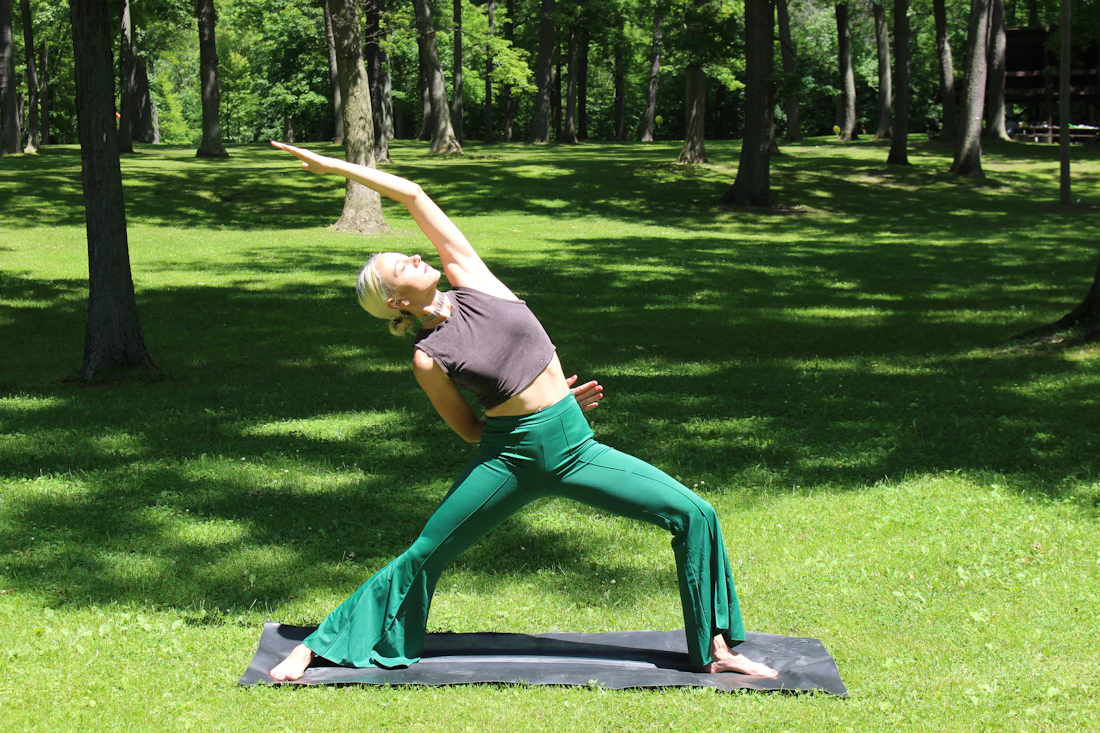
After significant weight loss, skin does not always shrink back to fit the new body shape. How much it recovers depends on how much weight was lost, how long the skin was stretched, age, genetics and sun damage. Non-surgical tightening can help mild laxity, but larger amounts of hanging skin generally need surgery to remove.
Why skin stays loose
Skin owes its firmness and spring to two proteins in the dermis: collagen, which provides strength, and elastin, which allows skin to stretch and recoil. When skin is stretched over a long period, these fibres can be damaged and the skin's ability to contract is reduced.
When the fat underneath shrinks, the skin envelope may be left larger than what it now covers. The result can range from slight crepiness to folds of skin on the abdomen, upper arms, thighs, breasts, neck or buttocks.
Losing a large amount of weight is a real health achievement, whether through lifestyle changes, medication or bariatric surgery. Loose skin is a common consequence, not a failure.
Factors that affect how well skin recovers
- Amount of weight lost: larger losses usually leave more excess skin
- Duration of weight: skin stretched for many years tends to recover less
- Speed of loss: very rapid loss may give skin less time to adapt, though evidence on this is not clear-cut
- Age: collagen production slows with age, so older skin typically rebounds less
- Genetics: some people naturally have more elastic skin
- Sun exposure and smoking: both break down collagen and elastin
Skin can continue to adjust for some time after weight stabilises. Many surgeons suggest waiting until your weight has been stable for several months before deciding on any treatment.
What you can do on your own
Home measures will not remove excess skin, but they may support skin quality and comfort:
- Strength training to build muscle, which can fill out some areas
- Adequate protein and a balanced diet to support tissue repair
- Daily sunscreen on exposed areas to protect collagen
- Not smoking
- Keeping skin folds clean and dry to prevent rashes and infections
Firming creams have little evidence for meaningful tightening. Moisturisers can improve how skin feels and looks on the surface, but they do not change its structure.
Non-surgical tightening: what it can do
Laser, radiofrequency and ultrasound devices deliver controlled heat to the deeper layers of the skin. This can cause existing collagen fibres to contract and trigger new collagen production over the following months. The Fotona laser is one device used this way, as described in our article on non-surgical skin tightening.
Results are gradual, typically taking several months to develop, and usually require a series of sessions with maintenance afterward. The improvement is modest. It is best suited to mild or moderate laxity, crepey texture, and areas where skin is loose but not hanging in folds.
If you can pinch and lift a large fold of skin that hangs over itself, non-surgical treatment is unlikely to make a satisfying difference. In that situation, being honest about the limits of non-surgical treatment saves time and money.
When surgery is the answer
Body contouring surgery removes excess skin and can reshape underlying tissue. Procedures include abdominoplasty, panniculectomy (removal of an overhanging apron of skin), arm lifts, thigh lifts, breast lifts and lower body lifts. These are performed by plastic surgeons.
Surgery leaves scars and carries risks such as infection, wound healing problems, fluid collections, blood clots and the general risks of anaesthesia. Recovery can take weeks. In some cases, when excess skin causes recurring rashes, infections or difficulty with daily activities, part of the surgery may be considered for public coverage, and your family doctor can discuss referral. Our body contouring overview outlines how surgical and non-surgical options compare.
Looking after skin folds in the meantime
Whatever you decide about treatment, skin folds need everyday care. Moisture and friction in folds under the abdomen, breasts or arms can lead to a rash called intertrigo, which may become infected with yeast or bacteria. Signs include redness, soreness, a raw or shiny surface, odour or itching.
Gently washing and thoroughly drying folds, wearing breathable fabrics and using supportive garments can help. If a rash does not settle, keeps coming back or develops open areas, see your family doctor, who can prescribe treatment and document the problem. That record can be relevant if surgery for functional reasons is ever considered.
Supportive clothing can also make exercise more comfortable, which helps you keep building strength while your skin settles.
Who should not have non-surgical tightening, or should wait
Treatment is generally postponed if your weight is still changing, if you are pregnant or breastfeeding, or if there is an active skin infection, rash or open wound in the area. Heat-based devices may not suit people with certain implanted electronic devices, metal implants in the area, reduced sensation, or some skin conditions. Recent use of certain medications, including isotretinoin, may also affect timing.
Risks of non-surgical tightening
Most people have temporary redness, warmth, mild swelling or tenderness that settles within hours to days. Less commonly, there may be blistering, burns, changes in skin colour, or uneven results. Results vary from person to person, and some people see little change.
Frequently asked questions
Will loose skin go away on its own?
Some improvement can happen over months as skin adapts, particularly in younger people and after smaller losses. Significant excess skin rarely resolves fully without surgery.
Should I wait to finish losing weight before seeking treatment?
Generally, yes. Treating skin while weight is still changing can lead to disappointing results, and surgeons typically want weight to be stable first.
Can tightening treatments help after weight-loss medication?
The same principles apply regardless of how weight was lost. Mild laxity may respond to non-surgical tightening, while larger amounts of excess skin usually need surgical assessment.
If loose skin is affecting your comfort or confidence, a consultation at HealthPark Medical Aesthetics can help you understand whether your concern is likely to respond to non-surgical treatment or whether a referral to a plastic surgeon would serve you better.
Keep reading

Body & skin
What Happens at a Skin Consultation
What to expect at a skin consultation: medical and skincare history, skin examination, setting priorities, discussing options including no treatment, and fees.
Read article
Body & skin
Mixing Skincare Actives: Which Combinations Irritate
Which skincare actives clash, such as retinoids with strong acids, how to split actives between morning and night, and how to layer without harming the barrier.
Read article
Body & skin
Microneedling for Acne Scars: What to Expect
Which acne scar types tend to respond to microneedling, the usual treatment series, combining it with other methods, and why improvement builds over months.
Read article