
Body & skin
Chemical Peel Myths vs Facts
Common beliefs about chemical peels, such as heavy peeling, thinning skin or being unsafe for sensitive skin, compared with what current practice shows.
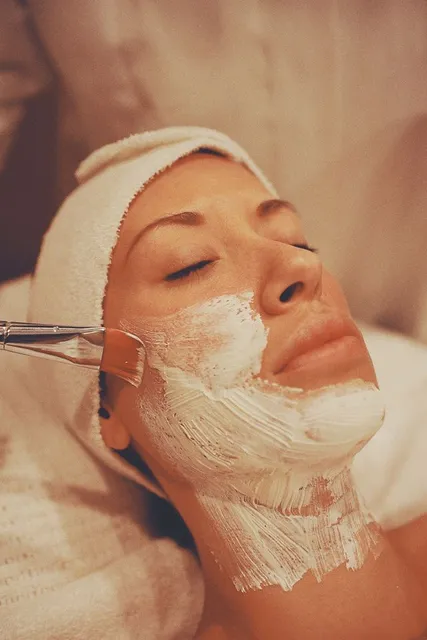
Many ideas about chemical peels come from older, stronger treatments or from dramatic images online. In current practice, most peels are superficial, cause little or no visible peeling, and are planned around your skin type and sensitivity. They do not permanently thin healthy skin, and they are not automatically unsafe for sensitive or darker skin. They do, however, carry real risks, and they are not the right choice for everyone.
Myth: a peel always means your face will peel off in sheets
Fact: How much you peel depends on the depth of the treatment. Superficial peels, which are the most common type, often cause only light flaking for a few days, or sometimes no visible peeling at all. Many people return to work the next day with mild pinkness.
Medium-depth peels are different. They usually do cause several days of redness, darkening and sheet-like peeling, and they need planned downtime. Deep peels cause much more. Knowing which type is being suggested helps set realistic expectations. Our article on superficial versus medium peels explains the differences.
Myth: if you do not peel, it did not work
Fact: Visible flaking is not a reliable measure of benefit. Light peels work by speeding up the shedding of surface cells, which can happen at a microscopic level without obvious flakes. Improvements in brightness, smoothness and clogged pores often build gradually over a series.
Chasing more peeling by asking for stronger treatments, or by adding harsh products at home, can increase irritation and the risk of dark marks without improving results.
Myth: peels thin your skin over time
Fact: Properly spaced peels do not permanently thin healthy skin. Peels temporarily remove part of the outermost layer, which is naturally replaced. With medium-depth peels, the healing process can actually encourage new collagen in the layer beneath.
What can harm the skin is over-exfoliation: peeling too often, layering strong acids, scrubs and retinoids, or ignoring signs of irritation. That can damage the skin barrier and leave it sensitive, red and reactive for a while. Our article on over-exfoliation and barrier repair explains how to recognise and recover from this.
Myth: peels are unsafe for sensitive skin
Fact: Sensitive skin needs more care, but it does not automatically rule out a peel. Gentler acids such as lactic or mandelic acid, lower strengths, shorter contact times and a slow start can make peels tolerable for many people with sensitive skin.
That said, some sensitivity points to a skin condition, such as rosacea, eczema or contact dermatitis. These need assessment, and peels may need to wait until the skin is calm, or may not be suitable. If your skin reacts to almost every product, a simpler routine may be a better first step than any peel.
Myth: peels cannot be used on darker skin
Fact: Superficial peels are commonly used in brown and Black skin when the acid, strength and preparation are chosen carefully. The main concern is post-inflammatory hyperpigmentation, meaning dark patches after irritation, so a cautious approach with skin priming and strict sun protection is important. Medium and deep peels carry more pigment risk in darker skin and are used selectively.
Myth: a stronger peel gives better results
Fact: A stronger peel gives a bigger effect, but also more downtime and more risk. For many concerns, a series of lighter peels gives a steadier, safer improvement. Stronger peels are better reserved for specific situations, after careful assessment. Results vary from person to person.
Myth: peels can fix any skin problem
Fact: Peels are useful for surface concerns: dullness, roughness, clogged pores, mild acne and some pigment. They do little for deep acne scars, sagging skin, volume loss or wrinkles caused by muscle movement. Acne that is moderate or severe usually needs medical treatment from a family doctor or dermatologist, and peels are an addition, not a replacement.
Myth: peels are only for summer prep
Fact: Many people find autumn and winter easier for peels, because healing skin is more sun-sensitive. Peels can be done year-round with daily sunscreen and sensible sun habits, but planning around strong sun is wise.
The facts on who should wait and the main risks
Peels are usually postponed if you have a sunburn, active cold sores or infection, broken or irritated skin, flaring eczema or psoriasis, recent oral isotretinoin, recent waxing or resurfacing in the area, or are pregnant or breastfeeding. A history of keloids or poor healing needs discussion first. If you take prescription medication, mention it rather than stopping it on your own.
Common side effects are stinging during treatment, then redness, tightness and flaking. Less common risks include dark or light patches, prolonged redness, cold sore flares, infection, allergic reactions and, mainly with stronger peels, scarring.
Myth: you can skip sunscreen once the peeling stops
Fact: Skin remains more sensitive to the sun for some time after a peel, even when it looks normal again. Daily broad-spectrum sunscreen helps protect the results and lowers the risk of dark patches. Sunscreen is part of the treatment, not an optional extra, and it matters on cloudy Cape Breton days too.
Myth: you should peel again as soon as your skin settles
Fact: Skin needs time to recover fully between peels. Superficial peels are usually spaced at least a couple of weeks apart, and stronger peels much longer. Repeating too soon raises the chance of irritation and barrier damage without speeding up results.
Frequently asked questions
Do peels hurt?
Most superficial peels cause tingling, warmth or stinging for a few minutes. Stronger peels are more uncomfortable, and comfort measures are discussed beforehand.
Will my skin become dependent on peels?
No. If you stop, your skin simply returns to its usual pattern of shedding and ageing over time.
Are drugstore peels the same?
No. Home products are milder, though they can still irritate if overused or combined with other actives.
If you are curious about chemical peels but unsure what to believe, a consultation at HealthPark Medical Aesthetics is a chance to ask questions, review your skin's needs and decide whether a peel, another approach or no treatment at all makes the most sense.
Keep reading

Body & skin
What Happens at a Skin Consultation
What to expect at a skin consultation: medical and skincare history, skin examination, setting priorities, discussing options including no treatment, and fees.
Read article
Body & skin
Mixing Skincare Actives: Which Combinations Irritate
Which skincare actives clash, such as retinoids with strong acids, how to split actives between morning and night, and how to layer without harming the barrier.
Read article
Body & skin
Microneedling for Acne Scars: What to Expect
Which acne scar types tend to respond to microneedling, the usual treatment series, combining it with other methods, and why improvement builds over months.
Read article