
Fotona laser
Laser for Lip Texture: A Non-Injectable Option
How gentle Er:YAG laser on the lip surface aims to modestly improve texture and fullness, who it may suit, how many sessions, evidence limits, and cold sore care.
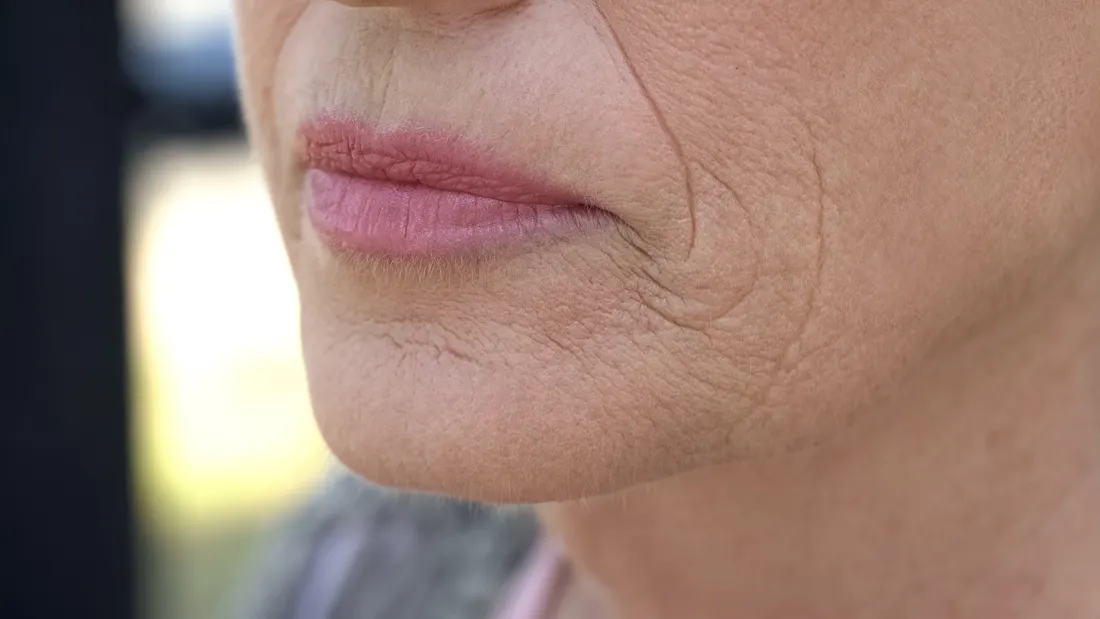
A gentle, non-ablative Er:YAG laser treatment of the lips aims to smooth surface texture and give a slightly fuller, more hydrated look without needles or filler. Any change is modest and gradual, the supporting research is limited, and results usually need maintenance. It may suit people who want a subtle refresh rather than added volume.
Why lips change texture
Lip skin is thin, has no oil glands and holds moisture poorly, which is why lips dry and crack so easily, especially in cold, windy weather. Over time, collagen in the lips decreases, the lip edge becomes less defined, fine vertical lines appear, and the surface can look flatter and more creased.
Sun exposure speeds these changes. Long-term sun damage to the lower lip can also cause a rough, scaly patch called actinic cheilitis, which is a precancerous condition that needs medical care rather than cosmetic treatment. Lip licking, smoking and dehydration add to dryness and lines.
How the laser treatment works
The Fotona system's Er:YAG wavelength (2940 nm) is strongly absorbed by water in tissue. In a lip treatment, it is typically used in a non-ablative or very lightly ablative way: short, gentle pulses heat the surface and the tissue just beneath without removing a significant layer. The idea is that this controlled warming stimulates collagen remodelling and improves surface smoothness.
Some protocols also treat the inside of the lip, where the mucosa is similar to the lining of the mouth. The procedure is usually done without injections; a numbing cream may be used. It generally takes less than half an hour.
What the evidence does and does not show
Laser lip treatment has been studied far less than lip filler or laser resurfacing of the face. The available reports are mostly small and short-term. They suggest some people notice smoother texture, a slightly plumper appearance and improved lip colour, but measurements of actual volume change are limited.
What can reasonably be expected:
- A subtle smoothing of fine surface lines and dryness
- A temporary plump look in the first day or so, partly from mild swelling
- Gradual, modest improvement over a series of sessions in some people
- No significant change in lip size, shape or symmetry
If your main goal is more volume, definition or correcting unevenness, hyaluronic acid filler or a lip flip is more predictable; see Lip Flip vs Lip Filler. For deeper vertical lines above the lip, see Vertical Lip Lines: What Injectables Can Do.
Who it may suit
This approach may be worth discussing if you:
- Want a subtle change and prefer to avoid injections
- Have mild dryness or fine surface lines
- Have had filler before and want to try a gentler option
- Understand the results are modest, gradual and not permanent
It is less likely to meet expectations if you want obvious added fullness or a change in lip shape.
Sessions and what to expect
A series of about two to four sessions, spaced roughly two to four weeks apart, is a common approach. Many people consider maintenance every several months if they like the result. Results vary from person to person.
During the session, you may feel warmth and a light prickling. Afterward, lips may look slightly swollen and feel warm or tight for several hours to a day. A bland lip balm helps. Mild peeling over the next few days is possible. Most people return to normal activities right away, avoiding very hot foods and strong lip products for a day.
Caring for your lips between sessions
Everyday habits have a large effect on lip texture, with or without laser. A fragrance-free balm applied often, a lip product with SPF when outdoors, drinking enough fluids, using a humidifier in dry winter months and avoiding lip licking all help keep the surface smoother. Gentle lip exfoliation is best kept to once a week at most, since lip skin is easily irritated. If you smoke, stopping helps both lip texture and healing after any treatment. Lip products with strong menthol or cinnamon can sting after laser and are best avoided for a few days after each session.
Small changes like these are worth trying first.
Cold sore precautions
Heat from laser can reactivate the herpes simplex virus in people who carry it, triggering a cold sore. If you have ever had cold sores, tell your clinician. Your physician may recommend a short preventive course of antiviral medicine before and after treatment. Treatment is postponed if you have an active cold sore or one starting. For more, see Cold Sores and Laser Resurfacing: Antiviral Precautions.
Who should not have it, or should wait
Laser lip treatment may not be suitable, or may need to be delayed, if you:
- Have an active cold sore, cracked or infected lips
- Have a rough, scaly, sore or non-healing spot on the lip that has not been assessed
- Are pregnant or breastfeeding
- Have recently taken isotretinoin, which dries and thins lip tissue
- Had lip filler very recently; timing is discussed at consultation
- Have a recent sunburn on the lips
Please tell your clinician about all medicines and do not stop any prescription on your own.
Risks and side effects
Common, short-lived effects include swelling, redness, dryness and peeling. Less common risks include cold sore outbreak, blistering, crusting, temporary colour change along the lip edge and, rarely, scarring. Settings are kept gentle because lip tissue is delicate.
Frequently asked questions
Does it hurt?
Most people describe warmth and a prickling feeling. A numbing cream can make it more comfortable.
Will it replace lip filler?
No. It addresses surface texture and may give a slight fullness, but it does not add structural volume the way filler does.
Can I combine it with filler?
Some people do, with the treatments spaced apart. The order and timing are best planned with your clinician.
Thinking it over
If you are curious whether a needle-free approach could help your lips, HealthPark Medical Aesthetics offers consultations to examine the lips, discuss realistic expectations and alternatives, and explain sessions, risks and fees before you decide.
Keep reading
Fotona laser
Skincare Before and After Laser: Prep and Recovery
Which skincare products to pause before laser, priming pigment-prone skin, barrier-repair care during recovery, and when it is usually safe to restart actives.
Read article
Fotona laser
Small Bumps Around the Eyes: Syringomas and Milia
How to tell syringomas from milia, why these harmless bumps around the eyes can recur, careful Er:YAG laser treatment, gentle alternatives and main risks.
Read article
Fotona laser
Underarm Laser Hair Removal: What to Know
Underarm laser hair removal explained: shaving and deodorant before treatment, effects on ingrown hairs and darkening, sweating myths and typical sessions.
Read article