
Body & skin
Summer Skin Care on the Cape Breton Coast
How sun reflected off water, wind, salt water, chlorine and insect bites affect skin in a Cape Breton summer, with a simple routine for beaches and trails.
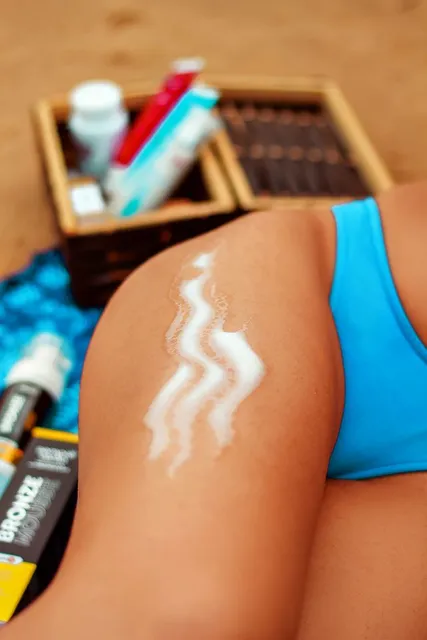
A Cape Breton summer can feel mild, but skin on the coast gets more ultraviolet (UV) exposure than many people expect, because water and sand reflect light and a cool breeze hides how much sun you are getting. A good summer routine is simple: sunscreen and shade first, a quick rinse after salt water or pool time, a light moisturiser, and sensible care for bites and scrapes. The rest is about paying attention to how your skin responds.
Why the coast changes your sun exposure
On a beach at Ingonish, Port Hood or Dominion, you are exposed to sunlight from two directions. Direct rays come from above, and reflected rays bounce back from water, wet sand and light-coloured rock. That reflected light reaches areas a hat does not cover, such as under the chin, the sides of the nose and the ears.
The ocean breeze adds another trap. Cool wind keeps you comfortable, so the warning sign of feeling hot never arrives. Fog and high cloud can also let a meaningful amount of UV through, so a grey morning on the Cabot Trail is not a reason to skip protection.
UV is generally strongest from late morning to mid-afternoon, roughly 11 a.m. to 3 p.m. in summer. Checking the daily UV index in your weather app is a practical habit. When it reaches 3 or higher, sun protection matters for most people.
Sunscreen that works on a beach day
For a day by the water, choose a broad-spectrum sunscreen of SPF 30 or higher labelled water-resistant. Water-resistant does not mean waterproof. Canadian labels state how long the product holds up while swimming or sweating, usually 40 or 80 minutes, and you need to reapply after that time and after towelling off.
- Apply about 15 minutes before going out, using enough to cover all exposed skin generously. Most people use far less than the amount tested on the label.
- Reapply at least every two hours, and more often after swimming.
- Use a lip balm with SPF. Lips burn easily and are a common site of sun damage.
- Do not forget the tops of feet, backs of hands, ears and a part line in your hair.
Sunscreen is one layer of protection, not the whole plan. Wide-brimmed hats, sunglasses with UV protection, tightly woven or UV-rated clothing and a beach umbrella all reduce exposure without needing reapplication. Our article on sunscreen year-round in Nova Scotia explains labels and application in more detail.
Salt water, chlorine and wind
Swimming in the ocean is one of the pleasures of a Cape Breton summer, but salt left to dry on skin can leave it feeling tight and itchy. Pool chlorine has a similar drying effect and can aggravate eczema in some people.
A short rinse with fresh water after swimming, followed by a fragrance-free moisturiser, is usually enough. You do not need a heavy winter cream in July. A lighter lotion or gel-cream tends to feel more comfortable in humid weather and is less likely to clog pores under sunscreen.
Wind on a boat, a headland trail or the deck of a ferry dries skin and lips even in summer. If you spend long hours on the water, a balm for lips and a moisturising sunscreen on the face help reduce chapping.
Bites, stings and plants on the trail
Black flies, mosquitoes and deer flies are part of hiking season. Most bites cause a small itchy bump that settles in a few days. A cool compress and an over-the-counter anti-itch product can help, and keeping nails short reduces the risk of scratching the skin open and causing infection.
Use insect repellent as directed on the label. If you need both repellent and sunscreen, apply sunscreen first and repellent on top. Combined sunscreen-repellent products are generally not recommended, because sunscreen needs frequent reapplication while repellent usually does not.
Ticks are increasingly common in Nova Scotia, including blacklegged ticks that can carry Lyme disease. After time in tall grass or woods, check your skin, scalp and children carefully. If you find an attached tick, remove it promptly with fine-tipped tweezers and contact your family doctor, a pharmacist or 811 for advice. A spreading red rash, fever or joint pains after a tick bite need medical attention.
Some plants, such as poison ivy, cause itchy, blistering rashes. Washing exposed skin soon after contact helps.
Heat rash, breakouts and sweat
Hot, humid days can bring heat rash, which appears as tiny red or clear bumps where sweat is trapped, often in skin folds or under tight clothing. Cooling down and wearing loose, breathable fabrics usually clears it.
Heavy sunscreen, sweat and friction from backpacks or life jackets can also trigger breakouts. Look for sunscreens labelled non-comedogenic, and wash gently at the end of the day to remove sunscreen and sweat. If you use retinoids or exfoliating acids, remember that they can make skin more sensitive to sun; you may prefer to use them at night only and be extra careful with protection. Some prescription medicines also increase sun sensitivity, so ask your pharmacist or physician whether yours do rather than changing them on your own.
A simple summer routine
- Morning: gentle cleanse or rinse, a light moisturiser if needed, then broad-spectrum sunscreen.
- Outdoors: hat, sunglasses, shade during peak hours, and reapplication every two hours or after swimming.
- After swimming: a freshwater rinse and a thin layer of moisturiser.
- Evening: cleanse to remove sunscreen and sweat, then moisturise. Treat bites and check for ticks after outdoor days.
Sunburn and when to see a doctor
If you do burn, get out of the sun, cool the skin with cool (not icy) water, apply a plain moisturiser or aloe gel, drink fluids and avoid further sun until it heals. Do not pop blisters. Seek medical care for widespread blistering, fever, chills, confusion or signs of infection.
Summer is also a good time to notice your skin. A mole or spot that is new, changing, bleeding or simply looks different from your others deserves a visit to your family doctor. Any cosmetic treatment of a spot waits until it has been properly assessed.
If you are planning in-clinic treatments, note that many laser treatments and stronger peels are best scheduled when sun exposure is lower, because tanned or recently sun-exposed skin has a higher risk of burns and pigment changes. Our article on choosing the right season for laser explains the timing.
Frequently asked questions
Do I need sunscreen if I tan easily?
Yes. A tan is a sign of UV injury, not protection. People with darker skin burn less readily but can still develop sun damage, dark spots and skin cancer.
Is a higher SPF always better at the beach?
Higher SPF offers somewhat more protection, but how much you apply and how often you reapply matter more than the number. SPF 30 used properly is a sound choice for most people.
Can I use last summer's sunscreen?
Check the expiry date. Sunscreen left in a hot car or beach bag can break down sooner, so replace it if it has changed in colour, smell or texture.
A Cape Breton summer is short, and enjoying it outdoors is good for body and mind. If you have questions about sun damage, pigment or planning skin treatments around the season, you are welcome to discuss them at a consultation with HealthPark Medical Aesthetics, where advice often starts with everyday protection rather than procedures.
Keep reading

Body & skin
What Happens at a Skin Consultation
What to expect at a skin consultation: medical and skincare history, skin examination, setting priorities, discussing options including no treatment, and fees.
Read article
Body & skin
Mixing Skincare Actives: Which Combinations Irritate
Which skincare actives clash, such as retinoids with strong acids, how to split actives between morning and night, and how to layer without harming the barrier.
Read article
Body & skin
Microneedling for Acne Scars: What to Expect
Which acne scar types tend to respond to microneedling, the usual treatment series, combining it with other methods, and why improvement builds over months.
Read article