
Body & skin
Superficial vs Medium-Depth Peels
How superficial and medium-depth chemical peels differ in depth, recovery, the concerns they suit and skin-tone considerations, plus who should avoid them.
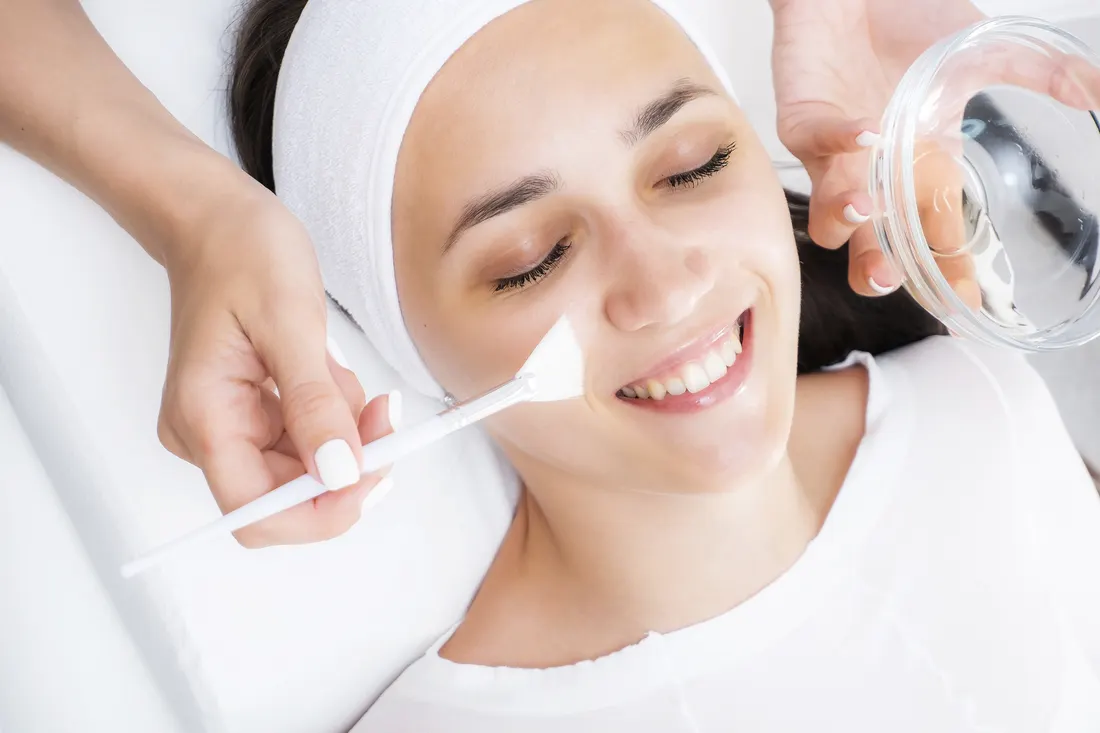
The main difference between a superficial and a medium-depth peel is how far into the skin the acid works. Superficial peels act on the outer layer and usually involve little recovery, while medium-depth peels reach into the upper dermis, treat a wider range of concerns and require about a week of visible healing. Neither is automatically the better choice; the right depth depends on your skin, your goals and your circumstances.
A quick look at skin layers
Skin has two main layers that matter here. The epidermis is the thin outer layer that renews itself constantly and contains the cells that make pigment. Below it sits the dermis, which holds collagen, elastin, blood vessels and the structures that give skin its strength.
A superficial peel stays within the epidermis. A medium-depth peel passes through the epidermis and into the upper part of the dermis, called the papillary dermis. Because the dermis is where collagen lives, reaching it allows for more change in texture and fine lines, but it also means more healing and more potential for complications.
Superficial peels
Superficial peels commonly use alpha hydroxy acids such as glycolic or lactic acid, salicylic acid, Jessner's solution or low-strength trichloroacetic acid (TCA). They are sometimes called "lunchtime" peels because many people return to normal activities the same day.
What they tend to help with
- Dullness and uneven texture
- Clogged pores and mild acne
- Light sun damage and some surface pigmentation
- Maintaining results between other treatments
What recovery looks like
Expect mild stinging during application, then some pinkness and tightness for a day or two. Light flaking may follow over several days. Because each session has a modest effect, superficial peels are usually done as a series a few weeks apart, and improvement builds gradually.
Medium-depth peels
Medium-depth peels are most often based on TCA at moderate strength, sometimes applied after a preparatory layer of Jessner's solution or glycolic acid to help the acid penetrate more evenly. They are a medical procedure that calls for careful assessment and skin preparation beforehand.
What they tend to help with
- More noticeable sun damage and rough, weathered texture
- Fine lines, particularly around the eyes and cheeks
- Some precancerous rough spots called actinic keratoses, once a doctor has assessed them
- Some types of uneven pigmentation, chosen carefully
- Shallow acne scarring, with modest expectations
What recovery looks like
The skin often feels hot and tight right after treatment. Over the next day or two it darkens and may look leathery or brownish before peeling in larger flakes, typically over about five to seven days. Swelling can be noticeable, especially around the eyes. Redness often lingers for several weeks after peeling ends, gradually fading. Most people plan a week away from work or social events. One medium-depth peel may be enough, or it may be repeated after several months.
Comparing the two side by side
- Depth: superficial peels stay in the epidermis; medium-depth peels reach the upper dermis.
- Recovery: a few days of mild flaking versus roughly a week of obvious peeling, followed by fading pinkness.
- Number of sessions: usually a series for superficial; often one or two for medium.
- Range of concerns: superficial peels suit surface issues; medium peels can address fine lines and more significant sun damage.
- Risk level: both carry risks, but pigment changes, infection and scarring are more likely with deeper peels.
Skin tone and peel depth
Skin tone is one of the most important factors in choosing a peel. People with medium to deeper skin tones have more active pigment cells, which can respond to inflammation by producing extra pigment. This can lead to dark patches, called post-inflammatory hyperpigmentation, that may take months to fade.
This does not mean peels are off-limits for darker skin. It does mean the choice of acid, strength and preparation needs extra care. Superficial peels with gentler agents, a longer preparation period and very consistent sun protection are often favoured, and medium-depth peels may be approached with more caution or avoided. A history of keloid scarring also points toward a conservative approach.
People with very fair skin that burns easily, a history of skin cancer or heavy sun damage should also be assessed carefully. Any new, changing or bleeding spot should be seen by a family doctor or dermatologist before cosmetic treatment of the area.
Who should not have a peel or should wait
Whatever the depth, peels are usually postponed or avoided in these situations:
- Pregnancy and breastfeeding
- Active cold sores, infection, open wounds or a skin condition flaring in the area
- Recent oral isotretinoin, with timing discussed with your doctor
- Recent sunburn, or travel planned with heavy sun exposure
- Recent laser, waxing or other procedures on the same skin
- A history of poor wound healing or abnormal scarring
Let your provider know about all medications and supplements, as well as any history of cold sores. Do not stop any prescribed medication on your own; if a medication is relevant, your provider can discuss it with you and, where needed, with the prescribing doctor.
Frequently asked questions
Can a series of superficial peels match one medium peel?
Not exactly. A series of light peels can improve tone and texture over time, but it does not reach the same depth, so it generally has less effect on fine lines and deeper sun damage. For some people, the gentler route is still the more sensible one.
Is a medium-depth peel very uncomfortable?
Most people feel strong heat and stinging for a few minutes during application, which eases as the peel is neutralised or completed. Cooling measures help. Discomfort afterward is usually described as tightness and sensitivity rather than sharp pain.
How should I prepare for a medium-depth peel?
Preparation often starts a few weeks ahead with daily broad-spectrum sunscreen and sometimes topical products to help skin heal evenly. You may be advised about preventive cold sore medication and asked to stop retinoids and exfoliants several days beforehand.
Choosing the right depth for you
The right depth for you is the one that matches your concern, skin type and how much recovery fits your life. Many people do well with superficial peels and good daily habits, while others benefit from a single, carefully planned medium-depth peel. For background on how peels work in general, see chemical peels explained, and for healing tips, read chemical peel aftercare. If you would like a personal assessment, HealthPark Medical Aesthetics can review your skin and talk through the options, including whether a peel is needed at all.
Keep reading

Body & skin
What Happens at a Skin Consultation
What to expect at a skin consultation: medical and skincare history, skin examination, setting priorities, discussing options including no treatment, and fees.
Read article
Body & skin
Mixing Skincare Actives: Which Combinations Irritate
Which skincare actives clash, such as retinoids with strong acids, how to split actives between morning and night, and how to layer without harming the barrier.
Read article
Body & skin
Microneedling for Acne Scars: What to Expect
Which acne scar types tend to respond to microneedling, the usual treatment series, combining it with other methods, and why improvement builds over months.
Read article