
Body & skin
Over-Exfoliation: Signs of a Damaged Skin Barrier and How to Repair It
Stinging, tightness and sudden sensitivity can mean an over-exfoliated skin barrier. Learn the signs, which products to pause and a simple repair routine.
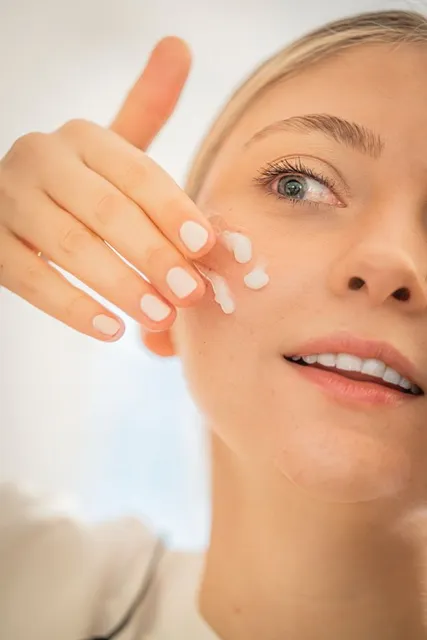
If your usual moisturiser suddenly stings, your face feels tight within minutes of washing and products you have used for months now cause redness, you may have over-exfoliated and weakened your skin barrier. The fix is usually to stop, not add: pause the actives, simplify your routine to a few bland products and give the skin a few weeks to rebuild. Most mild barrier damage recovers well with this approach.
What the skin barrier is
The outermost layer of skin, the stratum corneum, works a bit like a brick wall. Flattened, dead skin cells are the bricks, and a mix of fats, including ceramides, cholesterol and fatty acids, forms the mortar between them. Together they keep water in and irritants, allergens and microbes out.
Exfoliating removes some of those surface cells. Done gently and occasionally, that is fine, because the skin replaces them. When exfoliation outpaces repair, the wall develops gaps. Water escapes more easily, and ingredients that were once harmless can now reach the nerve endings and living cells underneath, which is why everything starts to sting.
Signs your barrier may be damaged
Barrier damage tends to come on over days to weeks, often after a new product, a higher strength or more frequent use. Common signs include:
- Stinging or burning when you apply products that never bothered you before, even plain moisturiser or water
- Tightness soon after cleansing, as if the skin is a size too small
- Redness, often patchy, across the cheeks, nose or around the mouth
- A shiny, almost polished or "glassy" look that is not the same as healthy glow
- Rough, flaky patches alongside areas that feel oily
- New breakouts or small bumps that appear as the skin becomes inflamed
- Sensitivity to wind, cold or heat that seems out of proportion
These signs can overlap with eczema, rosacea, perioral dermatitis and allergic contact dermatitis. If the problem does not improve once you simplify your routine, or you are not sure what you are looking at, your family doctor can help sort out the cause.
Common ways people over-exfoliate
Over-exfoliation is rarely about one product. It usually builds from several sources at once:
- Using an acid toner, an acid serum and a retinoid in the same routine
- Moving from weekly to nightly use of a peel pad because results seemed good at first
- Adding physical scrubs, cleansing brushes or rough washcloths to chemical exfoliants
- Buying high-strength home peels sold online
- Restarting actives too soon after a clinic peel, laser or microneedling
- Combining prescription acne treatments with over-the-counter acids
Cape Breton winters can add to the problem. Cold, windy air outdoors and dry indoor heat both pull moisture from the skin, so a routine that was comfortable in August can be too much by January.
Step one: pause the actives
The first and most important step is to stop the ingredients that remove or stress the outer layer. For most people that means temporarily pausing:
- Alpha and beta hydroxy acids, including glycolic, lactic and salicylic acid
- Over-the-counter retinol and retinal
- Scrubs, brushes and exfoliating cloths
- High-strength vitamin C and other acidic serums
- Fragranced products, toners containing alcohol and essential oils
If you use a prescription cream, such as tretinoin, adapalene or a rosacea or acne medication, do not simply stop it on your own. Contact the prescriber, explain what is happening and ask whether to reduce or pause it while your skin recovers.
Step two: a simple repair routine
A recovery routine should be short and boring. The goal is to clean without stripping, replace lost moisture and protect from the sun while the barrier rebuilds.
- Cleanse gently. Use lukewarm water and a mild, fragrance-free, non-foaming or low-foaming cleanser, once a day if your skin is very dry. In the morning, a rinse with water may be enough.
- Moisturise generously. Choose a fragrance-free cream that contains barrier-type ingredients such as ceramides, cholesterol, fatty acids, glycerin or a small amount of petrolatum. Apply it to slightly damp skin.
- Seal very dry areas. A thin layer of petroleum jelly over the moisturiser at night can help on especially raw patches, as long as you are not prone to clogged pores in that area.
- Protect from the sun. Use a broad-spectrum sunscreen of SPF 30 or more each morning. Mineral sunscreens with zinc oxide are often better tolerated on irritated skin.
Pat skin dry rather than rubbing, avoid very hot showers on the face and resist the urge to test new products during this time.
How long recovery takes and how to restart
Many people notice the stinging ease within one to two weeks, though full recovery can take a month or more, depending on how much damage there was. Wait until skin feels comfortable with your basic routine for at least a week or two before reintroducing anything.
When you do restart, bring back one active at a time, at a lower strength or frequency than before, and give each a couple of weeks before adding another. Many people find they need far less exfoliation than they thought. A retinoid two or three nights a week, or an acid once or twice a week, is enough for a lot of skin types. Our article on building a gentle routine for sensitive skin has more on introducing products slowly.
When to see a doctor
Book an appointment with your family doctor if you notice blistering, oozing, crusting, swelling or skin that is getting worse despite stopping actives. A rash that spreads beyond where products were applied, intense itching or signs of infection also need assessment. These can suggest allergic contact dermatitis or another skin condition that may need prescription treatment.
If you are planning a peel, laser or microneedling, let your provider know about any recent barrier damage. Treating skin that has not recovered raises the risk of irritation, prolonged redness and dark marks, so the session is usually postponed until the skin is calm.
Frequently asked questions
Can I wear makeup while my barrier heals?
Light, fragrance-free makeup is usually fine if it does not sting. Remove it gently at night with a mild cleanser rather than wipes or scrubbing.
Will a "barrier repair" serum speed things up?
Some products with ceramides or similar ingredients may help, but an expensive serum is not required. A plain, well-formulated moisturiser does most of the work, and adding many new products at once can make it harder to tell what is irritating you.
Is my skin "purging" or damaged?
Purging refers to a temporary increase in breakouts in acne-prone areas after starting a retinoid or acid. Widespread stinging, tightness and redness are not purging and point to irritation.
Getting help with your routine
A damaged barrier is common and usually temporary, and it is a useful reminder that more products are not always better. If you would like help reviewing what you use and planning a gentler routine, or you are wondering whether your skin is ready for a treatment, HealthPark Medical Aesthetics can go through it with you and suggest seeing your family doctor where a medical cause is possible.
Keep reading

Body & skin
What Happens at a Skin Consultation
What to expect at a skin consultation: medical and skincare history, skin examination, setting priorities, discussing options including no treatment, and fees.
Read article
Body & skin
Mixing Skincare Actives: Which Combinations Irritate
Which skincare actives clash, such as retinoids with strong acids, how to split actives between morning and night, and how to layer without harming the barrier.
Read article
Body & skin
Microneedling for Acne Scars: What to Expect
Which acne scar types tend to respond to microneedling, the usual treatment series, combining it with other methods, and why improvement builds over months.
Read article