
Body & skin
Skin Care for Darker Skin Tones: Pigment and Protection
Common concerns in darker skin such as uneven tone and dark marks, gentle ingredients, why daily sunscreen matters, and how to choose in-clinic treatments safely.
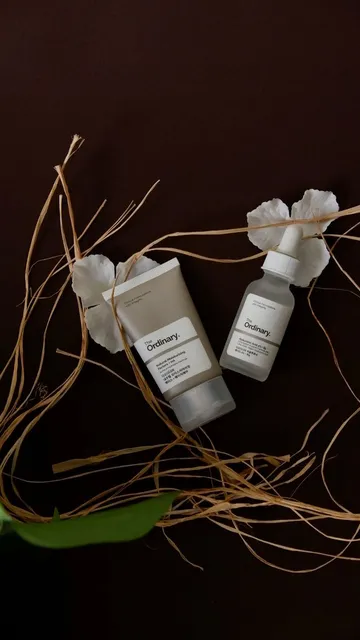
Darker skin has more active pigment-producing cells, which offers some natural protection from sunburn but also means skin is more likely to develop dark marks after any irritation, injury or inflammation. Good care for darker skin tones focuses on preventing those marks: treating acne and irritation early, choosing gentle products, wearing sunscreen daily and approaching in-clinic treatments with care. Uneven tone usually improves with patience and consistency.
What makes darker skin different
All skin contains roughly the same number of pigment cells, called melanocytes. In darker skin, these cells produce more melanin and package it differently, which gives deeper colour and more built-in UV protection. On the Fitzpatrick scale, darker skin tones are usually types IV to VI. Our article on the Fitzpatrick skin types explains the scale.
Those reactive pigment cells respond strongly to triggers. A pimple, a scratch, a burn from a harsh product or a rash can leave a dark spot that lasts months. This is called post-inflammatory hyperpigmentation, and it is one of the most common reasons people with darker skin seek help. Some people also develop light patches after injury, which is known as hypopigmentation.
Darker skin is also more prone to certain conditions, including melasma, keloid scars, razor bumps and dark patches on the neck, underarms or inner thighs. Some of these can signal an underlying medical issue, as described below.
Common concerns
- Dark marks after acne: often more bothersome than the acne itself, and can take many months to fade.
- Melasma: symmetrical brown or grey-brown patches on the cheeks, forehead or upper lip, influenced by sun, visible light and hormones.
- Uneven tone: a mix of darker and lighter areas, sometimes around the mouth or eyes.
- Razor bumps and ingrown hairs: common in curly hair, and can leave dark marks.
- Keloids: raised, firm scars that grow beyond the original wound, more common in some people of African, Asian and Indigenous descent.
- Dryness and ashiness: dry skin can look grey or dull on darker tones and benefits from regular moisturising.
Gentle is the rule
Because irritation itself can trigger new pigment, the approach for darker skin is to aim for steady, gentle improvement rather than aggressive treatment.
- Choose a mild, non-stripping cleanser and avoid scrubs with rough particles.
- Moisturise daily with a fragrance-free product to protect the barrier.
- Introduce one active ingredient at a time and increase slowly.
- Stop and rest the skin if a product stings, burns or causes redness that lasts.
- Avoid picking at spots or ingrown hairs, as this deepens marks.
Ingredients that may help with uneven tone
Several ingredients have reasonable evidence for fading dark marks when used consistently over months:
- Azelaic acid calms acne and redness and reduces pigment, and is usually well tolerated.
- Niacinamide may reduce the transfer of pigment to the skin's surface and supports the barrier.
- Retinoids speed up cell turnover and help acne and marks, but start slowly because irritation can backfire.
- Vitamin C serums offer antioxidant protection and may brighten tone modestly.
- Gentle acids such as low-strength lactic or mandelic acid can help, used sparingly.
Stronger lightening agents, such as hydroquinone, should only be used under medical guidance and for limited periods. Avoid unregulated "skin whitening" creams sold online or abroad, which may contain mercury or high-strength steroids that can seriously harm skin and health.
Why sunscreen still matters
Darker skin burns less easily, but sun exposure still darkens marks, worsens melasma and contributes to ageing and skin cancer. Skin cancer is less common in darker skin, but it is often found later, sometimes on the palms, soles or under nails.
A broad-spectrum sunscreen of SPF 30 or higher every day makes other pigment treatments work better. Many people with darker skin dislike mineral sunscreens that leave a white or purple cast. Tinted sunscreens, which use iron oxides, can blend better and also help block visible light, which plays a role in melasma.
Choosing in-clinic treatments carefully
People with darker skin can safely have many aesthetic treatments, but choice of treatment, settings and preparation matter more. The main risks are new dark marks, light patches, burns and, in those prone to them, keloid scars.
- Chemical peels: superficial peels can be suitable, often starting at low strength. Deeper peels carry higher risk.
- Microneedling: generally considered lower risk for pigment changes than many lasers, though inflammation can still darken skin.
- Lasers: some laser types are safer for darker skin than others. Wavelength, settings and test spots matter, and some resurfacing treatments may not be appropriate.
Pre-treating skin with sunscreen and pigment-calming products for several weeks is often recommended. People who should wait include those with a recent tan, active infection or eczema in the area, recent isotretinoin use, or who are pregnant. A personal or family history of keloids should always be mentioned.
When to see your family doctor
Velvety dark patches on the neck, underarms or groin can be a sign of insulin resistance, which is linked to type 2 diabetes and polycystic ovary syndrome. New light or white patches can have several causes, including vitiligo. A dark streak under a nail, or a changing spot on the palm or sole, should be checked promptly. These need a medical assessment before cosmetic care.
Frequently asked questions
How long do dark marks take to fade?
Often several months, sometimes a year or more. Daily sunscreen and treating the underlying acne or irritation help most.
Can laser hair removal be done on darker skin?
Often yes, with suitable laser types and settings. Our article on laser hair removal and skin types explains more.
Should I avoid hair removal to prevent dark marks?
Not necessarily. Shaving with a sharp blade in the direction of hair growth, or discussing other hair-removal options, can reduce razor bumps and the marks they leave.
Is shea butter or cocoa butter good for dark marks?
They moisturise well, but there is no good evidence they fade pigment.
If uneven tone or dark marks are bothering you, a consultation at HealthPark Medical Aesthetics can review your skin and history and talk through options, including a gentle home routine, which is often the safest place to start.
Keep reading

Body & skin
What Happens at a Skin Consultation
What to expect at a skin consultation: medical and skincare history, skin examination, setting priorities, discussing options including no treatment, and fees.
Read article
Body & skin
Mixing Skincare Actives: Which Combinations Irritate
Which skincare actives clash, such as retinoids with strong acids, how to split actives between morning and night, and how to layer without harming the barrier.
Read article
Body & skin
Microneedling for Acne Scars: What to Expect
Which acne scar types tend to respond to microneedling, the usual treatment series, combining it with other methods, and why improvement builds over months.
Read article