
Body & skin
How to Prepare Your Skin for a Chemical Peel
Skin priming in the weeks before a peel, which products to stop and when, sun avoidance, cold sore history, and a simple routine for the day of treatment.
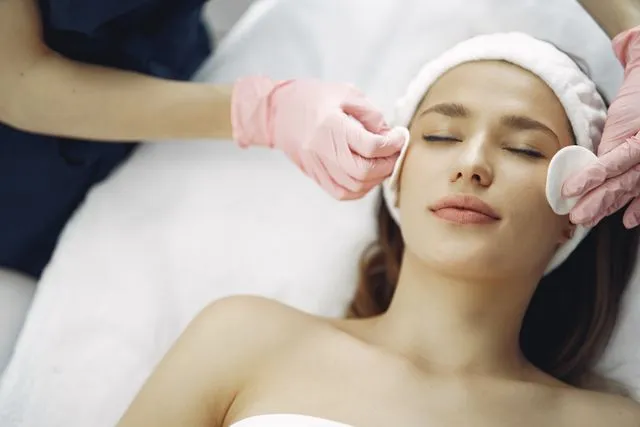
Preparing for a chemical peel usually starts two to six weeks ahead, with daily sunscreen and sometimes a priming routine to help the skin respond evenly. In the last few days, you pause strong products like retinoids and exfoliating acids, avoid sun and waxing, and let the clinic know about cold sores, medications and recent treatments. On the day itself, you arrive with clean, calm, product-free skin.
Why preparation changes the outcome
A peel is a controlled injury to the skin's surface. How evenly the acid penetrates, how much inflammation follows, and how well the skin heals all depend partly on the state of the skin beforehand. Skin that is sunburned, irritated or freshly waxed absorbs acid unevenly and is more likely to sting, blister or develop dark patches.
Good preparation is not complicated. It mostly means building a few steady habits and avoiding a short list of things in the final days. Your exact plan will depend on the type of peel, your skin type and your goals. For background on how peels work, see chemical peels explained.
Two to six weeks before: priming
Priming means using a consistent routine that prepares the skin to respond evenly. It is especially helpful for medium-depth peels, for people with darker skin tones, and for anyone prone to dark marks. A priming routine might include:
- Daily broad-spectrum sunscreen, SPF 30 or higher, applied every morning and reapplied when outdoors.
- A retinoid, such as retinol or a prescription retinoid, introduced gradually to encourage more even cell turnover. This is stopped a few days before the peel.
- Pigment-calming ingredients, such as azelaic acid or niacinamide, or in some cases a prescription product, chosen with your physician.
- A gentle cleanser and plain moisturiser to keep the skin barrier healthy.
Not everyone needs every step, and a light peel may need little priming at all. The idea is to arrive with skin that is used to a routine, not overloaded with new products. Starting several new actives at once just before a peel often causes more irritation, not less.
Sun and tanning
Sun-exposed, tanned or burned skin is more likely to react unpredictably to a peel. In the weeks beforehand:
- Avoid sunbathing and tanning beds.
- Wear a hat and sunscreen for outdoor work and activities.
- Reschedule if you have a sunburn or have just returned from a sunny holiday with a noticeable tan.
- Avoid self-tanning products for about a week or two before, since they can make results uneven and mask how the skin is reacting.
Many people in Cape Breton find autumn and winter the easiest seasons for a peel series, because there is less strong sun to manage during healing. Peels can be done at other times of year with careful protection.
The final week: what to pause
Several products and treatments make the skin more sensitive and are usually stopped before a peel. Typical timing is:
- Retinoids (retinol, tretinoin, adapalene and others): often paused about three to seven days before, depending on the peel.
- Exfoliating acids and scrubs: paused for several days beforehand.
- Benzoyl peroxide and other drying acne products: often paused a few days before.
- Waxing, threading, depilatory creams and electrolysis in the area: usually avoided for about a week beforehand.
- Laser, microneedling or other resurfacing: generally spaced at least a couple of weeks from a peel, sometimes longer.
Shaving the face is usually fine until a day or two before, but nicks and razor irritation can sting, so some people skip it the day before. If you use a prescription product, ask the clinic and your prescribing physician how to handle it rather than stopping it on your own.
Tell the clinic about your health history
Some details make a real difference to safety:
- Cold sores. Peels around the mouth can trigger a flare. If you have had cold sores, your physician may suggest preventive antiviral medication starting before the peel.
- Isotretinoin. Current or recent use usually means waiting; your physician will advise on timing.
- Pregnancy or breastfeeding. Many peel ingredients are avoided as a precaution during this time.
- Skin conditions. Eczema, psoriasis, rosacea or dermatitis that is flaring is a reason to postpone.
- Keloids or poor healing. These change what depth of peel is reasonable.
- Medications and allergies. Include photosensitising medications and any allergy to aspirin, since salicylic acid is related.
Our article on photosensitising medications describes medicines that can make the skin more sun-sensitive.
The day of your peel
Keep things simple on the day:
- Arrive with clean skin and no makeup, or be ready to remove it.
- Skip active products in the morning; a plain moisturiser is usually fine.
- Avoid a hard workout just before, since flushed, sweaty skin can react more.
- Bring a wide-brimmed hat and plan to go home rather than out in the sun.
- Make sure your aftercare products are ready at home: a mild cleanser, a bland moisturiser and sunscreen.
Mild stinging or warmth during a peel is normal. Let the clinic know right away if it feels like burning that is more than you were told to expect.
Planning the days after
Preparation also means planning recovery. Look at your calendar for the week after a peel and avoid scheduling photos, outdoor events or long days in the sun. Keep your aftercare simple and ready at home so you are not tempted to reach for strong products while the skin is healing. Knowing what is normal ahead of time, such as tightness and light flaking, makes it easier to leave the skin alone.
Frequently asked questions
Do I need to prime for a light peel?
Often only lightly, mainly with daily sunscreen and a gentle routine. Priming is more important for stronger peels and pigment-prone skin.
What if I forgot to stop my retinoid?
Tell the clinic. Your peel may be adjusted, postponed, or a milder option used.
Can I have a peel before a big event?
Plan ahead. Even light peels can cause redness and flaking for several days, so allow at least a week or two, and longer for stronger peels.
If you are thinking about a peel and want a plan that suits your skin and schedule, a consultation at HealthPark Medical Aesthetics can map out preparation, timing and whether a peel is the right step at all.
Keep reading

Body & skin
What Happens at a Skin Consultation
What to expect at a skin consultation: medical and skincare history, skin examination, setting priorities, discussing options including no treatment, and fees.
Read article
Body & skin
Mixing Skincare Actives: Which Combinations Irritate
Which skincare actives clash, such as retinoids with strong acids, how to split actives between morning and night, and how to layer without harming the barrier.
Read article
Body & skin
Microneedling for Acne Scars: What to Expect
Which acne scar types tend to respond to microneedling, the usual treatment series, combining it with other methods, and why improvement builds over months.
Read article