
Fotona laser
Enlarged Oil Glands (Sebaceous Hyperplasia) and Laser
What sebaceous hyperplasia bumps are, how they differ from basal cell skin cancer, how Er:YAG laser can flatten them, healing, risks, and why new ones appear.
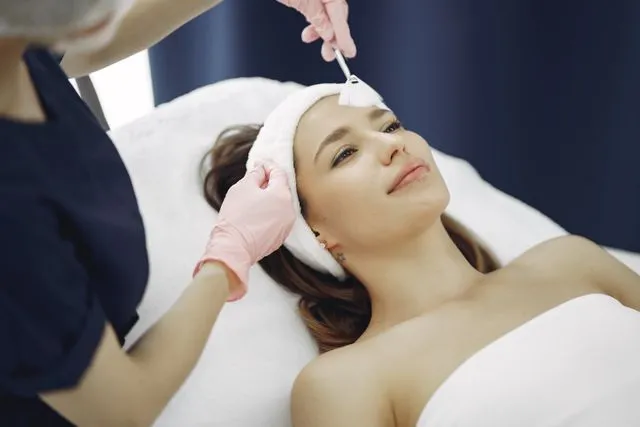
Sebaceous hyperplasia is a common, harmless condition in which oil glands enlarge into small yellowish or skin-coloured bumps, usually on the forehead, nose and cheeks. Er:YAG laser can flatten many of them, often in one or two sessions. Because one type of skin cancer can look similar, the bumps should be examined before treatment, and new ones may form over time.
What these bumps are
Every hair follicle on the face has an oil gland attached to it. In sebaceous hyperplasia, the gland grows larger than normal and pushes up the skin above it. The result is a soft, slightly raised bump, usually two to five millimetres across, that is yellow, cream or flesh-coloured. Many have a tiny central dip, like a small doughnut, and close inspection may show a few fine blood vessels around the edge.
They are most common from middle age onward and are seen in all genders. Contributing factors include natural shifts in hormones with age, genetics, long-term sun exposure and oily skin. People who have had organ transplants and take certain immune-suppressing medicines are more likely to develop many of them. The bumps are not contagious and are not caused by poor hygiene.
How they differ from whiteheads and milia
Unlike a whitehead, sebaceous hyperplasia does not come to a head or clear up after a few days, and squeezing it does nothing except irritate the skin. Milia are tiny, firm, pearly white cysts that sit just under the surface. These differences matter because each is treated differently.
Distinguishing them from skin cancer
The most important look-alike is basal cell carcinoma, the most common skin cancer. An early basal cell carcinoma can appear as a small, shiny, pearly bump with fine vessels on its surface, much like sebaceous hyperplasia. Clues that point toward basal cell carcinoma include:
- A single bump that keeps growing over months
- A shiny or translucent surface rather than a yellowish one
- Bleeding, crusting or a sore that does not heal
- A spot that looks different from your other bumps
A magnifying light called a dermatoscope often helps tell them apart. If there is any doubt, your family doctor or a dermatologist may suggest a small biopsy before cosmetic treatment. Laser should never be used on an uncertain lesion, because it can destroy the tissue needed for diagnosis.
How Er:YAG laser treats sebaceous hyperplasia
The Fotona system's Er:YAG wavelength (2940 nm) is absorbed by water in tissue and removes it in very thin, controlled layers. For sebaceous hyperplasia, the laser is used to carefully vaporise the raised part of each bump and part of the enlarged gland beneath, leaving the surrounding skin largely untouched. Because the energy is precise, the depth can be adjusted to each lesion.
A numbing cream or a small injection of local anaesthetic is usually used. Eye protection is worn throughout. Treating a handful of bumps generally takes only a few minutes.
Other options include electrocautery, cryotherapy, light chemical treatment, photodynamic therapy and, for people with many lesions, prescription medicines discussed with a physician. Each has its own balance of results and risks. Some people combine treatment with a topical retinoid at home, which may help reduce new lesions.
Healing and results
Each treated bump becomes a small, shallow, pink spot that forms a thin crust within a day or two. The crusts usually fall away within about a week, leaving pink skin that fades over the following weeks. Keep the area clean and lightly moisturised, avoid picking, and use daily sunscreen to lower the chance of darker marks.
Many bumps flatten noticeably after one session. Larger or deeper ones may need a second treatment after several weeks. Results vary from person to person.
Planning around your schedule
Because small crusts are visible for about a week, many people book treatment at a time when a few days of mild marks will not matter, such as before a quiet week at home. Makeup is usually avoided on the treated spots until the crusts have fallen off. Treating in fall or winter, when sun exposure is lower, can also reduce the chance of darker marks during healing. If you have many bumps, they may be treated in batches rather than all at once.
Recurrence
Because the tendency to form enlarged glands remains, treated bumps can slowly return, and new ones commonly appear nearby. Many people choose touch-ups every year or two. This is expected and is not a sign that treatment failed.
Who should not have it, or should wait
Laser may not be suitable, or may need to be postponed, if you:
- Have a bump that has not been confidently diagnosed
- Are pregnant
- Have an active cold sore, rash or infection on the face
- Have a tan or recent sunburn
- Have recently taken isotretinoin or tend to form keloid scars
- Take medicines that increase light sensitivity
If you take a blood thinner or immune-suppressing medicine, mention it at your consultation; do not stop any prescription on your own.
Risks and side effects
Common effects include redness, crusting and mild swelling. Possible risks include small depressed scars, prolonged pinkness, temporary or lasting darker or lighter spots (more likely in darker skin tones), and incomplete removal. Treating conservatively and adding a second session if needed tends to be safer than removing too much at once.
Frequently asked questions
Can I squeeze them out?
No. There is nothing to squeeze, and trying can cause redness, bleeding and scarring.
Are these related to acne?
Both involve oil glands, but sebaceous hyperplasia is a different condition. See Laser for Active Acne if breakouts are your main concern.
Can skincare prevent new bumps?
A retinoid and daily sunscreen may help reduce new lesions for some people, but they do not reliably prevent them.
Next steps
If you have small bumps on your face that you would like assessed, HealthPark Medical Aesthetics can offer a consultation to examine them, refer anything uncertain back to your doctor, and explain laser and other options along with healing, risks and fees before any treatment.
Keep reading

Fotona laser
Skincare Before and After Laser: Prep and Recovery
Which skincare products to pause before laser, priming pigment-prone skin, barrier-repair care during recovery, and when it is usually safe to restart actives.
Read article
Fotona laser
Small Bumps Around the Eyes: Syringomas and Milia
How to tell syringomas from milia, why these harmless bumps around the eyes can recur, careful Er:YAG laser treatment, gentle alternatives and main risks.
Read article
Fotona laser
Underarm Laser Hair Removal: What to Know
Underarm laser hair removal explained: shaving and deodorant before treatment, effects on ingrown hairs and darkening, sweating myths and typical sessions.
Read article