
Body & skin
Microneedling Aftercare: The First Week
A day-by-day guide to the first week after microneedling: redness, dryness, cleansing, moisturising, makeup, exercise, sun protection and restarting actives.
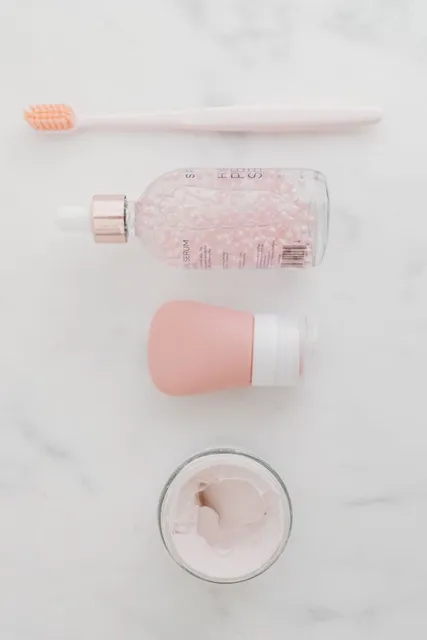
In the first week after microneedling, most people go through a predictable pattern: redness and warmth for a day or two, then tightness and dryness, then light flaking that settles by about day five to seven. Good aftercare during this week is simple and gentle. The aim is to protect the tiny channels while they close, keep the skin calm, and avoid anything that could cause irritation, infection or dark marks.
The first 24 hours
Right after treatment, the skin usually looks pink to red and may feel warm, tight or slightly swollen, a bit like a mild to moderate sunburn. Pinpoint spots of dried blood can be present over treated areas. This is expected.
During this window the skin barrier is at its most open, so the focus is on keeping things clean and leaving the skin alone:
- Wash your hands before touching your face, and avoid touching it as much as possible.
- Follow the specific instructions you were given about when to first rinse your face. Many clinics suggest waiting several hours, then using lukewarm water and a mild cleanser.
- Apply only the post-treatment product recommended to you, or a plain, fragrance-free moisturiser.
- Skip makeup for about 24 hours, or as advised.
- Sleep on a clean pillowcase, and consider sleeping slightly elevated if you are puffy.
Avoid strenuous exercise, saunas, hot tubs and swimming pools for at least a day or two. Sweat, heat and chlorinated water can all irritate freshly treated skin and raise the risk of infection.
Days 2 and 3: redness fades, tightness builds
By the second day, redness usually starts to ease, though it may linger longer after deeper treatment or in sensitive areas. Many people notice the skin feels tight, a little rough, or like it has been windburned. Mild swelling, particularly around the eyes in the morning, can come and go.
Keep your routine short. Cleanse gently once or twice a day with your fingertips, not a cloth, brush or sponge. Pat dry with a clean towel. Moisturise generously and as often as the skin feels dry. A bland, fragrance-free cream or a product containing ingredients like ceramides or hyaluronic acid is usually well tolerated.
If you were cleared to resume makeup, a clean, gentle mineral formula is generally preferred. Use freshly washed brushes or sponges so you are not carrying bacteria onto healing skin.
Days 4 to 7: dryness and flaking
Light flaking or fine peeling often appears around day three or four and tends to be gone within about a week. It is usually much less dramatic than the peeling after a stronger chemical peel. Some people barely notice it.
Resist the urge to pick, scrub or peel off flakes. Pulling them away early can expose skin that is not ready and increase the risk of irritation and pigment change, especially in darker skin tones. Let flakes shed on their own, and keep moisturising.
By the end of the first week, most people feel close to normal. The skin may still be a little more sensitive than usual. Visible improvement in texture comes later, because collagen remodelling takes weeks to months.
Sun protection all week, and beyond
Freshly treated skin is more prone to burning and to post-inflammatory hyperpigmentation. For the first few days, the safest plan is to stay out of direct sun as much as you can and wear a wide-brimmed hat when outdoors. Ask when you can start applying sunscreen; many people are advised to begin once the skin has settled, often within a day or two.
From then on, use a broad-spectrum sunscreen with SPF 30 or higher every day, including overcast days. Mineral sunscreens containing zinc oxide or titanium dioxide are often better tolerated on sensitive, recently treated skin. Reapply if you are outside for long periods. Our guide to sunscreen in Nova Scotia covers practical choices for our climate.
When to restart actives and other treatments
Strong active ingredients can sting and irritate skin that is still healing. A common, conservative approach is to wait until the skin feels completely back to normal, often around five to seven days, before restarting:
- Retinoids, including retinol and prescription tretinoin
- Exfoliating acids such as glycolic, lactic or salicylic acid
- Vitamin C serums with a low pH
- Benzoyl peroxide and other acne products
- Physical scrubs and cleansing brushes
Reintroduce one product at a time, starting with a few nights a week, so that if irritation appears you can tell what caused it. If you use a prescription product for acne or rosacea, ask your physician when to restart rather than adjusting it on your own. Our article on retinoids explains why these ingredients can be irritating.
Waxing, threading, laser, peels or facials in the treated area are usually postponed for at least a couple of weeks, depending on your plan.
Warning signs: when to call
Most aftercare questions are about normal healing, but some signs should prompt a call to the clinic or medical attention:
- Increasing pain, heat or swelling after the first two days rather than improvement
- Yellow crusting, pus, or spreading redness, which can suggest infection
- Clusters of small blisters or tingling, especially if you have had cold sores before
- An itchy rash or hives, which can suggest a reaction to a product
- Dark patches developing over the following weeks
- Fever or feeling unwell
If you have a history of cold sores, mention it before treatment. Your physician may suggest preventive medication around the treatment date.
Frequently asked questions
Can I wash my face the night of treatment?
Usually yes, gently, once the recommended waiting time has passed. Use lukewarm water, a mild cleanser and your fingertips only.
When can I go back to the gym?
Many people return to light activity after a day and heavier, sweaty workouts after about 48 to 72 hours. Wipe sweat gently and cleanse afterwards.
Is it normal for my skin to look worse before it looks better?
A few days of redness, dryness and flaking are normal. Lasting changes in texture develop slowly over the following months, and results vary from person to person.
Can I use my usual moisturiser?
If it is fragrance-free and free of acids or retinoids, it is often fine. When in doubt, use the simplest product you have.
If you are planning microneedling, or have questions about your own healing, the team at HealthPark Medical Aesthetics can talk you through aftercare that suits your skin. A consultation is a chance to plan timing around work, events and the seasons.
Keep reading

Body & skin
What Happens at a Skin Consultation
What to expect at a skin consultation: medical and skincare history, skin examination, setting priorities, discussing options including no treatment, and fees.
Read article
Body & skin
Mixing Skincare Actives: Which Combinations Irritate
Which skincare actives clash, such as retinoids with strong acids, how to split actives between morning and night, and how to layer without harming the barrier.
Read article
Body & skin
Microneedling for Acne Scars: What to Expect
Which acne scar types tend to respond to microneedling, the usual treatment series, combining it with other methods, and why improvement builds over months.
Read article