
Body & skin
Menopause and Your Skin: Dryness, Laxity and Care
How falling estrogen affects collagen, hydration and sensitivity around menopause, how to adjust your skin routine, and which treatment options to discuss.
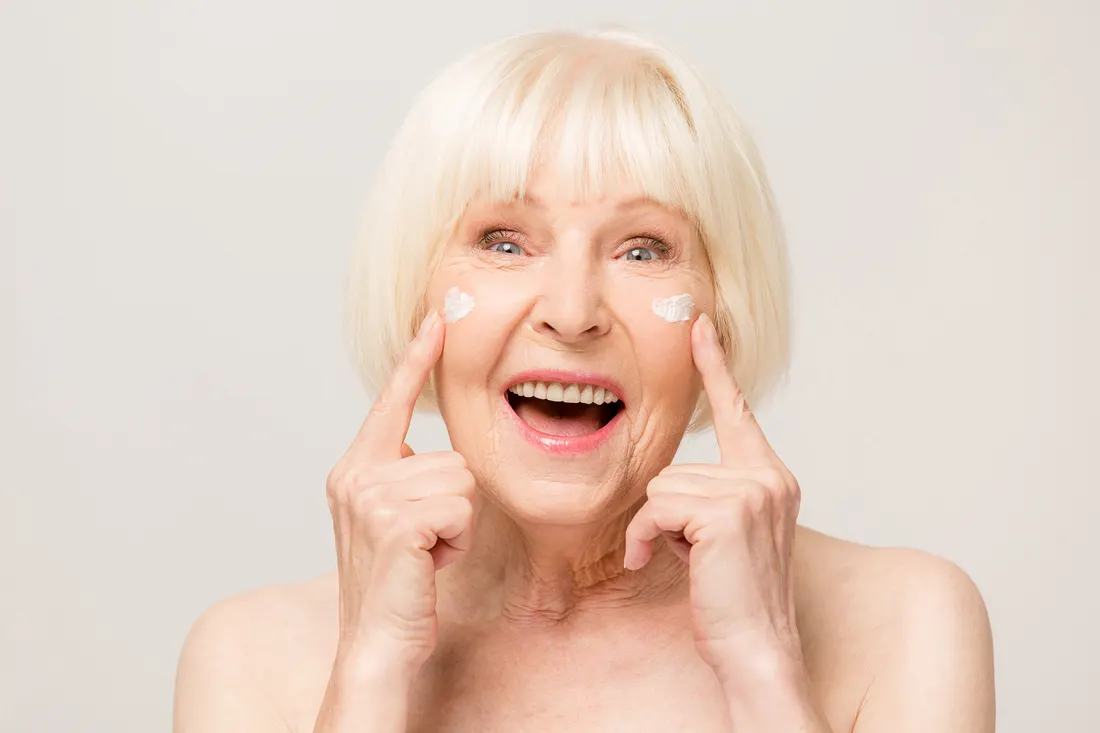
Menopause often brings noticeable skin changes: drier, thinner skin, a loss of firmness, more sensitivity and sometimes adult breakouts. These shifts are largely driven by falling estrogen, which affects collagen, oil production and the skin's ability to hold water. A gentler, more moisturising routine helps most people, and some in-clinic treatments may be worth discussing once you know what you want to change.
What estrogen does for skin
Skin has estrogen receptors, and estrogen supports several functions that keep it supple. It helps maintain collagen, encourages the production of hyaluronic acid and other water-holding molecules, supports oil glands and contributes to blood flow and wound healing.
Through perimenopause and after the final period, estrogen levels drop. Studies suggest that skin collagen declines most quickly in the first several years after menopause, after which the loss continues more slowly. The changes vary widely between people, and sun exposure, smoking, genetics and general health all shape how much you notice.
Common changes you may notice
- Dryness and tightness, as oil production falls and the skin barrier holds less moisture
- Thinner, more fragile skin that bruises or tears more easily, especially on the hands and forearms
- Loss of firmness, with softening along the jawline, neck and around the eyes
- Increased sensitivity, with products that once felt fine now stinging or causing redness
- Breakouts or facial hair, as the balance between estrogen and androgens shifts
- Itching, sometimes with no visible rash
- Slower healing after scratches, procedures or irritation
Hot flushes can also trigger redness and may worsen rosacea in some people. For how skin changes more broadly over time, see skin ageing by decade.
Adjusting your daily routine
The products that suited you at 35 may feel harsh now. The aim is to protect the barrier while still supporting collagen.
- Cleanse gently. Switch to a cream or lotion cleanser and lukewarm water. Foaming and stripping cleansers tend to worsen dryness.
- Moisturise generously. Look for ceramides, glycerin, hyaluronic acid, squalane or shea butter. A richer cream at night and on the neck and hands can help, especially in a Cape Breton winter.
- Keep sunscreen daily. UV continues to break down collagen at every age. A moisturising broad-spectrum SPF 30 or higher can double as your morning cream.
- Introduce a retinoid slowly. Retinoids are among the most thoroughly studied topical ingredients for fine lines and collagen support. Menopausal skin may need a lower strength, use every second or third night, and a moisturiser alongside. See retinoids explained.
- Consider supportive extras. Vitamin C in the morning and niacinamide can help with tone and barrier function, if your skin tolerates them.
Cut back on exfoliating acids, scrubs and multiple actives at once. If your skin is stinging, simplify to cleanser, moisturiser and sunscreen for a few weeks before adding anything back.
Hormone therapy and the skin
Menopausal hormone therapy is prescribed mainly for symptoms such as hot flushes and for some bone and genitourinary benefits. Some studies suggest it may improve skin thickness, hydration and elasticity, but it is not recommended purely for cosmetic reasons, and it carries its own benefits and risks that depend on your health history.
If you are considering hormone therapy, or you are already on it and have questions, discuss this with your family doctor or gynaecologist. Do not start, stop or change hormone therapy on your own.
In-clinic options to discuss
For people who want more than skincare, several treatments may be considered after an assessment. Results vary from person to person, and each one has trade-offs.
- Laser resurfacing and laser tightening, including Fotona procedures, which use controlled heat to stimulate collagen and improve texture. Thinner skin may call for gentler settings and longer intervals.
- Microneedling, which creates small controlled injuries to prompt collagen remodelling.
- Superficial chemical peels for tone and texture, used cautiously on sensitive skin.
- Hyaluronic acid filler or biostimulators for volume loss in specific areas, and neuromodulator for expression lines.
None of these reverses menopause, and some people are better served by a good routine alone. Combining treatments is sometimes useful, but it needs careful planning; see combination treatment plans.
Who should wait or take extra care
Treatments may need to be postponed or adjusted if you have an active skin infection or cold sore, poorly controlled diabetes, a history of keloids, or a condition or medication that affects healing or bleeding. Thinner, drier skin can be more prone to prolonged redness, irritation and, in some skin types, pigment changes after procedures. Main risks across in-clinic treatments include temporary redness, swelling, bruising, infection and, less commonly, scarring or lasting colour change. Tell your provider about all medications, including blood thinners, but never stop a prescribed medicine without speaking to the doctor who prescribed it.
When to see your doctor
Persistent itching without an obvious cause, sudden heavy facial hair growth, a spot that is new or changing, or wounds that will not heal should be checked by your family doctor. Menopause is also a good time for a general health review, as thyroid problems, iron deficiency and some medications can affect skin and hair too.
Frequently asked questions
Can collagen supplements replace what I am losing?
Some small studies suggest collagen peptide supplements may modestly improve skin hydration or elasticity, but the research is limited and often industry-funded. They are not a substitute for sunscreen and a retinoid. Ask your doctor before starting any supplement.
Why am I breaking out for the first time in decades?
Shifting hormones, heavier moisturisers and stress can all contribute. A non-comedogenic routine helps, but new acne in midlife is worth mentioning to your doctor to rule out other hormonal causes.
Are estrogen creams for the face a good idea?
Topical estrogen is a prescription medicine, and its use on facial skin is not a routine treatment. Discuss any interest with your physician rather than using products intended for other areas.
Planning for this stage
Menopausal skin usually responds well to gentleness, consistency and sun protection. If you would like to understand which changes can realistically be improved, HealthPark Medical Aesthetics can assess your skin and discuss options, including when skincare alone is the sensible path, at a consultation.
Keep reading

Body & skin
What Happens at a Skin Consultation
What to expect at a skin consultation: medical and skincare history, skin examination, setting priorities, discussing options including no treatment, and fees.
Read article
Body & skin
Mixing Skincare Actives: Which Combinations Irritate
Which skincare actives clash, such as retinoids with strong acids, how to split actives between morning and night, and how to layer without harming the barrier.
Read article
Body & skin
Microneedling for Acne Scars: What to Expect
Which acne scar types tend to respond to microneedling, the usual treatment series, combining it with other methods, and why improvement builds over months.
Read article