
Fotona laser
Cold Sores and Laser Resurfacing: Antiviral Precautions
Why laser near the mouth can trigger cold sores, how a physician may prescribe preventive antiviral medicine, and what to do if a cold sore appears afterwards.
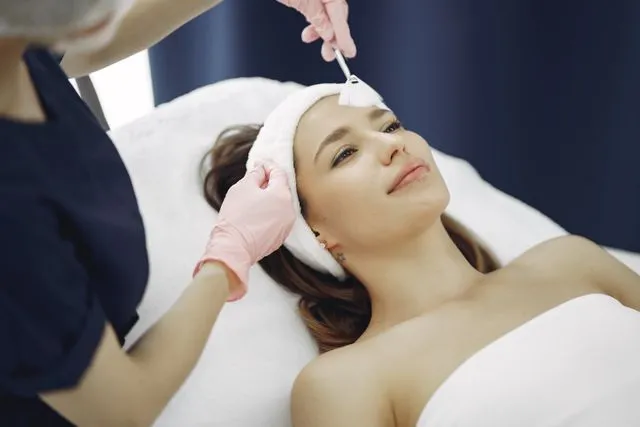
Laser resurfacing around the mouth can wake up the virus that causes cold sores, and an outbreak on freshly treated skin can spread more widely and heal more slowly than usual. For that reason, people with a history of cold sores, and often everyone having resurfacing on the lower face, are usually prescribed a preventive antiviral medicine by a physician before treatment. If a sore appears anyway, it should be reported to the clinic promptly.
Why laser can trigger cold sores
Cold sores are caused by herpes simplex virus, most often type 1. After a first infection, which may have happened in childhood without anyone noticing, the virus stays inactive in nerve cells near the skin. Many adults carry it, and only some get visible sores.
The virus tends to reactivate when the skin or the body is under stress. Common triggers include sun exposure, cold wind, fever, illness, fatigue and injury to the lip area. Laser resurfacing is a controlled injury to the skin, and treating around the lips or lower face is a well-recognised trigger.
Why an outbreak after laser is a bigger problem
Normally, a cold sore stays small and heals within about a week to ten days. After resurfacing, the protective outer layer of the skin has been removed or disrupted. The virus can then spread across a larger area of raw skin, sometimes beyond the usual spot on the lip.
This can lead to more pain, slower healing, a higher chance of bacterial infection and, in some cases, scarring or lasting pigment changes. Preventing an outbreak is much easier than treating a widespread one.
Who is likely to need preventive antivirals
Practice varies, but preventive antiviral medicine is commonly considered for:
- Anyone who has had cold sores before, even rarely or years ago
- Resurfacing treatments on the lips or around the mouth, including lip texture treatments
- Full-face ablative or deeper fractional resurfacing, whether or not you recall cold sores
- People with a weakened immune system
Gentle treatments that do not break the skin, such as many laser hair removal and light non-ablative treatments, carry lower risk, but tell the clinic about any cold sore history regardless. For a lip-focused option, see our article on laser for lip texture.
How preventive antiviral medicine is used
Antiviral medicines such as valacyclovir, acyclovir and famciclovir are prescription drugs. When they are used for prevention around laser, a physician decides whether you need one, which medicine, the dose and how long to take it. A common pattern is to start a day or so before treatment and continue for several days afterwards while the skin heals, but your instructions may differ.
Before prescribing, the physician will review your kidney health, other medications, allergies, and whether you are pregnant or breastfeeding. Tell them about all your medicines and health conditions.
Take the medicine exactly as prescribed and complete the course. Do not use leftover tablets or someone else's prescription, and do not change the dose on your own. If you have side effects, call the prescriber rather than stopping.
Lowering your risk in daily life
Medicine is only part of prevention. In the weeks around a lip or lower-face treatment, it helps to reduce your usual triggers where you can:
- Use a lip balm with SPF every day, including in winter wind and on the water
- Try to avoid booking treatment during a stressful week, an illness or right before travel
- Get enough rest in the days before and after treatment
- Avoid kissing or sharing drinks with anyone who has an active cold sore
If you know your own pattern, such as outbreaks after a cold or a sunny weekend, share it with the clinic so timing can take it into account.
If you have a cold sore before your appointment
Call the clinic. Laser should not be done over or near an active cold sore, or one that is still healing. Treating it could spread the virus and increase the risk of scarring. Your appointment will usually be rescheduled until the area has fully healed, and a preventive plan made for next time.
Also mention if you have a tingle, burn or itch on the lip, since these early warning signs often appear before a sore is visible.
If a cold sore appears after treatment
Even with preventive medicine, an outbreak can occasionally happen. Contact the clinic as soon as you notice:
- Tingling, burning or new pain in a treated area, beyond the expected tenderness
- Small clustered blisters or pinpoint sores
- Sudden worsening of crusting, weeping or pain after initial improvement
- Fever or feeling unwell
Early assessment allows a physician to adjust antiviral treatment and check for bacterial infection. Do not pick or pop blisters, keep the area clean, wash your hands after touching your face, and avoid sharing towels, cups or lip products. Avoid close face-to-face contact, especially with infants, until the area has healed. Our article on resurfacing downtime explains what normal healing looks like.
Other reasons to wait before resurfacing
Alongside cold sores, laser resurfacing is generally postponed with any active skin infection, a recent sunburn or tan, pregnancy, recent isotretinoin use, or poorly controlled diabetes. A history of keloid scarring needs careful discussion. The main risks of resurfacing include redness, swelling, crusting, infection, viral reactivation, pigment changes and, rarely, scarring.
Frequently asked questions
I have never had a cold sore. Do I still need an antiviral?
Sometimes. Many people carry the virus without symptoms, so physicians often recommend prevention before deeper resurfacing on the face. The decision is individual.
Can I use an over-the-counter cold sore cream instead?
Not as a replacement for a prescribed plan. Ask the clinic before putting any product on treated skin.
Does sunscreen help prevent cold sores?
Sun exposure is a common trigger, so a lip balm with SPF can help reduce outbreaks in daily life, and it protects healing skin too.
Does this apply to injectables near the lips too?
Needle injury can occasionally trigger a cold sore as well, so mention your history before any treatment around the mouth.
If you get cold sores and are thinking about laser, HealthPark Medical Aesthetics can go through your history at a consultation and plan the precautions before any treatment is scheduled.
Keep reading
Fotona laser
Skincare Before and After Laser: Prep and Recovery
Which skincare products to pause before laser, priming pigment-prone skin, barrier-repair care during recovery, and when it is usually safe to restart actives.
Read article
Fotona laser
Small Bumps Around the Eyes: Syringomas and Milia
How to tell syringomas from milia, why these harmless bumps around the eyes can recur, careful Er:YAG laser treatment, gentle alternatives and main risks.
Read article
Fotona laser
Underarm Laser Hair Removal: What to Know
Underarm laser hair removal explained: shaving and deodorant before treatment, effects on ingrown hairs and darkening, sweating myths and typical sessions.
Read article