
Fotona laser
Skincare Before and After Laser: Prep and Recovery
Which skincare products to pause before laser, priming pigment-prone skin, barrier-repair care during recovery, and when it is usually safe to restart actives.
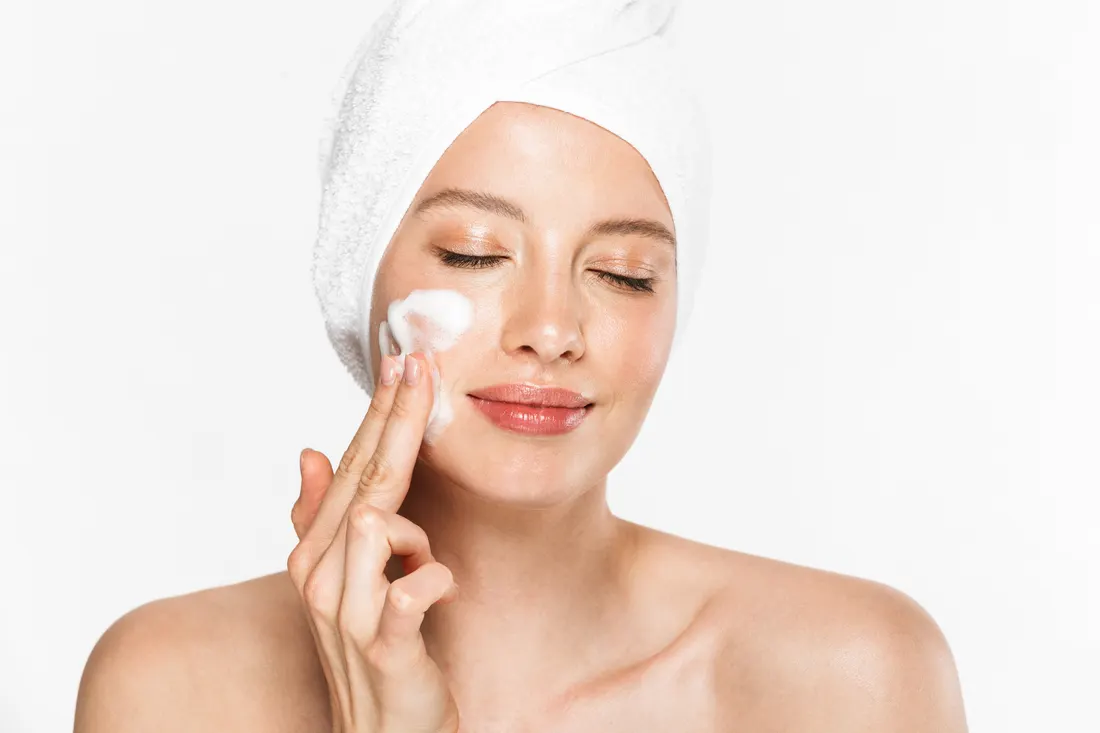
Before laser, the usual approach is to pause products that irritate or thin the skin's surface, keep up daily sunscreen and, for some people prone to dark marks, follow a priming routine. Afterwards, the focus shifts to a short, gentle routine that protects the skin barrier, with active ingredients brought back gradually once the skin has fully healed. Exact timing depends on the treatment, so follow the instructions you are given.
Products to pause before treatment
Skin that is already irritated or freshly exfoliated reacts more strongly to laser, which can mean more redness, stinging or a higher risk of pigment change. Clinics commonly ask you to stop the following on the treatment area, often for about three to seven days beforehand, and longer before resurfacing:
- Retinoids: retinol, retinal and prescription retinoid creams such as tretinoin
- Exfoliating acids: glycolic, lactic, mandelic and salicylic acids, including toners and pads
- Benzoyl peroxide and other drying acne products
- Scrubs, cleansing brushes and at-home peels
- Waxing, depilatory creams or threading on the area
- Self-tanner, which should be fully faded
If a product was prescribed by a doctor, such as a retinoid for acne or a cream for rosacea, ask the prescriber or the laser clinician before pausing it. Do not stop oral prescription medicines on your own. Isotretinoin taken by mouth is a separate issue, and laser is usually deferred for a period after it; see our article on isotretinoin and laser.
What to keep doing
A simple base routine usually continues right up to treatment day:
- A gentle, non-foaming or low-foaming cleanser
- A plain, fragrance-free moisturiser
- Broad-spectrum sunscreen of SPF 30 or higher every morning, reapplied when outdoors
Sun protection is the most important step. A tan or recent sunburn usually means treatment has to be postponed, because extra pigment competes for laser energy and raises the risk of burns and dark or light patches.
Priming pigment-prone skin
People with medium to deep skin tones, or anyone who tends to develop dark marks after spots or scratches, have a higher risk of post-inflammatory hyperpigmentation after laser. For some of these patients, the clinician may suggest a priming routine for several weeks beforehand.
Depending on your skin, this may include careful daily sunscreen, a tinted sunscreen containing iron oxides for visible light protection, and ingredients that help calm pigment production, such as azelaic acid or niacinamide. In some cases a physician may prescribe a short course of a stronger lightening cream. The evidence that priming reliably prevents darkening is mixed, so it is used selectively rather than for everyone. Do not start prescription products without a physician's advice.
Bring your products to the consultation
It can be hard to remember every ingredient in a routine, and many products contain retinoids or acids without making it obvious on the front of the bottle. Bringing your products, or clear photos of the ingredient lists, lets the clinician spot anything that should be paused and give you dates rather than general advice.
Mention hair products and body lotions too if the scalp, neck or body is being treated, as well as anything you use for acne, rosacea or eczema. If you have had a recent chemical peel, microneedling or facial at another clinic, say so, since these also affect timing.
The first days after treatment
Right after laser, the skin barrier is disrupted and more sensitive than usual. Typical guidance includes:
- Cleanse gently with lukewarm water and a mild cleanser, patting dry
- Apply a bland moisturiser or the protective ointment you are given, often several times a day after resurfacing
- Keep the skin covered and protected from the sun; once the surface is closed, use a mineral sunscreen if advised
- Avoid makeup until the clinician says it is fine, especially after resurfacing
- Do not pick, scrub or peel flaking or crusting skin
Short, simple and fragrance-free is the rule. Products marketed for sensitive or barrier-repair skin, often containing ingredients such as ceramides, glycerin or petrolatum, are commonly suitable. Our article on barrier repair explains what the barrier does.
When to restart active ingredients
Actives are usually reintroduced only once the skin has fully healed: no open areas, crusting, peeling or stinging. As a broad guide, which your clinician may adjust:
- After laser hair removal and gentle non-ablative treatments: often within a few days to a week
- After light resurfacing: often one to two weeks
- After deeper or fractional resurfacing: often several weeks
Bring products back one at a time, starting with gentler ones such as niacinamide, then vitamin C, then retinoids and acids at a lower frequency. If stinging or redness returns, step back and let the skin settle.
Sunscreen stays a daily step long after the skin looks healed. Newly treated skin can stay more sensitive to sun for several weeks, and for treatments aimed at pigment, ongoing sun protection is what helps the result last. In Cape Breton, that applies on cloudy days, in winter wind and on the water, not just at the beach.
Signs your skin needs attention
Contact the clinic if you notice blisters, crusting that spreads, increasing pain or swelling, pus, fever, or a cold sore. Ask also about patches of darkening or lightening that persist beyond a few weeks. These relate to the main risks of laser: burns, infection, viral reactivation, pigment changes and, rarely, scarring. Laser is usually postponed during pregnancy, with active infections or cold sores in the area, with a tan, or after recent isotretinoin use.
Frequently asked questions
Can I use my vitamin C serum the night before?
Many clinics ask you to pause it a few days before, as it can sting on sensitive skin. Follow your clinic's instructions.
Is it all right to use an aloe or "soothing" gel afterwards?
Only if it is fragrance-free and recommended by the clinic. Some soothing products contain alcohol, essential oils or fragrance that can irritate healing skin.
Should I buy new products just for laser?
Usually not. A gentle cleanser, a plain moisturiser and sunscreen cover most needs. Ask before buying anything extra.
If you would like a skincare plan built around your laser treatment and your skin type, HealthPark Medical Aesthetics can go through your current products at a consultation and explain what to pause and when to restart.
Keep reading

Fotona laser
Small Bumps Around the Eyes: Syringomas and Milia
How to tell syringomas from milia, why these harmless bumps around the eyes can recur, careful Er:YAG laser treatment, gentle alternatives and main risks.
Read article
Fotona laser
Underarm Laser Hair Removal: What to Know
Underarm laser hair removal explained: shaving and deodorant before treatment, effects on ingrown hairs and darkening, sweating myths and typical sessions.
Read article
Fotona laser
Keloid-Prone Skin and Laser: Assessing Risk
What a history of keloids or raised scars means for laser planning, which treatments carry lower risk, which are usually avoided, and how to discuss it safely.
Read article