
Body & skin
Azelaic Acid for Redness, Breakouts and Pigment
How azelaic acid works, its role in rosacea, acne and uneven tone, prescription versus over-the-counter strengths in Canada, and pregnancy considerations.
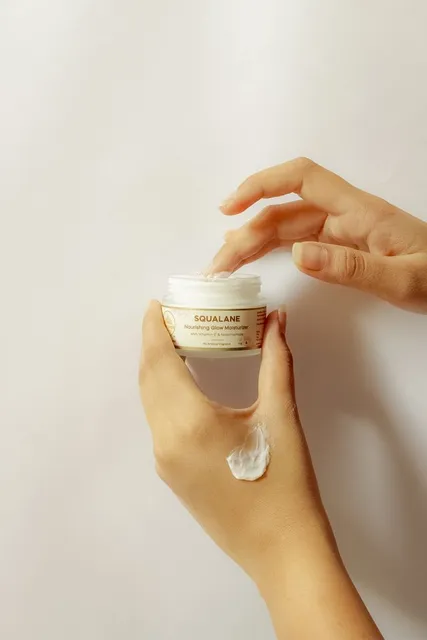
Azelaic acid is a topical ingredient that calms inflammation, reduces acne-causing bacteria, helps keep pores clear and slows pigment production. That combination makes it useful for rosacea bumps, mild to moderate acne and dark marks left behind by breakouts. Prescription-strength versions are established medical treatments, while lower-strength cosmetic products are milder and less well studied.
How azelaic acid works
Azelaic acid is a naturally occurring acid, first noticed because a yeast that lives on human skin produces it. The versions used in skincare are made in a laboratory. Despite the name, it is not an exfoliating acid in the same way as glycolic or salicylic acid. Instead, it acts on several processes at once:
- Anti-inflammatory: it reduces some of the chemical signals that drive redness and swelling in the skin.
- Antibacterial: it lowers numbers of the bacteria involved in acne, without the resistance concerns linked to topical antibiotics.
- Pore-clearing: it helps normalise how skin cells shed inside the pore, reducing blockages.
- Pigment-reducing: it slows tyrosinase, an enzyme involved in making melanin, and appears to act mainly on overactive pigment cells rather than normal ones.
Because it targets several steps at once, azelaic acid can be helpful when someone has a mix of concerns, such as breakouts with dark marks, or redness with bumps.
Azelaic acid and rosacea
Prescription azelaic acid is one of the established topical treatments for papulopustular rosacea, the type with red bumps and pus-filled spots. Over a number of weeks, it can reduce the number of bumps and some of the background inflammation. It is less effective for persistent redness and visible blood vessels, which often need other approaches such as prescription creams or laser.
Rosacea should be diagnosed by a family doctor or dermatologist, who can decide whether azelaic acid suits you or whether another treatment would be better. Some people with rosacea find azelaic acid stings at first, so starting slowly helps. Our article on rosacea skincare covers the day-to-day basics that support any treatment plan.
Azelaic acid and acne
For mild to moderate acne, azelaic acid can reduce both blackheads and inflamed spots. It is often used alongside or as an alternative to other topical treatments, particularly for people who cannot tolerate retinoids or benzoyl peroxide, or who are pregnant. Results build gradually, and it may take two to three months to judge how well it is working.
Acne that is moderate to severe, cystic, scarring or affecting your mood needs a medical assessment. Your family doctor can discuss a full range of options, including prescription treatments taken by mouth when appropriate.
Azelaic acid and uneven tone
Azelaic acid has been studied for melasma and for post-inflammatory hyperpigmentation, the brown or dark marks left after spots, rashes or injury. Some studies have shown it can improve these over several months, and it is often chosen for darker skin tones because it tends to target overactive pigment cells. It works best as part of a plan that includes strict daily sun protection, since sunlight keeps stimulating pigment. Our article on hyperpigmentation explains the different types of dark patches and why some respond better than others.
Prescription versus over-the-counter strengths
In Canada, azelaic acid at the strengths used for medical treatment, such as the 15 percent gel used for rosacea, requires a prescription. Strengths of 15 to 20 percent are the ones used in most clinical studies for rosacea and acne.
Lower-strength cosmetic products, often around 10 percent or less, are widely sold without a prescription. Some people find them helpful for mild redness, texture or tone, but the evidence for these lower strengths is more limited, and you should not expect the same results as a prescription product. Some cosmetic products also contain azelaic acid derivatives, which may behave differently.
If you have a diagnosed skin condition, talk with your physician about whether a prescription strength is appropriate rather than trying to match it with a cosmetic product.
Using it day to day
- Apply a thin layer to clean, dry skin, usually once or twice daily as directed.
- Start once a day, or every other day, if you have sensitive skin, and increase as tolerated.
- Follow with moisturiser if your skin feels dry.
- Use a broad-spectrum sunscreen every morning, especially if you are treating pigment.
- Be cautious about combining it with exfoliating acids or retinoids at first; add one active at a time.
- Expect gradual change over 8 to 12 weeks or more rather than quick results.
Side effects and who should take care
The most common side effects are stinging, burning, itching or tingling when you apply it, especially during the first few weeks. Dryness, redness and peeling can also occur. These often settle with continued use, but stop and seek advice if you notice swelling, a spreading rash, blistering or symptoms that keep getting worse.
Take extra care or speak with your doctor first if you:
- Have a damaged skin barrier or very reactive skin
- Have active eczema on the face
- Have had a reaction to azelaic acid or a product's other ingredients before
- Are using other prescription skin treatments, so the combination can be planned
- Have a history of cold sores, as a small number of reports describe cold sore flares in people using it
Rarely, lightening of the skin has been reported in people with darker skin tones. Let your doctor know if you notice any unexpected change in colour.
Pregnancy and breastfeeding
Very little topical azelaic acid is absorbed into the body, and it is often considered one of the more acceptable acne and rosacea options during pregnancy and breastfeeding. Even so, any medication or active ingredient used during pregnancy should be discussed with your physician or pharmacist first. Do not start, stop or switch a prescription treatment during pregnancy without that conversation.
Frequently asked questions
Can I use azelaic acid with niacinamide?
Many people use both without problems, and some find the combination comfortable. Introduce them one at a time so you can tell which product is responsible if your skin reacts.
Does azelaic acid make skin sun-sensitive?
It is not known for causing significant sun sensitivity in the way some acids are. Daily sunscreen is still important, particularly if you are treating dark marks.
Will azelaic acid help acne scars?
It can help fade flat dark marks after acne, but it does not change the texture of indented scars. Those usually need procedural treatment.
Getting tailored advice
Azelaic acid is a versatile ingredient, but choosing the right strength depends on whether you are treating a medical condition or a cosmetic concern. Your family doctor can assess rosacea and acne and prescribe where appropriate. If you would like to discuss how a topical routine fits with any aesthetic treatment you are considering, HealthPark Medical Aesthetics is happy to talk it through.
Keep reading

Body & skin
What Happens at a Skin Consultation
What to expect at a skin consultation: medical and skincare history, skin examination, setting priorities, discussing options including no treatment, and fees.
Read article
Body & skin
Mixing Skincare Actives: Which Combinations Irritate
Which skincare actives clash, such as retinoids with strong acids, how to split actives between morning and night, and how to layer without harming the barrier.
Read article
Body & skin
Microneedling for Acne Scars: What to Expect
Which acne scar types tend to respond to microneedling, the usual treatment series, combining it with other methods, and why improvement builds over months.
Read article