
Body & skin
Rosacea Skin Care Basics
Understanding rosacea triggers, choosing gentle products, protecting skin from sun and heat, and why medical treatment from your doctor often comes first.
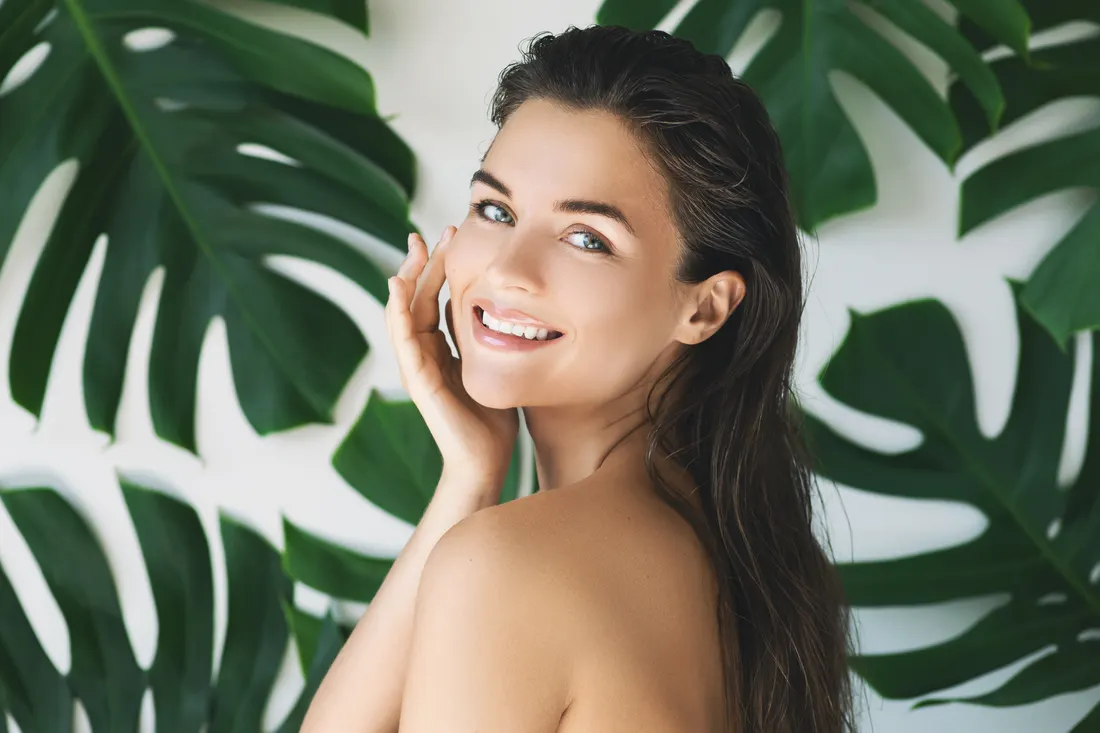
Rosacea is a long-term inflammatory skin condition that causes facial redness, flushing, visible blood vessels and sometimes acne-like bumps. It cannot be cured, but it can usually be controlled well with a combination of gentle skin care, sun protection, avoiding personal triggers and, when needed, prescription treatment from your doctor. Good daily care is the foundation that makes every other treatment work better.
Recognising rosacea
Rosacea most often affects the cheeks, nose, chin and forehead. Signs can include:
- Flushing or blushing that comes on easily and lasts longer than expected
- Persistent redness in the centre of the face
- Fine visible blood vessels (telangiectasias)
- Red bumps and pus-filled spots, without the blackheads typical of acne
- Burning, stinging or sensitivity to many products
- Gritty, irritated or red eyes (ocular rosacea)
- Less commonly, thickened skin on the nose
Rosacea is often confused with acne, eczema, lupus or simple sensitive skin. A diagnosis from your family doctor or a dermatologist is important, especially if your eyes are involved, since ocular rosacea may need specific care.
Finding your triggers
Many people with rosacea find certain situations bring on a flare. Common triggers include:
- Sun exposure
- Heat, hot showers, saunas and overheated rooms
- Cold wind and sudden temperature changes
- Alcohol, particularly red wine
- Spicy foods and hot drinks
- Emotional stress
- Vigorous exercise
- Some skin care and cosmetic products
Triggers vary a great deal from person to person, and you do not need to avoid everything on this list. Keeping a simple diary of flares for a few weeks can show which triggers matter for you. For hot drinks, letting them cool slightly can help; for exercise, cooler environments, shorter intervals and a cool cloth on the neck may reduce flushing.
Choosing gentle products
Rosacea-prone skin has a weakened barrier and reacts easily, so fewer products are usually better. When choosing what to use:
- Cleanser: a mild, non-foaming or low-foaming, fragrance-free cleanser used with lukewarm water. Avoid washcloths, brushes and scrubs.
- Moisturiser: a fragrance-free cream that supports the barrier, often with ceramides or glycerin.
- Makeup: mineral-based products and green-tinted primers can reduce the look of redness for some people.
Ingredients that commonly irritate rosacea include alcohol, menthol, camphor, witch hazel, fragrance, eucalyptus and strong exfoliating acids. Before using a new product on your face, try it on a small area along the jaw for several days.
A sample daily routine
A rosacea routine is easiest to stick with, and least likely to irritate, when it is short and predictable. Here is one practical example to adapt with your doctor:
- Morning: rinse with lukewarm water or use a mild cleanser, apply any prescribed topical as directed, follow with a fragrance-free moisturiser, then a mineral sunscreen.
- Evening: cleanse gently to remove sunscreen and makeup, apply your prescribed treatment if it is meant for night use, then moisturise.
If a prescription cream stings, applying it after moisturiser or letting your face dry fully first can sometimes help; ask your prescriber before changing how you use it. Change only one product at a time, and give each new product a few weeks before judging it. That way, if your skin reacts, you will know which product caused it.
Habits matter too. Pat your face dry instead of rubbing, avoid touching or picking at bumps, and keep facial massage tools and hot-towel treatments for days when your skin is calm, if you use them at all.
Sun protection
Sunlight is one of the most frequently reported rosacea triggers, so daily protection matters. Many people with rosacea tolerate mineral sunscreens with zinc oxide or titanium dioxide better than some chemical filters. Look for SPF 30 or higher and broad-spectrum protection, and add shade and a wide-brimmed hat in summer. See our guide to sunscreen year-round in Nova Scotia for practical tips.
In winter, a scarf over the cheeks and nose can reduce wind-related flushing.
Medical treatment comes first
Skin care alone often is not enough for moderate rosacea. Your family doctor or a dermatologist can prescribe treatments that target inflammation, bumps and redness. Depending on your symptoms, these may include topical creams or gels, oral antibiotics used at doses for their anti-inflammatory effect, and other prescription options for more severe cases.
Prescription treatment is especially important for bumps and pustules, eye symptoms and thickening skin. Use prescribed treatments as directed, and do not stop or change them without talking to your prescriber.
Where in-clinic treatment may fit
Laser and light-based treatments can reduce persistent background redness and visible blood vessels, which prescription creams often do not fully address. They do not cure rosacea, and redness can return over time, so maintenance may be needed. Our article on laser treatment for rosacea explains what laser can and cannot improve.
Laser treatment may not be suitable during an active flare, with a recent tan or sunburn, during pregnancy, or if you have recently taken isotretinoin. Risks include temporary redness and swelling, bruising, blistering and pigment changes. Aggressive peels and resurfacing are generally avoided in rosacea because they can trigger flares.
Frequently asked questions
Is rosacea caused by poor hygiene?
No. Rosacea is not caused by being unclean, and scrubbing usually makes it worse. Its causes involve a mix of genetics, immune response, blood vessel reactivity and skin microorganisms.
Can I use a retinoid if I have rosacea?
Some people tolerate a gentle retinoid well once their rosacea is controlled; others find it irritating. Ask your doctor before starting one, and introduce it slowly.
Will rosacea get worse with age?
It varies. Some people have a mild course, while others progress without treatment. Consistent care and medical follow-up help keep it under control.
Does rosacea affect mood?
Many people find visible redness affects their confidence. That is a valid reason to seek treatment, and it is worth mentioning to your doctor.
If you have been diagnosed with rosacea and are wondering whether laser or a change in skin care could help with lingering redness, a consultation can help you understand your options. At HealthPark Medical Aesthetics, any plan is coordinated with your family doctor's medical treatment rather than replacing it.
Keep reading

Body & skin
What Happens at a Skin Consultation
What to expect at a skin consultation: medical and skincare history, skin examination, setting priorities, discussing options including no treatment, and fees.
Read article
Body & skin
Mixing Skincare Actives: Which Combinations Irritate
Which skincare actives clash, such as retinoids with strong acids, how to split actives between morning and night, and how to layer without harming the barrier.
Read article
Body & skin
Microneedling for Acne Scars: What to Expect
Which acne scar types tend to respond to microneedling, the usual treatment series, combining it with other methods, and why improvement builds over months.
Read article