
Fotona laser
Laser for Crepey Under-Eye Skin and Fine Lines
How laser can treat thin, crinkled skin and fine lines under the eyes, eye safety, expected downtime, main risks, and how it differs from under-eye filler.
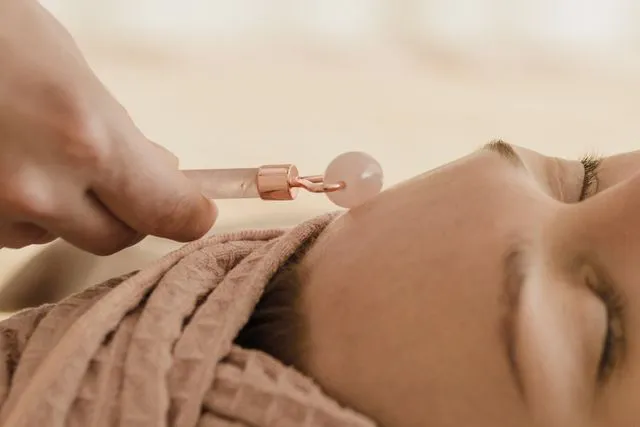
Laser treatment can improve the crinkled, tissue-paper texture of under-eye skin and soften fine lines by encouraging new collagen in this thin area. It works on the quality of the skin itself, so it does not fill hollows or remove puffy bags. Because the skin here is delicate and close to the eye, treatment uses careful settings and strict eye protection.
Why under-eye skin turns crepey
The skin of the lower eyelid is among the thinnest on the body. It has little fat beneath it and moves constantly with blinking, smiling and squinting. Over time, collagen and elastin decline, and the skin loses its springiness. Sun exposure speeds this up, and smoking, frequent rubbing and significant weight changes can contribute.
The result is a fine, crinkled texture, often more visible when you smile or look up, along with fine lines and sometimes a slightly darker or translucent look. This is different from other under-eye concerns that people often group together:
- Hollows (tear troughs) come from volume loss and bone changes.
- Bags are usually fat pads pushing forward, sometimes with fluid.
- Dark circles can come from pigment, visible blood vessels, shadowing or thin skin.
- Crow's feet are lines at the outer corner driven by muscle movement.
Laser mainly addresses texture and fine lines. Identifying which concerns you have is the first step, because the treatment for each is different.
How laser treats the area
With a Fotona device, the under-eye area may be treated with very light Er:YAG resurfacing, which removes an extremely thin surface layer, or with gentle heat-based modes that warm the deeper skin without removing tissue. Some plans use both, at different sessions or in the same visit. The aim is to prompt the skin to rebuild collagen gradually.
Settings around the eyes are usually more conservative than on the cheeks or forehead, because the skin is thinner and heals differently. A series of sessions spaced several weeks apart is common. Improvement develops slowly over the months after treatment, and results vary from person to person. Lines caused by muscle movement may return as you continue to smile and squint, which is normal.
For more on how laser affects lines across the face, see laser for fine lines and wrinkles.
Eye safety comes first
Laser light can seriously injure the eye, so protection is not optional. Everyone in the room wears eyewear matched to the laser wavelength. For treatment close to the lash line, the patient may wear small protective shields that sit over or on the eye, sometimes after numbing eye drops. The clinician also keeps the beam directed away from the eye and adjusts technique for the tight space.
Tell your clinician if you have had eye surgery, wear contact lenses (they are removed beforehand), have dry eye or any eye condition. Contact lenses can be put back in once any eye shields are removed and the eyes feel comfortable.
What recovery is typically like
After light resurfacing, expect redness, mild swelling and a tight or dry feeling. Fine flaking may follow over a few days. Swelling around the eyes can look more noticeable in the morning and usually settles within a few days. Heat-only treatments often cause just short-lived redness.
Aftercare usually includes gentle cleansing, a bland ointment or moisturiser as advised, sleeping with your head slightly raised for the first night or two, and avoiding eye makeup until the skin has healed. Sun protection with sunglasses and a hat helps protect new skin.
Supporting results at home
Laser works best alongside simple daily habits. Sunglasses and a broad-brimmed hat reduce squinting and sun damage. A gentle eye cream or moisturiser helps the skin feel more comfortable, though no cream reverses crepey texture on its own. Avoid rubbing your eyes, and if allergies make them itchy, ask your family doctor about managing the allergy itself.
Laser vs under-eye filler
People sometimes ask whether they need laser or filler, but they address different things. Hyaluronic acid filler adds volume to a hollow and can reduce shadowing. It does not improve the texture of the skin surface, and in thin, crepey skin filler can sometimes show through or look puffy. Laser improves skin quality but does not fill hollows.
For some people, both are considered, with timing planned so each can be assessed separately. For others, neither is a good fit: prominent bags, for example, are often better assessed by an oculoplastic or plastic surgeon. Read more in our article on under-eye tear trough filler.
Who should not have treatment, or should wait
Under-eye laser is generally postponed or avoided:
- during pregnancy or breastfeeding
- with an eye infection, eyelid inflammation, active eczema or cold sores nearby
- within a period after eyelid or eye surgery, until your surgeon agrees
- with a recent tan, or after recent isotretinoin use
- with a history of keloids or poor healing
Sudden or one-sided swelling, new lumps on the eyelid, or changes in vision are reasons to see your family doctor or eye doctor, not a cosmetic clinic. Discuss all medications with your clinician, and never stop a prescribed medicine on your own.
Main risks
Common effects are redness, swelling, dryness and mild flaking. Less common risks include milia (tiny white bumps), prolonged redness, darkening or lightening of the skin, cold sore reactivation and infection. Rarely, scarring or a slight pulling-down of the lower eyelid can occur, particularly with aggressive treatment. Eye injury is a serious but preventable risk, which is why protection is strict.
Frequently asked questions
Will laser get rid of my under-eye bags?
No. Bags are usually caused by fat or fluid. Laser may slightly tighten the skin over them but does not remove them.
Can I wear makeup afterwards?
Usually not until the skin has stopped flaking, often several days for resurfacing. Your clinician will give specific timing.
Does it help dark circles?
Sometimes a little, if thin skin is part of the cause. Pigment-related or shadow-related circles need a different approach.
If crepey under-eye skin bothers you, HealthPark Medical Aesthetics can help work out which concerns are present and whether laser, another approach or a surgical opinion makes the most sense for you.
Keep reading

Fotona laser
Skincare Before and After Laser: Prep and Recovery
Which skincare products to pause before laser, priming pigment-prone skin, barrier-repair care during recovery, and when it is usually safe to restart actives.
Read article
Fotona laser
Small Bumps Around the Eyes: Syringomas and Milia
How to tell syringomas from milia, why these harmless bumps around the eyes can recur, careful Er:YAG laser treatment, gentle alternatives and main risks.
Read article
Fotona laser
Underarm Laser Hair Removal: What to Know
Underarm laser hair removal explained: shaving and deodorant before treatment, effects on ingrown hairs and darkening, sweating myths and typical sessions.
Read article