
Fotona laser
Laser for Fine Lines and Wrinkles
How laser treatment remodels collagen to soften fine lines and static wrinkles, how it differs from neuromodulator, and what improvement is realistic to expect.
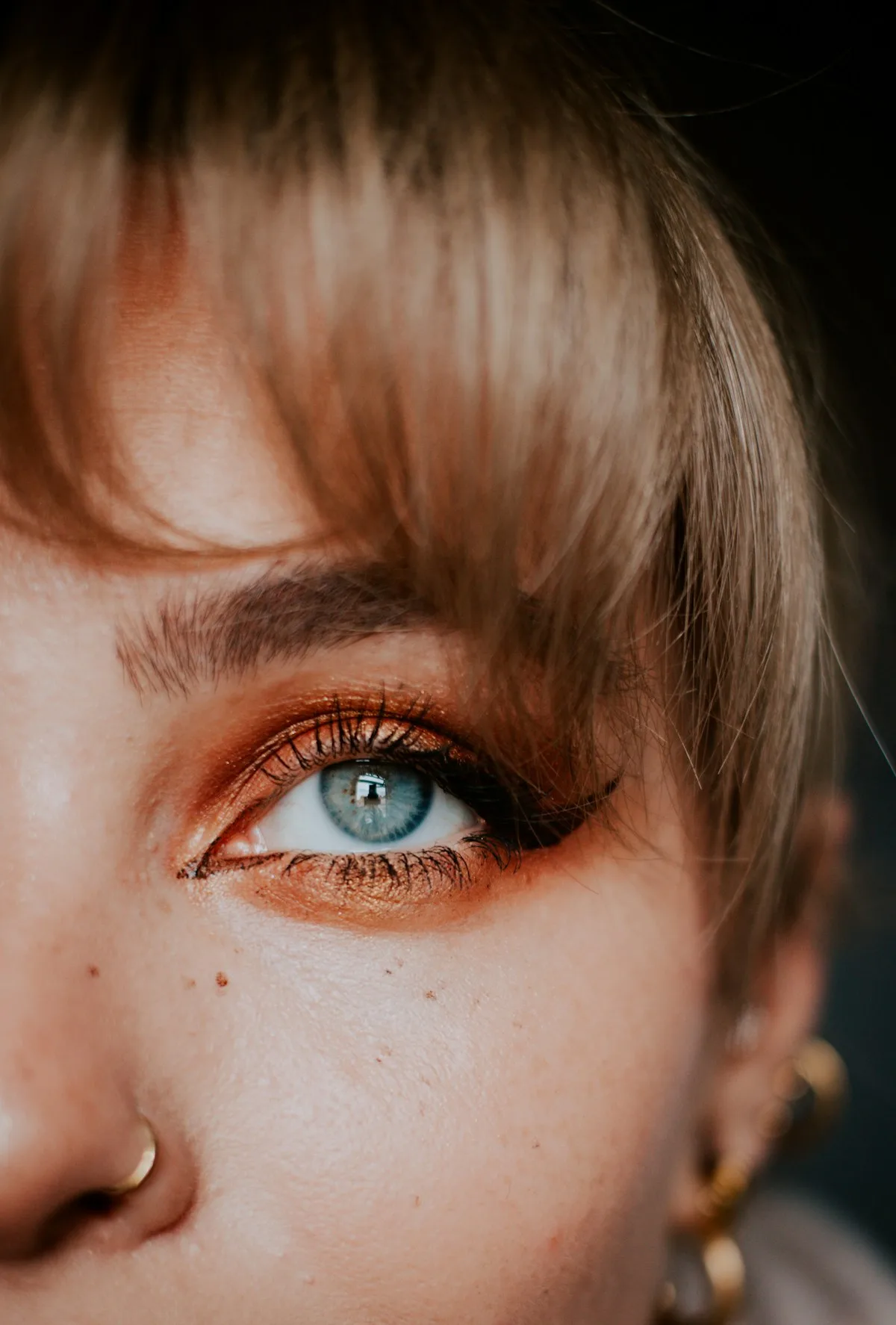
Laser treatment can soften fine lines and some wrinkles by prompting the skin to rebuild collagen, the protein that keeps skin firm and smooth. It is most effective on lines etched into the skin surface rather than lines caused by muscle movement. The improvement is usually gradual and moderate, not dramatic, and it typically takes a series of sessions.
Two kinds of lines, two different problems
Not every wrinkle forms the same way. Dynamic lines appear when you move your face, such as when you frown, squint or raise your eyebrows. They fade when your face is at rest, at least in the early years. Static lines are visible even when your face is relaxed. They come from thinning skin, lost collagen and elastin, sun damage, and years of repeated folding in the same place.
This distinction matters because each type responds to a different tool. A line that is mostly caused by muscle pull will keep coming back if you only treat the skin. A line that is mostly a crease in thinned, sun-damaged skin will not go away just by relaxing the muscle underneath. Many people over 40 have a mix of both.
How laser remodels collagen
Your skin constantly repairs itself, but collagen production slows with age. By the mid-twenties, the body gradually makes less of it each year, and sun exposure speeds up the breakdown. Laser treatment uses that natural repair process on purpose.
The Fotona laser used in many clinics has two wavelengths. The Er:YAG wavelength (2940 nm) is absorbed strongly by water in the skin. Depending on the setting, it can gently heat the surface or remove very thin layers of skin in a controlled way. The Nd:YAG wavelength (1064 nm) passes deeper and warms the dermis without breaking the surface. In both cases, the controlled injury signals the skin to produce new collagen and reorganise existing fibres over the following weeks and months.
For a fuller explanation of how surface treatments work, see our article on laser skin resurfacing.
Which lines respond, and which don't
Laser tends to help most with:
- Fine crinkly lines under and around the eyes
- Vertical lines above the upper lip
- Crepey texture on the cheeks
- Shallow static lines on the forehead
- General roughness and uneven texture from sun damage
It tends to help less with deep folds, such as the lines running from the nose to the corners of the mouth. Those folds are shaped largely by volume loss and the way the midface sits, so skin treatment alone has a limited effect. Strong frown lines that deepen every time you move are also unlikely to improve much with laser alone while the muscle keeps pulling.
Laser compared with neuromodulator
People often ask whether they should choose laser or wrinkle-relaxing injections. The honest answer is that they do different jobs.
A neuromodulator (botulinum toxin type A) temporarily reduces the activity of specific muscles. It softens dynamic lines, usually starting within 3 to 14 days and lasting about 3 to 4 months. It does not change skin texture, sun damage or the thinness of the skin itself.
Laser works on the skin, not the muscle. It can improve the quality of the skin over time and soften lines that have become etched in. Its effect builds slowly and, because new collagen is part of your own tissue, it can last longer, although normal ageing and sun exposure continue.
When a line has both a movement component and a skin component, a combination may make sense. Relaxing the muscle first can give remodelling skin a chance to settle without being creased again many times a day. Our article on how neuromodulators work explains that side in more detail.
What realistic improvement looks like
It helps to set expectations before starting. Most people notice their skin looks smoother and more even, and that fine lines are softer. Deeper lines may become shallower but rarely disappear. Results vary from person to person and depend on skin type, the depth of the lines, the settings used and how well the skin is protected from the sun afterward.
Collagen remodelling takes time. Some early smoothness can appear within a couple of weeks as the skin heals, but the more meaningful change usually develops over two to six months. Gentler treatments are typically done as a series of three or more sessions spaced several weeks apart. Deeper resurfacing may need fewer sessions but involves more recovery. Our guide to fractional and full-field resurfacing compares those options.
Who should not have laser for wrinkles, or should wait
Laser is not suitable for everyone. You may need to wait or choose a different approach if you:
- Are pregnant or breastfeeding
- Have an active skin infection, cold sore or open wound in the area
- Have taken isotretinoin recently
- Have a recent tan or plan significant sun exposure soon after treatment
- Have a history of keloid scarring or poor wound healing
- Have an uncontrolled medical condition, such as poorly controlled diabetes
- Have a photosensitive condition or take medications that increase sun sensitivity
People with a history of cold sores may be prescribed an antiviral before resurfacing, because heat can trigger an outbreak. Darker skin tones can be treated, but settings must be chosen carefully to reduce the risk of pigment changes.
Risks and side effects
Common, expected effects include redness, warmth, mild swelling and a sunburn-like feeling for a few hours to a few days. With resurfacing treatments, the skin may feel rough, flake or peel for several days.
Less common risks include darkening of the skin (post-inflammatory hyperpigmentation), lightening of the skin, cold sore flare-ups, acne flares, infection and, rarely, scarring. Careful assessment, conservative settings and good aftercare all reduce these risks, but they cannot remove them entirely. Daily sunscreen afterward is essential.
Frequently asked questions
Can laser replace wrinkle-relaxing injections?
Not usually. Laser improves the skin, while injections reduce muscle movement. If your lines are mainly caused by movement, laser alone is unlikely to give the result you want. Many people use one, the other or both, depending on the type of line.
At what age does laser for fine lines make sense?
There is no set age. It depends on whether you have static lines and sun damage, not the number on your birth certificate. Some people in their thirties have early texture changes, while others in their fifties mainly need good daily sun protection and skincare.
Will I need to keep having treatments?
The collagen you build is your own, but your skin continues to age. Some people choose an occasional maintenance session, often once or twice a year, while others are content with a single series. Sunscreen and a retinoid at home help protect the result.
Is laser the right step for you?
The first step is working out what is causing your lines: movement, skin quality, volume loss or a combination. Sometimes the most useful advice is to start with sunscreen and a retinoid before considering any procedure. If you would like a medical assessment of your skin and an honest conversation about your options, HealthPark Medical Aesthetics offers consultations where risks, expected results and fees are explained before any decision is made.
Keep reading
Fotona laser
Skincare Before and After Laser: Prep and Recovery
Which skincare products to pause before laser, priming pigment-prone skin, barrier-repair care during recovery, and when it is usually safe to restart actives.
Read article
Fotona laser
Small Bumps Around the Eyes: Syringomas and Milia
How to tell syringomas from milia, why these harmless bumps around the eyes can recur, careful Er:YAG laser treatment, gentle alternatives and main risks.
Read article
Fotona laser
Underarm Laser Hair Removal: What to Know
Underarm laser hair removal explained: shaving and deodorant before treatment, effects on ingrown hairs and darkening, sweating myths and typical sessions.
Read article