
Fotona laser
Which Laser Treatments Can Be Done in Summer?
Which laser treatments are lower risk in summer, which are better left for fall, how to protect treated skin outdoors, and how to plan a year-round laser schedule.
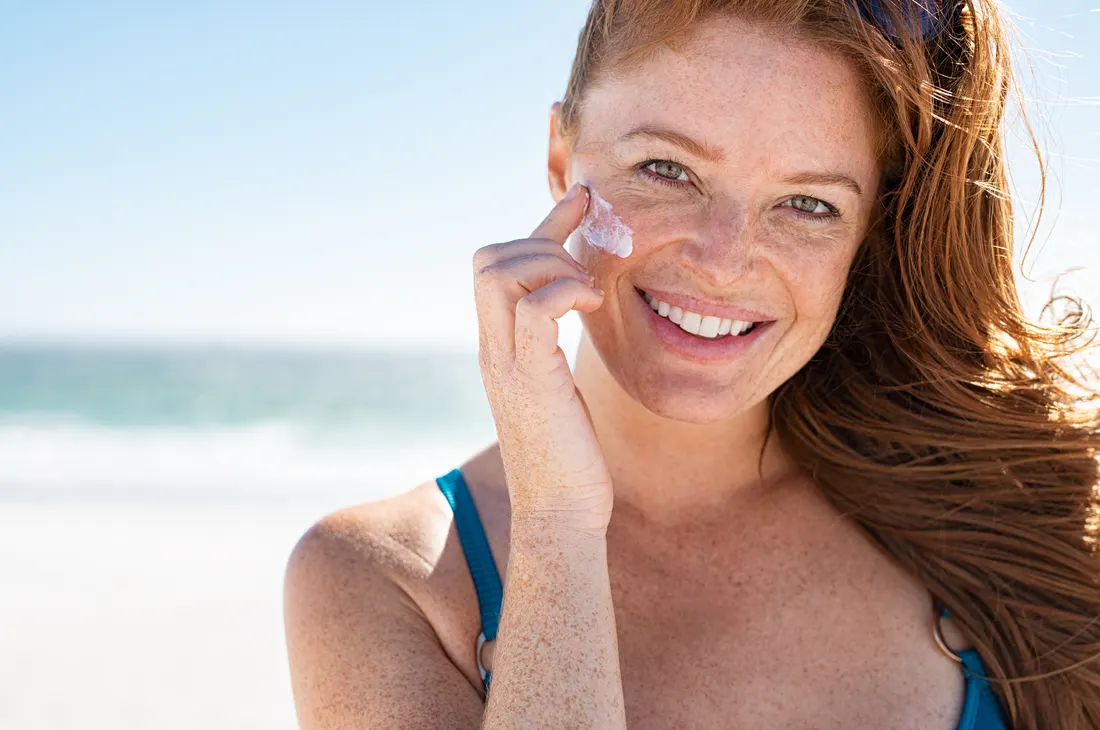
Some laser treatments can reasonably go ahead in summer, especially gentle, non-ablative procedures on skin that stays covered or is carefully protected. Deeper resurfacing and most pigment work are usually better saved for fall and winter. The deciding factors are how much the treatment disturbs the skin surface, how much sun the area will see, and whether you currently have a tan.
Why summer changes the planning, not the rules
The basic safety rules for laser are the same in July as they are in January. What changes is how hard they are to follow. Long Cape Breton evenings, weekends at the beach or on the Mira, gardening and outdoor work all add up to more ultraviolet exposure than most people realise.
Two problems follow from that. First, tanned skin holds extra melanin, which absorbs laser energy and raises the chance of burns or blotchy colour change. Second, freshly treated skin is more reactive to sunlight, and sun during healing can leave brown marks called post-inflammatory hyperpigmentation. These marks often fade, but it can take months. Medium and deeper skin tones are more prone to them.
So the question is less "is summer allowed?" and more "can this particular area be kept out of the sun before and after treatment?"
Treatments that are often reasonable in summer
Each plan is individual, but these are the kinds of treatments that are more often considered during sunny months, provided the skin is not tanned and you can protect it:
- Laser hair removal on covered areas, such as the bikini line, underarms or back, where clothing or a swimsuit keeps the skin shaded. Sessions need to stay on schedule for hair growth cycles, so pausing every summer is not always practical.
- Gentle non-ablative tightening, which warms deeper layers without breaking the surface. Short-term redness usually settles within hours to a day.
- Some vascular treatments for small facial or leg vessels, depending on the settings, your skin type and how quickly you can avoid direct sun afterwards.
- Treatment of individual small lesions that have already been assessed by a physician, where the treated spot is tiny and easy to cover.
Even for these, your provider may lower settings or space sessions differently in summer. If you have a noticeable tan, the visit may be postponed until it fades.
Treatments usually better left for fall
Some procedures leave the skin open, pink or delicate for days to weeks. The longer the recovery, the more sun-avoidance it takes, and that is hard to manage in July. These are commonly scheduled from late September onward:
- Ablative or deeper fractional resurfacing for wrinkles, texture or acne scars.
- Treatment of sun spots and freckling, since summer sun can bring pigment straight back.
- Melasma and other pigment-prone conditions, which react to both heat and light.
- Laser on the face, hands or chest when those areas will be exposed daily at work or on vacation.
- Scar treatment on visible skin, where colour change in healing tissue is a key concern.
For a fuller look at seasonal timing, see choosing a season for laser treatment.
Protecting treated skin when you are outdoors
If you do have treatment in summer, aftercare matters more than usual. Your provider will give instructions specific to your procedure, but common advice includes:
- Avoiding direct sun on the treated area for at least the period you are told, often one to two weeks or longer after more intensive work.
- Using a broad-spectrum sunscreen of SPF 30 or higher once the skin can tolerate it, and reapplying every two hours outdoors and after swimming or sweating.
- Choosing physical cover where possible: a wide-brimmed hat, sunglasses, long sleeves or a rash guard.
- Skipping hot tubs, saunas and long, hot workouts for a day or two, since heat can increase redness and swelling.
- Avoiding self-tanner on the area before and after treatment.
Remember that ultraviolet light passes through clouds and fog and reflects off water and sand. A grey day on the boardwalk still counts as sun exposure. Our article on sunscreen in Nova Scotia covers product choice in more detail.
Who should wait, whatever the season
Summer timing aside, laser may need to be delayed or avoided if you:
- Are pregnant, or trying to become pregnant, for many elective treatments.
- Have a sunburn, active tan, rash, cold sore or skin infection in the area.
- Have recently taken isotretinoin or use medicines that increase light sensitivity. Do not stop any prescription on your own; bring a full list to your consultation.
- Have a mole or spot that is changing, bleeding or has not been checked by a physician.
- Have a history of keloid scarring or significant pigment problems after past injuries.
The main risks of laser include redness, swelling, temporary darkening or lightening of the skin, blistering and, less commonly, infection or scarring. Careful timing lowers some of these risks but does not remove them, and results vary from person to person.
Building a year-round plan
Many people find it helpful to think of laser care as a calendar rather than a single appointment. One common pattern:
- Late summer: consultation, skin assessment and a plan, while letting any tan fade.
- Fall and winter: resurfacing, pigment treatment and scar work, with buffers around holidays and southern trips.
- Spring: finish any series and shift to sun-safe areas as the days lengthen.
- Summer: maintenance sessions on covered areas, gentle treatments if suitable, and daily sun protection to protect earlier results.
This approach keeps hair removal and other series on track without asking your skin to heal in the strongest sun of the year.
Frequently asked questions
I work outdoors all summer. Can I still have laser?
Possibly, but the plan needs to reflect your real exposure. Covered areas may be fine; facial resurfacing is usually better scheduled for a quieter, shadier stretch of the year.
What if I already have a tan when my appointment comes up?
Tell your provider before treatment. They may test a small area, lower the settings or reschedule. Treating over a tan increases the risk of burns and pigment change.
Is it safe to swim after laser hair removal?
Chlorine and salt water can sting freshly treated skin. Many providers suggest waiting a day or two, then using sunscreen or cover on any exposed treated area.
Will summer sun undo results I got in winter?
It can, particularly for sun spots and melasma. Daily sunscreen and shade help protect what you have gained.
If you are wondering what could be done this summer and what should wait, a consultation at HealthPark Medical Aesthetics can help you match treatment to your skin, your work and your plans for the season. Sometimes the right answer is simply good sun protection now and treatment in the fall.
Keep reading
Fotona laser
Skincare Before and After Laser: Prep and Recovery
Which skincare products to pause before laser, priming pigment-prone skin, barrier-repair care during recovery, and when it is usually safe to restart actives.
Read article
Fotona laser
Small Bumps Around the Eyes: Syringomas and Milia
How to tell syringomas from milia, why these harmless bumps around the eyes can recur, careful Er:YAG laser treatment, gentle alternatives and main risks.
Read article
Fotona laser
Underarm Laser Hair Removal: What to Know
Underarm laser hair removal explained: shaving and deodorant before treatment, effects on ingrown hairs and darkening, sweating myths and typical sessions.
Read article