
Body & skin
Microneedling With PRP
What platelet-rich plasma may add to microneedling, what the research shows so far, how a session works, who should avoid it, and how to care for your skin.
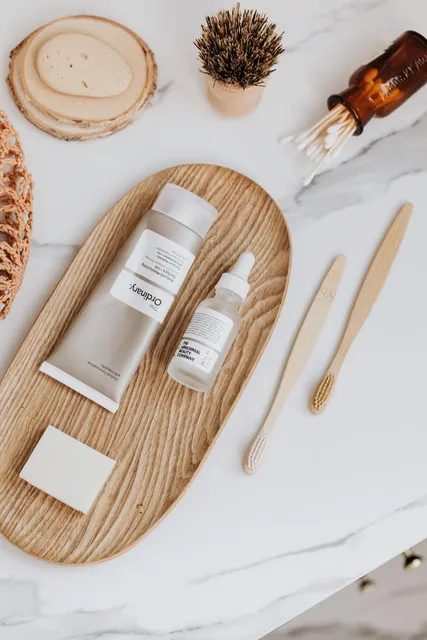
Microneedling with PRP combines two things: fine-needle treatment that prompts the skin to repair itself, and platelet-rich plasma, a concentrate made from a small sample of your own blood. The idea is that the growth factors in platelets may support the healing response that microneedling starts. Some studies suggest a modest added benefit, particularly for acne scars, but the evidence is still developing and results vary from person to person.
What PRP actually is
Blood is made up of red cells, white cells, platelets and plasma, the straw-coloured fluid they float in. Platelets are mostly known for helping blood clot, but they also release proteins called growth factors that signal cells involved in tissue repair.
To make PRP, a small tube of blood is drawn from your arm, much like a routine blood test. The tube is spun in a centrifuge, which separates the layers. The plasma layer that holds a higher concentration of platelets is then collected for use on the skin.
Because PRP comes from your own blood, there is no risk of an allergic reaction to the plasma itself. That does not mean it carries no risk, however, and preparation methods vary between systems, which is one reason study results are hard to compare.
Why combine it with microneedling?
Microneedling on its own creates thousands of tiny channels that trigger the skin's repair cycle and new collagen formation. If you want the basics of that process first, see our article on microneedling explained.
When PRP is applied during or right after microneedling, the channels allow it to reach deeper than it would on intact skin. The theory is that the extra growth factors may help the skin heal a little faster and may enhance collagen remodelling. Some PRP may also be injected into specific scars.
What the evidence says so far
This is an area where honest expectations matter. Several clinical studies, many of them small, have compared microneedling alone with microneedling plus PRP, most often for acne scars. A number of these found somewhat greater improvement or shorter redness with PRP added. Others found little difference.
The research has real limits:
- Many studies involve small groups of people and short follow-up periods.
- Methods for preparing PRP differ, so one study's PRP may not match another's.
- Results are often judged by appearance, which can be subjective.
Overall, PRP is most accurately seen as a possible add-on that may modestly improve results for some people, especially with atrophic (indented) acne scars. It is not essential for microneedling to be helpful, and for general texture or fine lines the case for adding it is less clear. A conversation about whether the potential benefit is worth the extra time and cost for your situation is reasonable.
How a session works
A typical appointment follows these steps:
- Review and consent. Your medical history, medications and goals are discussed, along with risks and alternatives.
- Numbing. A topical anaesthetic cream is applied to the face and left on while the PRP is prepared.
- Blood draw. A small amount of blood is taken from your arm.
- Processing. The sample is spun in a centrifuge for several minutes to separate the platelet-rich layer.
- Treatment. The skin is cleansed, microneedling is performed, and PRP is applied over the treated area and sometimes injected into scars.
The whole visit usually takes longer than microneedling alone because of the blood draw, processing and numbing time. Plan for one to two hours.
Who should not have it, or should wait
Some conditions make PRP or microneedling unsuitable, or mean treatment should be postponed. These include:
- Pregnancy or breastfeeding, when elective procedures are generally deferred
- Active skin infection, cold sores, open wounds or an active acne flare in the area
- Low platelet counts, platelet function disorders or other blood disorders
- Blood-thinning or antiplatelet medication, which should be discussed in advance; never stop a prescribed medication without talking to your prescriber
- Active cancer or chemotherapy, or a serious systemic infection
- A history of keloid scarring
- Recent isotretinoin use, which needs individual discussion about timing
Anti-inflammatory pain relievers such as ibuprofen may interfere with platelet function, so you may be asked about them beforehand. Bring a list of everything you take, including supplements.
Risks and side effects
Expected effects include redness, mild swelling, tenderness and a feeling of tightness for one to three days, often followed by light flaking. Bruising can occur at the blood-draw site and occasionally on the face.
Less common risks include infection, cold sore reactivation, acne flares, and temporary changes in skin colour, particularly with sun exposure or in deeper skin tones. Feeling light-headed during a blood draw is possible, so let the team know if this has happened to you before. Scarring is rare but possible.
Call the clinic if you develop worsening pain, pus, spreading redness, blisters or fever after treatment.
Aftercare
Many clinicians suggest leaving PRP on the skin for several hours before the first gentle wash. After that, simple care helps the skin recover:
- Use a mild cleanser and plain moisturiser for the first few days.
- Avoid makeup for about a day, or as advised.
- Pause retinoids, exfoliating acids and scrubs for about a week.
- Skip hot yoga, saunas, swimming and strenuous workouts for a day or two.
- Protect your skin from the sun with shade, a hat and broad-spectrum sunscreen once the skin can tolerate it.
Most people plan for a few days of visible redness rather than returning to social events the next day.
Frequently asked questions
How many sessions are usually recommended?
Plans often involve three or more sessions about four to six weeks apart, depending on the concern. Scarring generally needs more sessions than general skin refreshing.
Is the blood draw large?
No. It is typically similar in size to a routine blood test, taken from a vein in the arm.
Is PRP the same thing used for hair loss?
The preparation is similar, but on the scalp it is injected rather than applied after microneedling. Our article on PRP for hair loss covers that use and its evidence separately.
Can I have it if I am nervous about needles?
Many people with needle worries manage well with numbing cream and lying down for the blood draw. Let the team know ahead of time so they can go at your pace.
If you are weighing microneedling with or without PRP, a consultation can help you decide based on your skin and goals. At HealthPark Medical Aesthetics, the discussion includes whether the add-on is likely to be worthwhile for you, and choosing the simpler option is always reasonable.
Keep reading

Body & skin
What Happens at a Skin Consultation
What to expect at a skin consultation: medical and skincare history, skin examination, setting priorities, discussing options including no treatment, and fees.
Read article
Body & skin
Mixing Skincare Actives: Which Combinations Irritate
Which skincare actives clash, such as retinoids with strong acids, how to split actives between morning and night, and how to layer without harming the barrier.
Read article
Body & skin
Microneedling for Acne Scars: What to Expect
Which acne scar types tend to respond to microneedling, the usual treatment series, combining it with other methods, and why improvement builds over months.
Read article