
Body & skin
Microneedling Explained
How microneedling uses tiny controlled punctures to prompt collagen repair, what it can help with, how many sessions are typical, and what recovery is like.
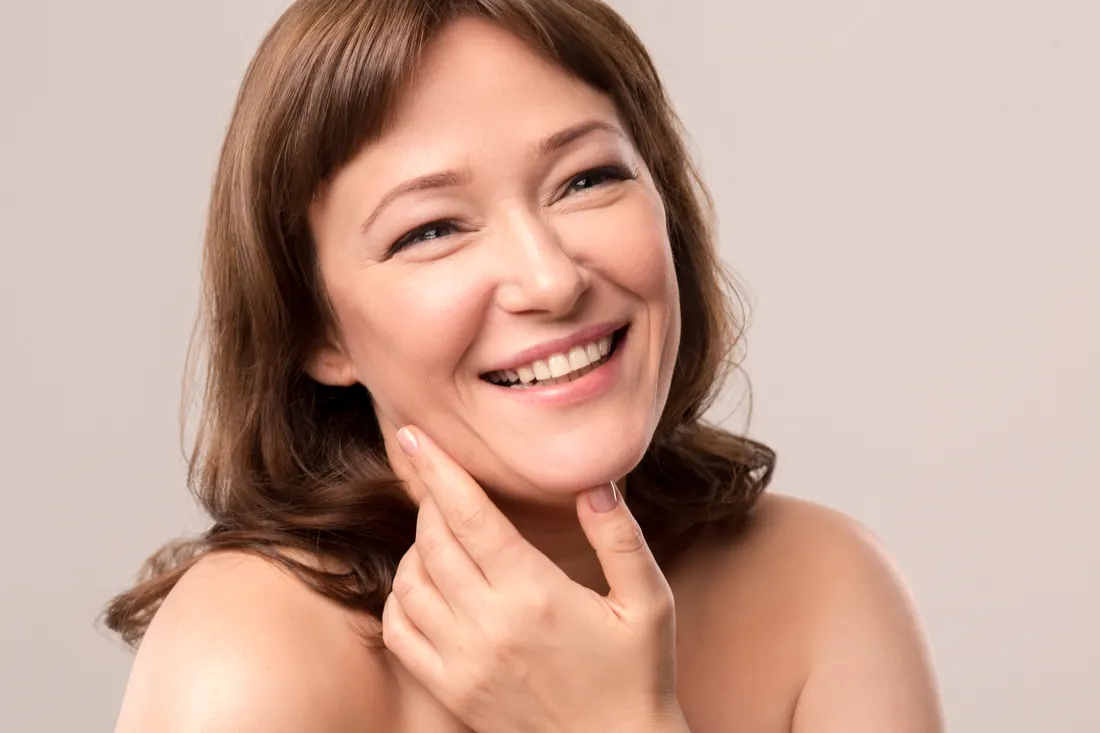
Microneedling is a treatment that uses a device with very fine, sterile needles to make thousands of tiny, controlled punctures in the skin. The skin responds to these small injuries by starting its normal repair process, which includes producing new collagen and elastin over the following weeks. It is mainly used to improve skin texture, mild acne scarring and fine lines, and results build gradually over a series of sessions.
How the skin responds to tiny injuries
Your skin is always repairing itself. When it is injured, it moves through a predictable sequence: a short inflammatory phase, a phase where new tissue is built, and a longer remodelling phase where that tissue matures and reorganises. Microneedling deliberately triggers this sequence on a very small scale.
Because each channel is narrow and the surrounding skin is left intact, the skin can heal quickly from the edges of each puncture. Over the next several weeks, fibroblasts (the cells that make collagen) lay down new supportive fibres. This is why the treatment is sometimes called "collagen induction therapy."
The depth of the needles is adjusted to the area being treated. Thin skin around the eyes needs a much shallower setting than the cheeks or an area of scarring. Choosing the right depth is a medical judgment, not a one-size-fits-all setting.
What microneedling can and cannot help with
Microneedling is most useful for concerns that sit in the texture and quality of the skin itself. Commonly treated concerns include:
- Rough or uneven skin texture
- Mild to moderate rolling acne scars
- Fine lines, especially on the cheeks and around the mouth
- Enlarged-looking pores, which may appear tighter as skin quality improves
- Some types of stretch marks and flat scars
It is less helpful for deep "ice pick" scars, significant skin laxity, deep folds, volume loss or wrinkles caused by muscle movement. Those concerns are usually better addressed with other tools, such as wrinkle-relaxing injections, filler or laser resurfacing. If acne scarring is your main concern, our article on laser treatment for acne scars explains how different scar types respond to different approaches.
Improvement is typically gradual and moderate. Many people notice smoother, more even-looking skin, but microneedling does not erase scars or lines completely, and results vary from person to person.
What happens during a session
A visit usually begins with a review of your medical history, medications and skin concerns. The skin is cleansed thoroughly, and a topical numbing cream is often applied and left on for a period of time to improve comfort.
The device is then moved across the skin in a systematic pattern. Most people describe a vibrating, scratchy or sandpaper-like sensation, with more sensitivity over bony areas such as the forehead and upper lip. Pinpoint bleeding is common and expected.
A calming, simple product may be applied afterward. The treatment itself usually takes well under an hour, though numbing time adds to the total visit length.
How many sessions are usually needed
Because collagen remodelling takes time, microneedling is usually planned as a series rather than a single visit. A common approach is three to six sessions spaced about four to six weeks apart, though the exact number depends on the concern and how your skin responds.
Scarring usually needs more sessions than general texture improvement. Changes continue to develop for several months after the last session, so it is reasonable to judge results around three to six months after finishing a series. Some people choose occasional maintenance sessions afterward, but this is optional and should be based on your goals.
Recovery and downtime
Most people have redness similar to a moderate sunburn for one to three days. The skin may feel tight, warm or slightly swollen, and mild flaking can follow for a few days after that. Small bruises are possible, especially in thinner areas.
General aftercare usually includes:
- Keeping the skin clean and using only gentle, fragrance-free products for the first few days
- Avoiding makeup for about 24 hours, or as advised
- Skipping retinoids, exfoliating acids and scrubs until the skin has settled, often about a week
- Avoiding heavy sweating, saunas and swimming pools for a day or two
- Strict sun protection, since freshly treated skin is more prone to irritation and pigment changes
Most people can return to desk work within a day or two, but plan around visible redness if you have an important event.
Who should not have microneedling, or should wait
Microneedling is not suitable for everyone. You may need to postpone or avoid it if you have:
- Active acne breakouts, infection, cold sores or open wounds in the treatment area
- Active eczema, psoriasis or rosacea flares on the face
- A history of keloid or raised scarring
- Recent isotretinoin use; timing should be discussed with the treating physician
- A bleeding disorder, or if you take blood-thinning medication (do not stop any prescribed medication on your own; discuss it first)
- Pregnancy, when elective procedures are generally deferred
- Recent sunburn or significant tanning
If you have a history of cold sores, preventive antiviral medication may be considered before treating around the mouth. Any unexplained or changing spots should be checked by your family doctor or a dermatologist before cosmetic treatment.
Risks and side effects
Common, short-lived effects include redness, swelling, tenderness, dryness and pinpoint bleeding. Less common risks include infection, cold sore reactivation, acne flares, and temporary darkening or lightening of the skin, which is more likely in deeper skin tones or with sun exposure.
Rarely, people develop small bumps or reactions to products applied to the skin during or after treatment. Track marks or scarring can occur, particularly when devices are used incorrectly. This is one reason home rollers are not a substitute for a medical treatment: they cannot be sterilised to the same standard, and inconsistent technique increases the chance of irritation and infection.
Contact the clinic promptly if you notice increasing pain, pus, spreading redness, fever or blisters after treatment.
Frequently asked questions
Does microneedling hurt?
With numbing cream, most people find it tolerable. You will feel pressure and a scratchy sensation, and some areas are more sensitive than others. Comfort can be adjusted during the session.
Can microneedling be combined with other treatments?
Yes, it is sometimes paired with other treatments, but timing matters. Some people choose to add platelet-rich plasma; our article on microneedling with PRP covers what the evidence does and does not show. Injectables and peels are usually scheduled on separate days.
Is microneedling safe for darker skin tones?
Because it does not rely on heat or light that targets pigment, microneedling can be an option for many skin tones. The risk of temporary pigment change is still present, so careful settings and sun protection are important.
When will I see a difference?
Some people notice a fresher look within a week or two once redness settles. Changes from new collagen take longer and are usually assessed several months after a series.
If you are curious whether microneedling fits your skin concerns, a consultation is a good place to start. At HealthPark Medical Aesthetics, a medical assessment comes first, and sometimes a simpler skincare plan or a different treatment is the more sensible choice. You are welcome to ask questions and take your time deciding.
Keep reading

Body & skin
What Happens at a Skin Consultation
What to expect at a skin consultation: medical and skincare history, skin examination, setting priorities, discussing options including no treatment, and fees.
Read article
Body & skin
Mixing Skincare Actives: Which Combinations Irritate
Which skincare actives clash, such as retinoids with strong acids, how to split actives between morning and night, and how to layer without harming the barrier.
Read article
Body & skin
Microneedling for Acne Scars: What to Expect
Which acne scar types tend to respond to microneedling, the usual treatment series, combining it with other methods, and why improvement builds over months.
Read article