
Body & skin
Medical-Grade Skincare vs Drugstore Products
What "medical-grade" skincare does and does not mean, how ingredient strength and formulation matter, and how to judge products by evidence, not labels.
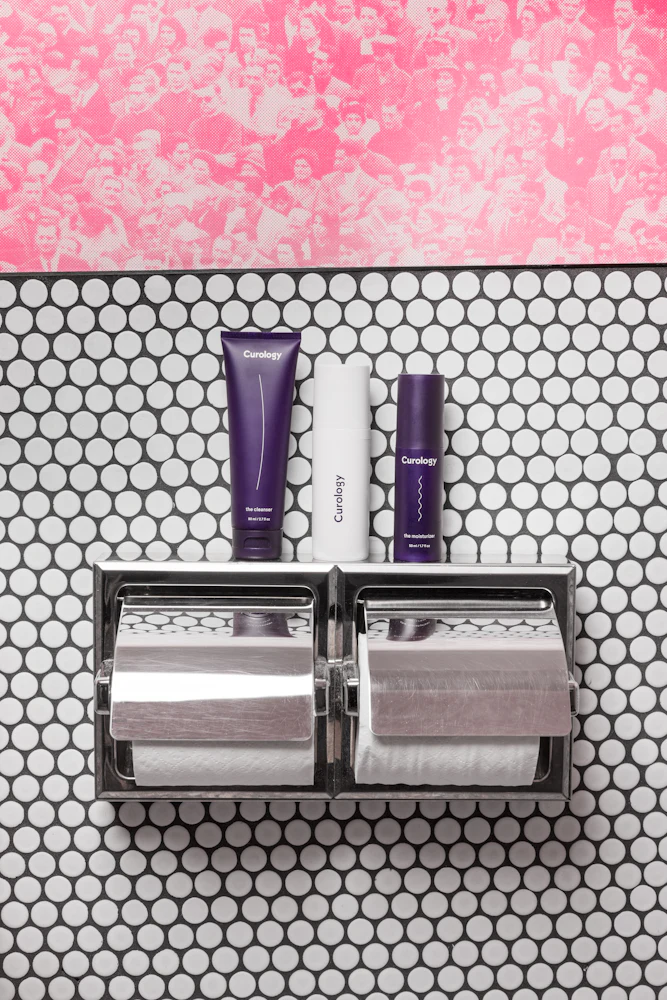
"Medical-grade" is a marketing term, not an official category. In Canada, skincare is regulated either as a cosmetic or, if it makes certain therapeutic claims, as a drug or natural health product, and there is no separate approval for "medical-grade." Some clinic-dispensed products do contain higher concentrations or more carefully formulated active ingredients, but plenty of well-made drugstore products work well too. What matters most is the ingredient, its strength and formulation, and whether it suits your skin.
How skincare is actually regulated in Canada
Health Canada sorts skin products into a few groups based mainly on what they claim to do and what they contain. Most moisturisers, cleansers and serums are cosmetics. Cosmetics must list their ingredients and meet safety rules, but they are not reviewed for effectiveness before sale.
Products that claim to treat or prevent a condition, such as sunscreens, acne treatments with benzoyl peroxide or salicylic acid, and some skin-lightening products, are regulated as non-prescription drugs or natural health products. These carry a product number such as a DIN or NPN on the label. Some ingredients, like tretinoin and higher-strength hydroquinone, are prescription-only.
A product sold in a clinic and a product sold in a pharmacy can fall into exactly the same category. The word "medical-grade" on its own tells you nothing about regulatory status.
What can genuinely differ
That said, products are not all equal. Real differences tend to come from a handful of factors:
- Concentration: some products contain an active ingredient at a level more likely to produce a visible effect, while others include it in small amounts mainly for the label.
- Formulation and stability: ingredients like vitamin C and retinol break down with light and air. Packaging, pH and the other ingredients in the formula affect whether the active stays effective.
- Delivery: how well an ingredient reaches the layer of skin where it works depends on the base it is in.
- Guidance: a product chosen after a skin assessment is more likely to match your needs than one chosen from an advertisement.
Higher concentration is not always better. Stronger actives often cause more irritation, and irritated skin can become red, flaky or darker in patches. For many people, a moderate strength used consistently does more good than a strong product used sporadically.
Ingredients with reasonable evidence
Whatever the price or source, these ingredients have a reasonable body of research behind them for particular concerns:
- Broad-spectrum sunscreen — the most important product for preventing sun damage, pigmentation and skin cancer
- Retinoids — vitamin A derivatives that support cell turnover and collagen, used for fine lines, texture and acne
- Vitamin C (ascorbic acid) — an antioxidant that may help with brightness and support sun protection
- Niacinamide — a form of vitamin B3 that may help with redness, oiliness and uneven tone
- Alpha and beta hydroxy acids — exfoliating acids for texture and clogged pores
- Azelaic acid — used for acne, rosacea and some pigmentation
- Ceramides, glycerin and hyaluronic acid — moisturising ingredients that support the skin barrier
Many claims attached to trendy ingredients rest on laboratory studies, small trials or manufacturer-funded research. Evidence for something like a plant stem cell extract is very different from evidence for sunscreen. Our articles on retinoids and vitamin C serums look at two of these ingredients in more depth.
Reading past the marketing
Skincare advertising leans on words that sound scientific but have no fixed meaning. "Clinical," "dermatologist-developed," "clean," "pharmaceutical-grade" and "medical-grade" can all appear on products of very different quality. A few practical habits help:
- Look at the ingredient list, not the front of the bottle. Actives listed near the end are usually present in small amounts.
- Check whether the concentration of the key active is stated.
- Consider packaging. Airtight, opaque containers protect fragile ingredients better than open jars.
- Be cautious about "before and after" images and claims of dramatic change in days.
- Remember that a higher price does not by itself mean a better product.
It also helps to be wary of routines that require many products at once. Using more items increases the chance of irritation and makes it harder to tell which product is helping or causing a problem. Adding one new product at a time, and giving it several weeks, gives you clearer answers.
When clinic guidance helps
The main value of seeing a medical professional about skincare is usually not the product itself; it is the assessment. Persistent acne, rosacea, eczema, melasma or a changing spot may need diagnosis and sometimes prescription treatment from a family doctor or dermatologist. A professional can also help you avoid combinations that irritate, such as stacking several exfoliating products.
Certain situations call for extra care with active ingredients:
- Pregnancy and breastfeeding, when retinoids should be avoided and some other actives discussed with your doctor
- Very sensitive skin or an active skin condition
- Recent procedures such as peels, laser or microneedling
- Use of prescription topical or oral acne medications
Common side effects of active products include stinging, dryness, peeling, redness and, occasionally, allergic reactions. Patch testing a new product on a small area for a few days can help catch problems early.
Frequently asked questions
Do I need to buy skincare from a clinic?
No. Many effective products are widely available in pharmacies. A clinic can help you choose, but you should never feel pressured to purchase products as part of a treatment.
Is a more expensive serum more effective?
Not necessarily. Price often reflects branding, packaging and marketing. Formulation, concentration and suitability for your skin are better guides than cost.
How long before I can tell if a product works?
Moisturisers can make skin feel better within days, but ingredients such as retinoids and pigment-targeting products often take two to three months of consistent use before changes become noticeable. Stop and seek advice if a product causes ongoing irritation.
Keeping it practical
The most useful routine is usually a simple one built from a few proven ingredients that you will actually use. Whether those products come from a pharmacy or a clinic matters far less than consistency and sun protection. For a step-by-step starting point, read building a simple, effective skincare routine. If you would like help sorting through options for your skin, HealthPark Medical Aesthetics can offer an assessment and honest guidance, including when no new product is needed.
Keep reading

Body & skin
What Happens at a Skin Consultation
What to expect at a skin consultation: medical and skincare history, skin examination, setting priorities, discussing options including no treatment, and fees.
Read article
Body & skin
Mixing Skincare Actives: Which Combinations Irritate
Which skincare actives clash, such as retinoids with strong acids, how to split actives between morning and night, and how to layer without harming the barrier.
Read article
Body & skin
Microneedling for Acne Scars: What to Expect
Which acne scar types tend to respond to microneedling, the usual treatment series, combining it with other methods, and why improvement builds over months.
Read article