
Fotona laser
Laser Resurfacing vs Chemical Peels: How They Compare
How laser resurfacing and chemical peels differ in depth control, concerns treated, downtime, skin-type suitability and how often they are repeated, plus risks.
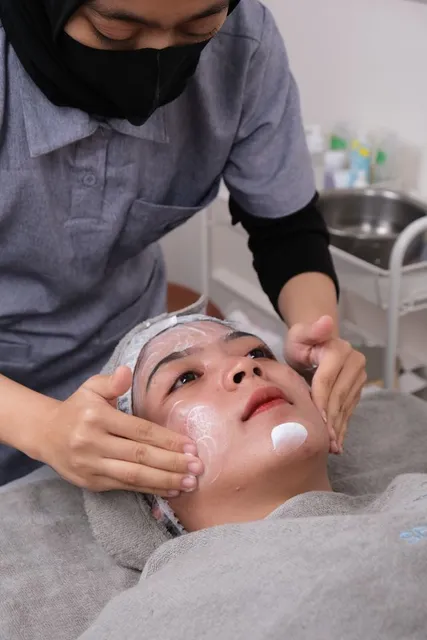
Laser resurfacing and chemical peels both improve the skin by removing or injuring outer layers in a controlled way so that fresh skin and new collagen can form. The main differences are how precisely the depth can be controlled, which concerns each handles well, how much downtime follows, and how they suit different skin tones. Neither is better in every situation; the right choice depends on your skin and goals.
How each one works
A chemical peel uses an acid solution applied to the skin. Depending on the acid and its strength, it loosens and removes dead surface cells (a superficial peel) or reaches into the upper dermis (a medium-depth peel). Common acids include glycolic, lactic, salicylic and trichloroacetic acid. The skin then sheds and renews over days. For more detail, see chemical peels explained.
Laser resurfacing uses light energy. Ablative lasers, such as the Er:YAG wavelength used on a Fotona device, vaporise very thin layers of skin. Fractional lasers treat a grid of tiny columns and leave untreated skin in between, which speeds healing. Non-ablative settings heat the deeper layers without removing the surface. The goal in each case is to trigger repair and collagen remodelling.
Depth control
This is one of the biggest differences. With a laser, the clinician sets the depth, energy and pattern on the device, and can adjust them for different parts of the face during the same session. That makes it possible to treat around the mouth more deeply than the cheeks, for example.
A peel's depth depends on the acid, its concentration, how it is applied, how long it stays on, and the condition of your skin that day. Experienced clinicians control this carefully, but the result is somewhat less precise, particularly at medium depth. Superficial peels are very predictable; deeper peels require more caution.
Concerns each handles well
There is a lot of overlap, but some general patterns:
- Dullness, mild uneven tone and rough texture: superficial peels and gentle laser both work well, often in a series.
- Active acne and clogged pores: salicylic acid peels are a common choice alongside medical acne care.
- Fine lines and sun damage: both can help; laser can target specific areas such as around the eyes more precisely.
- Acne scars and deeper wrinkles: fractional or ablative laser resurfacing is generally more effective than superficial peels.
- Melasma: gentle, superficial peels are sometimes used carefully; laser for melasma requires a very cautious approach because it can make it worse.
Downtime
Downtime varies more with depth than with method. Superficial peels may cause a day or two of pinkness and light flaking. Light laser treatments are similar. Medium-depth peels typically cause redness, darkening and visible peeling for about a week. Ablative or deeper fractional laser can mean several days to a week or more of redness, swelling and crusting, with pinkness that may last weeks.
Plan treatments around work, events and sun exposure. Neither method is a lunch-break fix at deeper settings.
Skin-type suitability
Both treatments carry a higher risk of pigment change in medium to darker skin. Superficial peels with certain acids are often well tolerated in darker skin when done carefully with good preparation. Some lasers can also be used in darker skin with conservative, carefully chosen settings, but deeper resurfacing in darker skin raises the risk of dark or light patches. A test area and pre-treatment skincare are often recommended. Your history of darkening after cuts, acne or burns is an important clue.
How often treatments are repeated
Superficial peels are often done in a series, perhaps every few weeks, and repeated periodically for maintenance. Medium-depth peels are done less often, sometimes once or twice a year. Gentle laser treatments may also be done in a series. Deeper laser resurfacing is usually done less frequently, with months between sessions to allow full healing and collagen remodelling.
Preparing your skin for either option
Preparation is similar for both. Daily sunscreen for several weeks beforehand helps lower the risk of pigment change. In some cases, especially for darker skin or a history of dark marks, your clinician may suggest a period of gentle pre-treatment skincare. Strong retinoids and exfoliating acids are usually paused for a few days before treatment, and you will be asked about recent sun exposure, cold sores and medicines.
Making the choice
For someone with mild dullness and early sun damage on a busy schedule, a series of superficial peels may be a sensible start. For someone with deeper acne scars or textured skin who can plan for recovery time, fractional laser may fit better. Some people are best served by improving their daily skincare first, and some concerns, such as active acne or rosacea, need medical treatment before either option. A consultation can sort out which situation applies to you.
Who should not have either, or should wait
- People who are pregnant or breastfeeding, for most resurfacing treatments
- Anyone with an active cold sore, infection, eczema or rosacea flare in the area
- Those who have taken isotretinoin recently
- People with a recent tan or sunburn
- Those with a history of keloids or poor wound healing, who need a careful discussion
- People taking light-sensitising medicines; never stop prescriptions on your own, but bring a full list
If you get cold sores, preventive antiviral medicine may be discussed with your physician before deeper treatments.
Main risks
Both treatments share similar risks: redness, swelling, peeling, temporary darkening or lightening of the skin, infection, cold sore flares and, uncommonly, scarring. Deeper treatments carry higher risks. Strict sun protection before and after either method lowers the risk of pigment problems.
Frequently asked questions
Can I combine a peel and laser?
Sometimes, but not on the same day or close together. A plan may alternate gentle treatments over months. Your clinician will space them to protect your skin barrier.
Which is gentler for sensitive skin?
It depends on the type of sensitivity. Very superficial peels or light laser settings may suit some sensitive skin, while rosacea or eczema may need medical treatment first.
Do I need a series for either?
Superficial treatments usually work best as a series. Deeper treatments may be done once or twice, with more downtime.
If you are weighing a chemical peel against laser resurfacing, a consultation at HealthPark Medical Aesthetics can look at your skin type, concerns and schedule, and explain which option, or neither, makes sense for you.
Keep reading
Fotona laser
Skincare Before and After Laser: Prep and Recovery
Which skincare products to pause before laser, priming pigment-prone skin, barrier-repair care during recovery, and when it is usually safe to restart actives.
Read article
Fotona laser
Small Bumps Around the Eyes: Syringomas and Milia
How to tell syringomas from milia, why these harmless bumps around the eyes can recur, careful Er:YAG laser treatment, gentle alternatives and main risks.
Read article
Fotona laser
Underarm Laser Hair Removal: What to Know
Underarm laser hair removal explained: shaving and deodorant before treatment, effects on ingrown hairs and darkening, sweating myths and typical sessions.
Read article