
Fotona laser
Laser for Crepey Skin on the Arms and Knees
What causes crepey, loose skin on the arms and knees, how heat-based laser tightening may help, the modest change to expect, sessions, risks and supportive care.
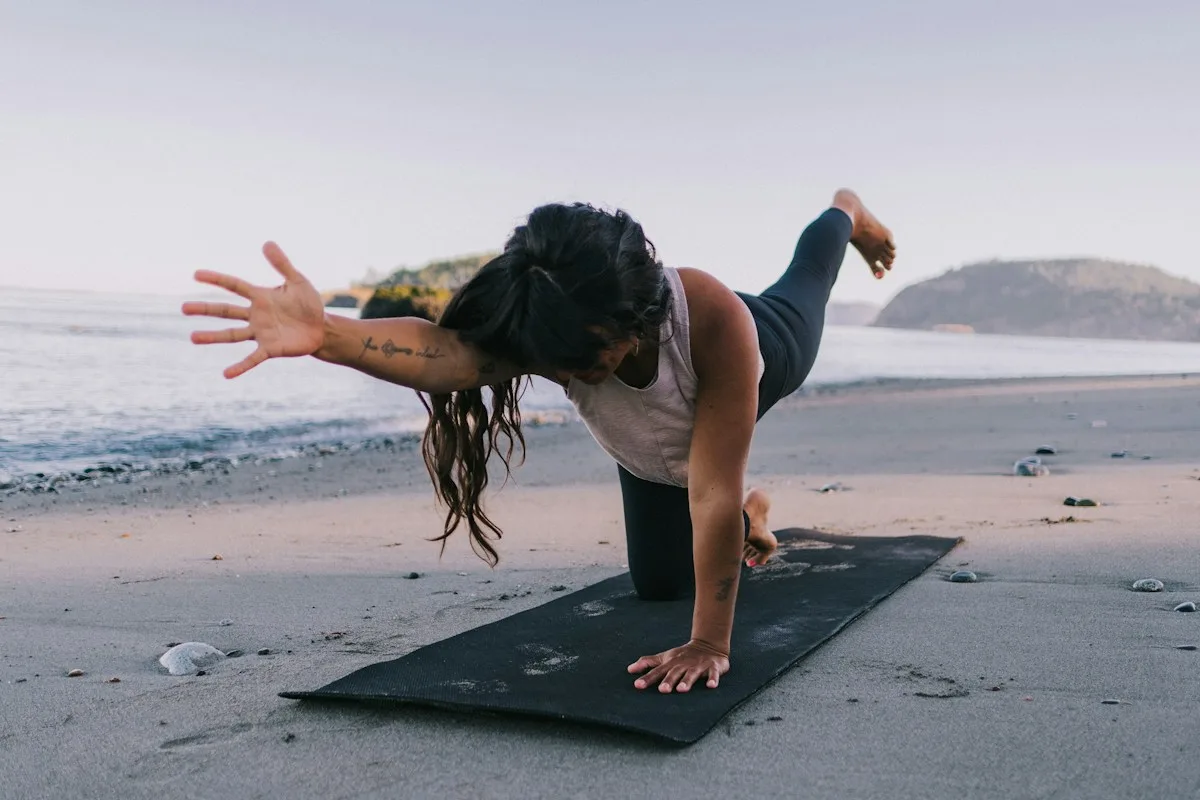
Laser can modestly improve crepey texture and mild looseness on the upper arms and above the knees by heating deeper skin layers to encourage new collagen. Change is gradual, usually takes a series of sessions, and is more subtle than on the face. It works best for mild crinkling and thinning, not for heavy, hanging skin, where surgery is the only option that removes excess tissue.
What "crepey" skin is
Crepey skin looks thin and finely wrinkled, a bit like crepe paper, and often crinkles when you bend or lift your arm. Above the knees it can gather into soft folds. It is different from fat or from skin that simply sits loosely over muscle, although these often appear together.
Common causes include:
- Natural ageing, which thins the dermis and reduces collagen and elastin.
- Sun exposure over many years, especially on the outer arms during summers outdoors.
- Weight changes, where skin was stretched and has not fully recoiled.
- Genetics, which influence skin thickness and elasticity.
- Some medicines, such as long-term corticosteroids, which can thin the skin. Do not stop prescribed medicine; discuss concerns with your physician.
Why body skin responds differently
Body skin heals more slowly than facial skin. It has fewer oil glands and hair follicles, which are the structures the skin uses to regrow after deeper treatment. That means aggressive resurfacing on the arms or legs carries more risk of slow healing, scarring and lasting pigment change.
For this reason, laser plans for the arms and knees are usually gentler than for the face, relying mainly on non-ablative heating, sometimes with light fractional passes for surface texture. The aim is steady improvement with limited downtime rather than dramatic change. For more on how heat tightens skin, see laser skin tightening.
What treatment involves
Each session typically lasts 30 to 60 minutes, depending on the area. The skin is cleaned, and the laser is passed over the area in a set pattern, often with long, low-intensity pulses that build warmth gradually. Most people describe a hot, prickly sensation. Cooling may be used for comfort.
Afterwards the skin is usually pink and warm for a few hours, sometimes with mild swelling. If a light resurfacing pass is added, there may be a few days of roughness or flaking. Most people return to normal activities the same day, with care to avoid heavy sweating and hot baths for a short time.
How many sessions and how much change
A series of about three to six sessions, spaced several weeks apart, is common. Collagen remodelling continues for months, so the final effect is often judged three to six months after the last treatment. Occasional maintenance sessions may be suggested, as the ageing process continues.
Realistic expectations matter here. Many people notice skin that looks a little smoother, less crinkled and slightly firmer. The change is often described as subtle rather than striking, and some people see little difference. Laser does not remove excess skin, reduce fat meaningfully or reshape the arm. Results vary from person to person.
Other options to know about
Laser is one of several approaches for body skin texture, and it is worth knowing the alternatives before deciding:
- Radiofrequency heats tissue with electrical energy rather than light and is often used on larger body areas.
- Microneedling creates tiny controlled injuries to stimulate collagen, with a few days of redness.
- Chemical peels designed for the body can soften rough texture and sun damage.
- Surgery, such as an arm lift, is the only option that removes significant excess skin, with a scar and longer recovery.
Sometimes the most suitable plan is simply daily sun protection and a good body moisturiser, especially for early changes.
Who should not have treatment, or should wait
- People with significant hanging skin after major weight loss, where a surgical consultation may be more useful. See skin laxity after weight loss.
- Pregnancy, when elective laser is usually postponed.
- A current tan or sunburn on the arms or legs.
- Active rash, eczema flare, infection or open skin in the area.
- Medicines that increase light sensitivity or slow healing, or recent isotretinoin. Bring a full list to your consultation and never stop anything on your own.
- Poorly controlled diabetes, circulation problems in the legs, a history of keloids, or autoimmune conditions affecting the skin. Your family doctor may need to be involved.
- Unexplained spots or moles in the area, which should be checked first.
Risks and side effects
Common effects are redness, warmth and mild swelling for hours to a day or two. Less common risks include blistering, burns, temporary darkening or lightening of the skin and, rarely, scarring or infection. Because body skin heals more slowly, any wound on the arms or legs needs careful attention. Contact the clinic if you notice blisters, crusting that spreads, or signs of infection.
Supportive skin care
Home care cannot rebuild lost collagen on its own, but it helps protect results and can improve texture:
- Daily broad-spectrum sunscreen on the arms and legs when they are exposed, especially in summer.
- A moisturiser containing ingredients such as urea, lactic acid or ceramides to soften roughness and support the barrier.
- A body retinoid, introduced slowly, which may help texture over months. Ask before using it near treatment dates.
- Regular strength training, which improves the muscle beneath the skin and can make the arms look firmer overall.
- Not smoking, as smoking breaks down collagen.
Frequently asked questions
Is radiofrequency a better choice for arms?
Radiofrequency is another option for body skin and is often used on larger areas. Neither is clearly better; the choice depends on your skin and goals.
Can laser remove the loose skin above my knees?
It may soften crinkling and add slight firmness, but it cannot remove folds of excess skin.
When should I schedule treatment?
Fall and winter often suit, because arms and legs are covered and easier to protect from sun.
If crepey skin on your arms or knees bothers you, a consultation at HealthPark Medical Aesthetics can look at what is causing it and discuss whether gentle laser, supportive skin care or a different approach is most likely to meet your goals.
Keep reading
Fotona laser
Skincare Before and After Laser: Prep and Recovery
Which skincare products to pause before laser, priming pigment-prone skin, barrier-repair care during recovery, and when it is usually safe to restart actives.
Read article
Fotona laser
Small Bumps Around the Eyes: Syringomas and Milia
How to tell syringomas from milia, why these harmless bumps around the eyes can recur, careful Er:YAG laser treatment, gentle alternatives and main risks.
Read article
Fotona laser
Underarm Laser Hair Removal: What to Know
Underarm laser hair removal explained: shaving and deodorant before treatment, effects on ingrown hairs and darkening, sweating myths and typical sessions.
Read article