
Body & skin
Checking Your Moles: When to See Your Doctor
How to do a monthly skin self-check, the ABCDE signs of melanoma, why changing spots need a doctor, and why cosmetic treatment waits for a diagnosis.
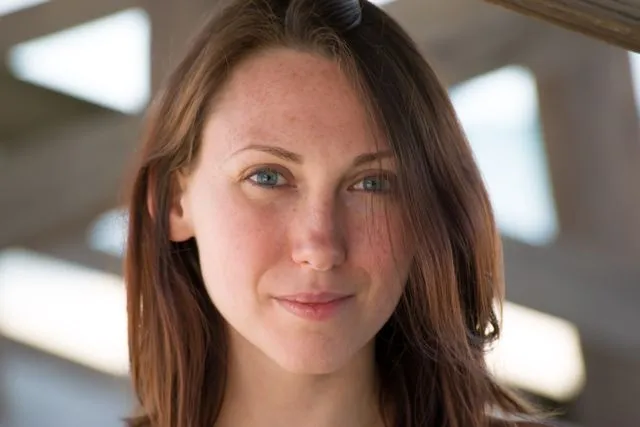
See your family doctor about any mole or spot that is new in adulthood, changing, looks different from your other moles, or is itchy, bleeding or not healing. Most moles are harmless, but checking your skin regularly helps catch skin cancer early, when it is most treatable. A quick monthly self-check and the ABCDE guide are simple tools anyone can use.
Moles and skin cancer: the basics
Moles, or naevi, are clusters of pigment cells. Most adults have somewhere between a handful and several dozen, and most appear in childhood and early adulthood. The vast majority stay harmless for life.
Skin cancer is the most common cancer in Canada. The three main types are basal cell carcinoma, squamous cell carcinoma and melanoma. Basal and squamous cell cancers are more common and often appear as pearly bumps, scaly patches or sores that do not heal on sun-exposed skin. Melanoma is less common but more serious, and it can develop in an existing mole or as a new spot. Finding it early makes a significant difference to outcomes.
Who should be especially watchful
Anyone can develop skin cancer, including people with darker skin, but risk is higher if you:
- Have fair skin, light eyes, red or blonde hair, or burn easily
- Have many moles, or several large or unusual-looking moles
- Have a personal or family history of melanoma or other skin cancer
- Had blistering sunburns, especially in childhood, or have used tanning beds
- Work or spend a lot of time outdoors
- Have a weakened immune system, for example after an organ transplant
In people with darker skin, melanoma more often appears on the palms, soles, under the nails or inside the mouth, so these areas deserve attention too.
The ABCDE warning signs
The ABCDE guide describes features that make a mole worth showing to a doctor:
- A – Asymmetry: one half does not match the other.
- B – Border: edges are ragged, notched, blurred or irregular.
- C – Colour: uneven colour, with several shades of brown, black, or areas of red, white, grey or blue.
- D – Diameter: larger than about 6 millimetres, roughly the size of a pencil eraser, though melanomas can be smaller.
- E – Evolving: any change in size, shape, colour, height or symptoms such as itching, crusting or bleeding.
"Evolving" is often considered the most important sign. Doctors also use the "ugly duckling" idea: a mole that looks different from all your others deserves a closer look, even if it does not fit the ABCDE list.
How to do a skin self-check
Once a month is a reasonable rhythm. You will need good lighting, a full-length mirror, a hand mirror, and ideally a partner or family member to check your back and scalp.
- Look at your face, ears, neck and scalp. Part your hair in sections or use a hair dryer to help.
- Check the front and back of your body, then raise your arms to check your sides and underarms.
- Examine your arms, hands, palms, fingernails and between your fingers.
- Sit down and check your legs, the soles of your feet, between your toes and under your toenails.
- Use the hand mirror to check your back, buttocks and genital area.
Taking photos of larger or unusual moles with a ruler or coin beside them helps you track changes over time. Some people use smartphone apps to store images, but apps that claim to diagnose skin cancer are not a substitute for a medical examination.
What happens at the doctor's office
Your family doctor will look at the spot, often with a dermatoscope, a handheld magnifier with a light. If the mole looks concerning, they may remove it or take a small sample (biopsy) for laboratory testing, or refer you to a dermatologist. Biopsy is a quick procedure done under local anaesthetic. Many spots turn out to be harmless, and that reassurance is a good outcome too.
Do not wait for a routine physical if a spot is changing quickly, bleeding or worrying you. Call to book a sooner appointment.
Why cosmetic treatment waits for a diagnosis
Some people hope to have a dark spot lasered or frozen off for cosmetic reasons. Treating an undiagnosed pigmented spot with laser, peels or other cosmetic methods can destroy the cells needed for diagnosis, mask a cancer or delay proper treatment. This is why responsible aesthetic providers will not treat a mole or suspicious spot until a physician has confirmed it is benign, and may refer you for assessment first.
Benign growths such as seborrheic keratoses, skin tags or cherry angiomas may be suitable for cosmetic treatment once they have been identified. See seborrheic keratoses and skin tags and laser around tattoos and moles for how providers approach these.
Prevention
Daily sun protection reduces the risk of new sun-related moles and skin cancer. Use a broad-spectrum sunscreen of SPF 30 or higher, wear hats and protective clothing, seek shade in the middle of the day, and avoid tanning beds entirely. Protecting children from sunburn is especially valuable. For more practical tips, see sunscreen year-round in Nova Scotia.
Frequently asked questions
Is it normal for a mole to change during pregnancy?
Some moles darken slightly with hormonal changes, but a mole that changes noticeably in size, shape or colour during pregnancy should still be checked by your doctor.
Should I get my moles removed to be safe?
Removing healthy moles does not prevent melanoma, which often appears as a new spot. Watching for change and seeing a doctor about concerning spots is the recommended approach.
Can a mole that has been there for years become a problem?
Yes, though most long-standing moles remain harmless. Any change in an old mole is a reason to have it checked.
Peace of mind first
Getting to know your own skin is one of the simplest health habits you can build. If you have questions about a spot, your family doctor is the right first stop. Once a spot has been confirmed as benign, HealthPark Medical Aesthetics can discuss cosmetic options, if any are appropriate, at a consultation.
Keep reading

Body & skin
What Happens at a Skin Consultation
What to expect at a skin consultation: medical and skincare history, skin examination, setting priorities, discussing options including no treatment, and fees.
Read article
Body & skin
Mixing Skincare Actives: Which Combinations Irritate
Which skincare actives clash, such as retinoids with strong acids, how to split actives between morning and night, and how to layer without harming the barrier.
Read article
Body & skin
Microneedling for Acne Scars: What to Expect
Which acne scar types tend to respond to microneedling, the usual treatment series, combining it with other methods, and why improvement builds over months.
Read article