
Body & skin
Smoking, Vaping and Your Skin: Ageing and Healing
How nicotine and smoke affect blood flow, collagen and wound healing, why they raise risks after aesthetic treatments, and where to find support to quit.
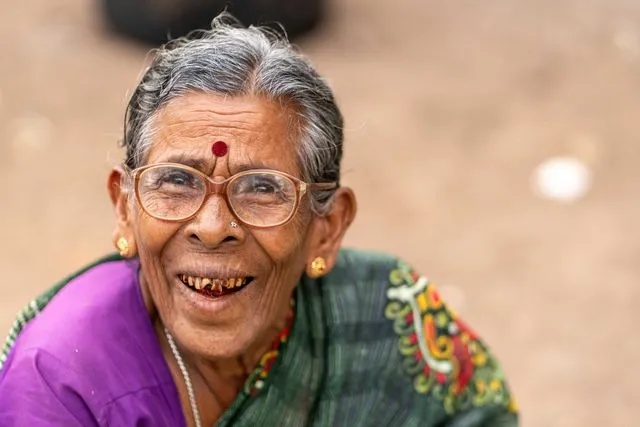
Smoking is one of the most powerful causes of premature skin ageing, second only to sun exposure, and it slows the skin's ability to heal. Nicotine narrows blood vessels and the chemicals in smoke damage collagen. Vaping avoids many of the chemicals in cigarette smoke, but it usually still delivers nicotine, so some of the same effects on blood flow and healing are likely. Quitting at any age benefits your skin and your health.
How smoking affects the skin
Skin depends on a steady supply of blood to bring oxygen and nutrients and to carry away waste. Nicotine causes small blood vessels to constrict, reducing that supply. With each cigarette, blood flow to the skin drops for a period of time; for regular smokers, that means skin spends much of the day short of oxygen.
Tobacco smoke also contains thousands of chemicals, many of which generate free radicals, unstable molecules that damage cells. These chemicals break down collagen and elastin, the proteins that keep skin firm and springy, and interfere with the skin's ability to make new collagen. Smoking also appears to lower levels of some antioxidants, including vitamin C, which skin needs for collagen production.
Visible signs over time
The effects build gradually and are often noticeable by middle age. Long-term smokers commonly develop:
- Deeper lines around the mouth, partly from the repeated pursing of the lips.
- More pronounced crow's feet, from squinting against smoke as well as collagen loss.
- A greyish or sallow complexion, related to reduced blood flow.
- Looser skin on the face, neck and upper arms.
- Uneven pigment and dark spots, especially combined with sun exposure.
- Yellow staining of fingers and nails, and slower-growing, more brittle hair.
Smoking is also linked to worse psoriasis, a higher risk of a painful skin condition called hidradenitis suppurativa, and a higher risk of some skin cancers, particularly squamous cell carcinoma of the lip and skin.
What about vaping?
E-cigarettes are newer, and long-term studies on skin are limited. What we do know is that most vaping products contain nicotine, sometimes in high concentrations, and nicotine on its own reduces blood flow to the skin. Some early research also suggests that the heated aerosol may cause oxidative stress, but how much this affects skin over years is not yet clear.
For someone who is already using vaping to step away from cigarettes, it is generally considered less harmful than continuing to smoke. For skin and healing, though, it should not be thought of as harmless, and going nicotine-free is the goal where possible. Cannabis smoking also exposes the skin and lungs to smoke, and its effects on skin are not well studied.
Smoking, vaping and wound healing
Surgeons have long known that smokers heal more slowly and have more complications after operations. Reduced blood flow and oxygen in the tissues slow the formation of new tissue, weaken the immune response to bacteria and can cause areas of skin to break down.
The same principles apply, to a smaller degree, to any treatment that injures the skin in a controlled way to stimulate repair. That includes laser resurfacing, medium-depth chemical peels, microneedling and PDO threads. For people who smoke or use nicotine, possible effects include:
- Longer redness and recovery time.
- A higher risk of infection.
- A greater risk of poor or raised scarring.
- Less collagen remodelling, which may mean a less noticeable result.
- More bruising and slower settling after injections.
Because nicotine narrows blood vessels, it is also a consideration with dermal filler, where good blood flow in the area matters for safety. Our article on filler and vascular safety explains why circulation is important.
What this means before aesthetic treatment
Smoking does not automatically rule out every treatment, but it changes the conversation. At a consultation, you should be asked about smoking, vaping and nicotine replacement, and it is important to answer honestly so that risks can be weighed properly.
For treatments that rely on healing, many clinicians advise avoiding nicotine for several weeks before and after the procedure, and some treatments may be postponed or not recommended for people who are unable to stop. The exact advice depends on the treatment and your health. Nicotine replacement products such as patches and gum still contain nicotine, so ask how they fit into your plan rather than assuming they are equivalent to quitting.
People who smoke and also have diabetes, circulation problems or autoimmune conditions face higher risks of healing problems and should discuss treatment with their family doctor or specialist first.
What improves after quitting
Some changes, like deep wrinkles and sun spots, will not reverse on their own. But blood flow to the skin begins to improve soon after stopping, and many people notice a healthier colour within weeks to months. Healing ability improves, and the ongoing damage to collagen stops. Skin responds better to sunscreen, retinoids and in-clinic treatments when it is no longer being exposed to smoke.
The benefits go far beyond appearance. Quitting lowers the risk of heart disease, stroke, lung disease and many cancers at any age.
Support for quitting
Nicotine is highly addictive, and most people need more than one attempt to quit. Support makes a real difference. Your family doctor or pharmacist can talk through options including counselling, nicotine replacement therapy and prescription medicines that help with cravings. In Nova Scotia, you can call 811 for advice on local quit-smoking support, and Health Canada's quitline can be reached at 1-866-366-3667. Do not start or stop prescription medicines without guidance from your physician.
Frequently asked questions
Will my wrinkles disappear if I quit?
Established lines will not vanish, but skin colour and healing often improve, and further damage slows. Treatments can be more effective once you are nicotine-free.
Is second-hand smoke bad for skin?
It exposes skin to the same chemicals in smaller amounts. Its main harms are to the heart and lungs, especially in children.
Do nicotine pouches affect healing?
They deliver nicotine, so they are likely to affect blood flow in a similar way. Mention them at your consultation.
How long before a treatment should I stop?
It varies by procedure. Your clinician will give specific guidance based on the treatment and your health.
If you are thinking about skin treatment and you smoke or vape, a consultation at HealthPark Medical Aesthetics is a chance to discuss risks openly, and sometimes the most useful first step is a plan to quit.
Keep reading

Body & skin
What Happens at a Skin Consultation
What to expect at a skin consultation: medical and skincare history, skin examination, setting priorities, discussing options including no treatment, and fees.
Read article
Body & skin
Mixing Skincare Actives: Which Combinations Irritate
Which skincare actives clash, such as retinoids with strong acids, how to split actives between morning and night, and how to layer without harming the barrier.
Read article
Body & skin
Microneedling for Acne Scars: What to Expect
Which acne scar types tend to respond to microneedling, the usual treatment series, combining it with other methods, and why improvement builds over months.
Read article