
Body & skin
Skin Care During Cancer Treatment: Gentle Approaches
Common skin effects of chemotherapy and radiation, gentle products and sun protection, and why aesthetic procedures wait for your oncology team's approval.
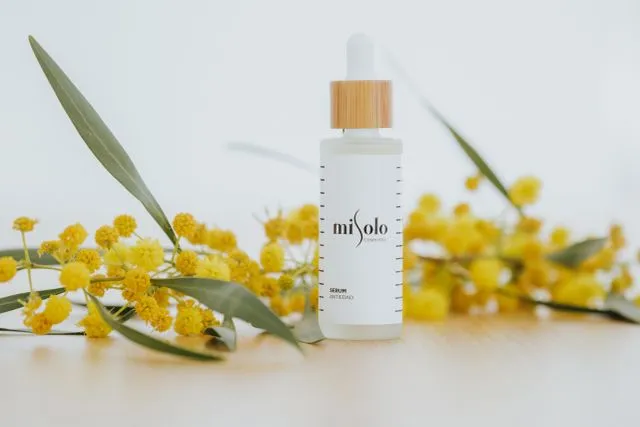
Cancer treatment often makes skin drier, more sensitive and more vulnerable to the sun, and the most helpful approach is usually a short, gentle routine agreed with your oncology team. Simple fragrance-free cleansers, rich moisturisers and careful sun protection help many people stay more comfortable. Aesthetic procedures such as injections, peels and lasers should wait until your oncologist says it is safe.
Why treatment affects the skin
Many cancer treatments target cells that divide quickly. Skin cells, hair follicles and nail cells also renew rapidly, so they are often affected along the way. Radiation damages skin in the treated area specifically, while chemotherapy, targeted therapies and immunotherapy can cause changes across the body.
Effects depend heavily on the type of treatment, the dose, and the individual. Some people notice very little; others have significant reactions. Your oncology team knows which side effects are expected with your regimen and can tell you what to watch for.
Common skin changes
- Dryness, flaking and itching, which are among the most frequent complaints with chemotherapy and many newer therapies
- Radiation dermatitis, with redness, darkening, tenderness or peeling in the treatment area, usually building over several weeks
- Acne-like rashes, particularly with some targeted therapies; these are not ordinary acne and need different care
- Increased sun sensitivity, which can mean faster burning or pigment changes
- Hand-foot reactions, with redness, tenderness or peeling on the palms and soles with certain drugs
- Nail changes, such as ridges, discolouration, brittleness or tenderness around the nail folds
- Hair loss from the scalp, brows and lashes; see hair regrowth after chemotherapy
Report any new rash, blistering, open skin, signs of infection, or pain to your oncology team rather than waiting for your next appointment. Some reactions need prompt medical treatment or a change in your cancer care plan.
A gentle daily routine
Less is usually more. A few steps cover most needs:
- Wash with lukewarm water and a mild, fragrance-free, soap-free cleanser. Pat dry rather than rubbing.
- Moisturise twice a day or more, ideally within a few minutes of washing. Thick creams or ointments with ceramides, glycerin or petrolatum tend to work better than thin lotions.
- Choose fragrance-free products, and avoid essential oils, alcohol-based toners and anything that stings.
- Protect your hands and feet with cotton gloves and socks over moisturiser at night if they are dry or cracked.
- Keep nails short and clean, and avoid cutting cuticles or having acrylic or gel nails applied during treatment.
For the radiation area, follow your radiation team's specific instructions. They may advise particular products, ask you to avoid applying anything right before a session, and discourage shaving, heat packs or tight clothing on the treated skin.
Products to pause
While you are in active treatment, it is wise to set aside active skincare that can irritate fragile skin. This usually includes retinoids, exfoliating acids such as glycolic and salicylic acid, scrubs, at-home peels, strong vitamin C serums, and benzoyl peroxide unless specifically recommended. Do not treat an acne-like rash from targeted therapy with over-the-counter acne products without asking first, as they can make it worse and your team may prescribe something more suitable.
Check with your oncology team or pharmacist before using any new product, supplement or "natural" remedy, including those marketed as gentle or healing. Some can interact with treatment or irritate sensitive skin.
Sun protection matters more now
Several cancer treatments make the skin burn more easily, and skin that has been radiated can stay more sensitive for a long time. Wear a broad-spectrum sunscreen of SPF 30 or higher on exposed areas, choosing a fragrance-free mineral formula if your skin is reactive. Add a wide-brimmed hat, sunglasses and protective clothing, and seek shade, especially in the middle of the day. Keep radiated skin covered from the sun as your team advises. If your scalp is exposed after hair loss, a hat or scarf is important outdoors.
Why aesthetic procedures wait
It is natural to want to feel more like yourself, and changes to your appearance during treatment can be distressing. Even so, injectables, laser treatments, chemical peels, microneedling and body contouring procedures should be postponed during active cancer treatment and until your oncology team gives approval. The main reasons are:
- A higher risk of infection when white blood cell counts are low
- Easier bleeding and bruising if platelet counts are reduced
- Slower or unpredictable healing, especially in radiated skin
- Greater risk of irritation, pigment change or scarring in sensitised skin
The right time to resume depends on your diagnosis and treatment, and some areas, particularly radiated skin, may need special caution long after treatment ends. Any future aesthetic plan should be guided by your oncologist. Our article on a gentle routine for sensitive skin may help in the meantime.
Support beyond skin care
Changes in appearance can affect mood, confidence and relationships. Programs run by the Canadian Cancer Society and local cancer centres can offer practical tips, wigs or head coverings and emotional support. Your oncology nurses are a valuable source of advice on day-to-day skin and nail problems.
Frequently asked questions
Can I wear makeup during chemotherapy?
Many people do. Use fresh, clean products and applicators, choose fragrance-free formulas and remove makeup gently each night. Avoid sharing makeup, and skip products on broken or irritated skin.
Will my skin go back to normal after treatment?
Many changes, such as dryness and sensitivity, improve over the weeks and months after treatment finishes. Some effects, especially in radiated skin, can be longer lasting. Your oncology team can give you a sense of what to expect.
Can I get a massage or facial?
Ask your oncology team first. A gentle, non-active facial may be acceptable for some people at some points in treatment, but procedures involving exfoliation, extractions or devices are usually postponed.
When you are ready
The priority during cancer treatment is your health and comfort. Once your oncologist confirms it is appropriate, HealthPark Medical Aesthetics can discuss your skin, any lasting changes and whether any treatment would be suitable, working alongside your medical team, at a consultation.
Keep reading

Body & skin
What Happens at a Skin Consultation
What to expect at a skin consultation: medical and skincare history, skin examination, setting priorities, discussing options including no treatment, and fees.
Read article
Body & skin
Mixing Skincare Actives: Which Combinations Irritate
Which skincare actives clash, such as retinoids with strong acids, how to split actives between morning and night, and how to layer without harming the barrier.
Read article
Body & skin
Microneedling for Acne Scars: What to Expect
Which acne scar types tend to respond to microneedling, the usual treatment series, combining it with other methods, and why improvement builds over months.
Read article