
Body & skin
What "Physician-Led" Means in Medical Aesthetics
What physician-led care involves in medical aesthetics: medical assessment, prescribing, managing complications, professional standards and accountability.

"Physician-led" means a licensed physician is responsible for the medical side of an aesthetics practice: assessing patients, deciding whether treatment is appropriate, prescribing regulated products, setting safety protocols and managing complications. It does not necessarily mean a physician performs every treatment, so it is fair to ask exactly how a clinic's physician is involved. Understanding the term helps you know what questions to ask and what to expect.
Aesthetic treatments are medical treatments
It is easy to think of injectables, lasers and peels as beauty services, but many of them involve prescription drugs, medical devices and procedures that pierce or heat the skin. Neuromodulators (botulinum toxin type A) are prescription medications in Canada. Hyaluronic acid fillers are regulated medical devices. Lasers are licensed by Health Canada and can cause burns or eye injury if used incorrectly.
Because of this, decisions about who is a suitable candidate, which product is used and how complications are handled are medical decisions. Physician leadership places those decisions within a framework of medical training and professional accountability.
Medical assessment before treatment
A physician-led assessment looks at more than the area you want treated. It considers your general health, medications, allergies, previous treatments and anything that might change the risk or the right approach. Examples of things that can change a plan include:
- Pregnancy or breastfeeding, when most elective treatments are postponed
- Neuromuscular conditions, which can affect whether neuromodulators are appropriate
- Blood thinners and bleeding disorders, which raise the risk of bruising
- Autoimmune conditions, recent infections or recent dental work, which may affect filler timing
- Recent isotretinoin use or photosensitising medications, which matter for laser and resurfacing
- A history of keloids, cold sores or pigment problems
Sometimes the most important part of the assessment is recognising when a concern needs a different kind of care. Hair loss may point to a thyroid or iron problem; a changing spot may need a skin check; persistent redness may be rosacea needing prescription treatment. Physician-led care includes referring you to your family doctor or a specialist when that is the right next step.
Prescribing and product oversight
Prescription products must be prescribed by an authorised prescriber for a specific patient after an appropriate assessment. In a physician-led practice, the physician (or another authorised prescriber working with them) is responsible for that decision and for the treatment plan that follows.
The physician is also typically responsible for how products are sourced, stored and documented. That includes using products approved for sale in Canada, obtained from authorised suppliers, stored at the correct temperature and recorded in your chart with details such as product, amount and lot number. These details matter if a question about a product ever arises.
Who does what on the team
Many physician-led clinics work as a team. Registered nurses or nurse practitioners may perform some treatments under orders and protocols set by the physician, and trained staff may provide skin care services within their scope. This is a normal and accepted model.
What matters is clarity. You should know who assessed you, who prescribed the treatment, who is performing it and how to reach a prescriber if a concern comes up. If you are unsure, ask. Our article on questions to ask a medical aesthetics provider offers a practical list.
Recognising and managing complications
Most aesthetic treatments go smoothly, and common side effects such as bruising, swelling and redness settle on their own. Less often, complications occur that need prompt medical judgment, such as:
- A filler blocking a blood vessel (vascular occlusion), which needs urgent treatment
- Infection or delayed inflammatory reactions after filler
- A heavy eyelid or brow after neuromodulator treatment
- Burns, blistering or pigment changes after laser
- Allergic reactions
Physician leadership means there are written protocols for these situations, emergency medications such as hyaluronidase on hand where filler is used, and a medical professional able to assess and treat or refer. The article on vascular occlusion and filler safety describes why this preparation matters.
Professional standards and accountability
Physicians in Nova Scotia are licensed by the College of Physicians and Surgeons of Nova Scotia (CPSNS). The College sets professional standards that apply to all physicians, including in aesthetic medicine. These cover areas such as informed consent, record-keeping, prescribing, supervising others and advertising.
Advertising standards, for example, restrict testimonials, superiority claims, promises of specific results and promotional inducements such as price reductions or time-limited offers. That is why responsible physician-led practices tend to describe treatments in neutral, educational terms. Patients also have a clear route for concerns: they can raise them with the clinic and, if needed, with the College.
What physician-led care does not mean
It does not mean every result will be perfect, or that treatment carries no risk. Results vary from person to person, and complications can occur even with careful technique. It does not replace your family doctor, either; aesthetic care is separate from your ongoing primary care, and any medical issues found during an assessment should be followed up there. It also does not mean you should have treatment. A physician-led assessment may conclude that skin care, waiting, a different approach or no treatment at all is the better choice for you.
Frequently asked questions
Will a physician perform my treatment?
It depends on the clinic and the treatment. Ask who will perform it, and who is the responsible prescriber, at the time you book or during your consultation.
How can I check a physician's licence?
The College of Physicians and Surgeons of Nova Scotia keeps a public register where you can look up a physician's licence status.
Does physician-led care cost more?
Fees vary for many reasons, and aesthetic care is not covered by MSI. Whatever the setting, the full fee should be explained before treatment begins.
If you would like to understand how medical assessment shapes a treatment plan, or simply have questions about safety, a consultation is a good opportunity to ask. At HealthPark Medical Aesthetics, you can expect a discussion of your health history, your goals and the full range of options, including choosing not to treat.
Keep reading

Body & skin
What Happens at a Skin Consultation
What to expect at a skin consultation: medical and skincare history, skin examination, setting priorities, discussing options including no treatment, and fees.
Read article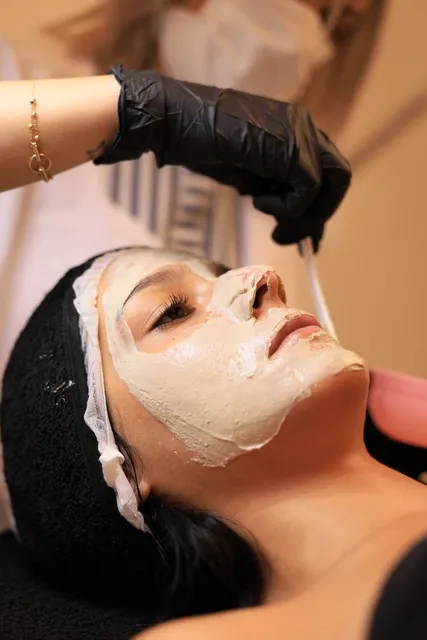
Body & skin
Mixing Skincare Actives: Which Combinations Irritate
Which skincare actives clash, such as retinoids with strong acids, how to split actives between morning and night, and how to layer without harming the barrier.
Read article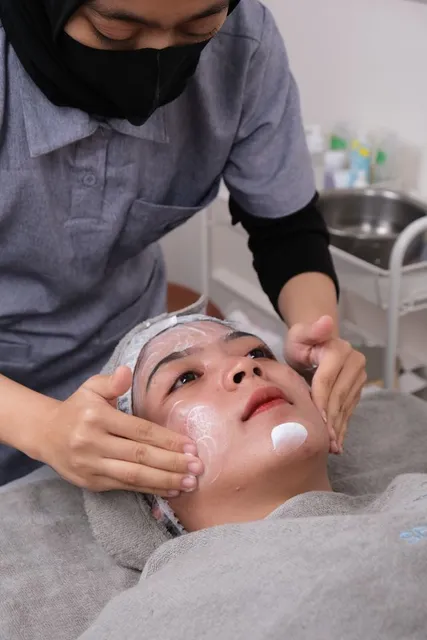
Body & skin
Microneedling for Acne Scars: What to Expect
Which acne scar types tend to respond to microneedling, the usual treatment series, combining it with other methods, and why improvement builds over months.
Read article