
Fotona laser
Laser vs Radiofrequency for Skin Tightening
How laser and radiofrequency each heat tissue to tighten skin, differences in comfort, sessions and recovery, risks, and who may suit each non-surgical option.
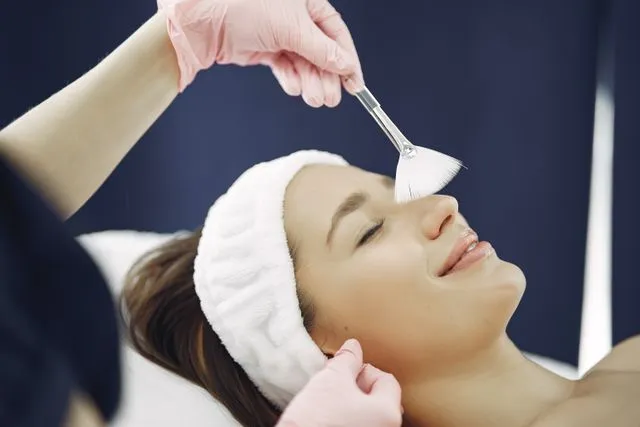
Laser and radiofrequency both tighten skin by heating the deeper layers so the body makes new collagen, but they deliver that heat differently. Laser uses light absorbed by water or other targets in the skin, while radiofrequency uses electrical energy that warms tissue as it passes through. Both give gradual, modest change for mild to moderate laxity, and neither replaces surgery for significant sagging.
The shared idea: controlled heat
Collagen is the protein that gives skin its firmness. With age, sun exposure and weight change, collagen thins and becomes disorganised, and skin starts to look looser or crepey.
When the dermis is warmed to a carefully controlled temperature, two things happen. Existing collagen fibres contract a little, and the skin's repair cells are prompted to lay down new collagen over the following months. That is why tightening results build slowly, often over three to six months after a series, rather than appearing right away. Our overview of laser skin tightening covers this process in more depth.
How laser delivers heat
A laser produces a single wavelength of light. For tightening, non-ablative settings are typically used, so the surface stays intact while heat builds below. Some systems, including Fotona, use wavelengths such as erbium and Nd:YAG in long, low-intensity pulses to warm tissue gradually.
Features of laser tightening:
- Heat is concentrated where the light is absorbed, which allows fairly precise control of depth.
- Laser can be combined in the same visit with treatment of surface texture, fine lines or pigment.
- Skin colour influences settings, because pigment also absorbs some wavelengths. Darker skin may need adjusted settings to reduce the risk of pigment change.
- Some laser protocols can be used inside the mouth to heat tissue from beneath the cheeks, though evidence for these approaches is still developing.
How radiofrequency delivers heat
Radiofrequency, or RF, does not use light. Instead an electrical current passes between electrodes, and the natural resistance of tissue converts that current into heat. Devices vary: some heat the surface broadly, others focus energy deeper, and some combine RF with tiny needles, called RF microneedling.
Features of RF tightening:
- Because it does not depend on pigment, RF is often considered "colour-blind" and is commonly used across a wide range of skin tones.
- Some devices can heat deeper layers, including the fibrous tissue beneath the skin.
- It is often used on larger body areas such as the abdomen, arms and thighs, as well as the face and neck.
- RF microneedling adds small punctures, which also helps with texture and scarring but brings more short-term redness.
Comfort, sessions and recovery compared
Experiences vary by device and settings, but general patterns are:
- Comfort: both feel warm to hot. Laser may feel like snapping or warmth; RF often feels like a building, deep heat. Cooling and adjusted settings help with either.
- Number of sessions: both are commonly done as a series, often three to six sessions spaced weeks apart, with occasional maintenance.
- Recovery: non-ablative laser and surface RF usually cause redness and mild swelling lasting hours to a day. RF microneedling or combined ablative laser passes involve a few more days of redness and roughness.
- Results: both offer gradual, modest firming. Studies comparing them directly are limited, and outcomes depend heavily on the device, settings and the person.
Who may suit each
These are broad guides only; a physician assessment shapes the plan.
- People with mild laxity plus texture, fine lines or sun damage may lean toward laser, which can address several concerns together.
- People with deeper skin tones, or who want treatment on larger body areas, are often good candidates for RF.
- People with moderate sagging of the jowls or neck should know that non-surgical tightening gives limited lift, and a surgical opinion may be worth considering.
- Some people do well with a combination of both over time.
What neither can do
It is easy to expect more from tightening than it can deliver. Neither laser nor radiofrequency removes excess skin, lifts heavy jowls back into place or replaces volume lost from the cheeks and temples. If loss of volume is the main issue, other treatments may be discussed; if there is a lot of loose skin, a surgical opinion may give a clearer picture of what is possible.
Lifestyle factors also shape results. Sun exposure, smoking and large weight changes continue to break down collagen, so daily sunscreen and good general health help protect any improvement. For some people, a good skincare routine and no procedure at all is a perfectly sensible choice.
Who should not have treatment, or should wait
- Pregnancy, when elective energy-based treatments are usually postponed.
- Active skin infection, rash or cold sore in the area.
- For RF: a pacemaker, implanted defibrillator or other electronic implant, and sometimes metal implants in the treatment area. Always mention implants.
- For laser: a recent tan or use of medicines that increase light sensitivity.
- Recent isotretinoin use, a history of keloids, poor wound healing, or certain autoimmune conditions, which need discussion first. Do not stop prescribed medicine on your own.
- Recent filler or neuromodulator in the same area, which may affect timing.
Main risks
For both: redness, swelling, tenderness and, less commonly, blistering, burns or temporary pigment change. RF can rarely cause fat loss or dents under the skin if heat is excessive. Laser carries a higher risk of pigment change in darker skin. RF microneedling can cause pinpoint bleeding and small marks for a few days. Results vary from person to person.
Frequently asked questions
Which lasts longer?
Both rely on new collagen, which the body continues to age, so maintenance is common for either. There is no clear evidence that one lasts longer than the other.
Can I have them together?
Sometimes, either in alternating sessions or in a planned sequence. Your provider will space treatments to allow healing.
Will I see a difference after one session?
Some people notice slight firmness early, but most change develops over several months after a full series.
If you are weighing laser against radiofrequency, a consultation at HealthPark Medical Aesthetics can look at your skin and goals and explain which approaches are reasonable, including when neither is likely to give the change you are hoping for.
Keep reading

Fotona laser
Skincare Before and After Laser: Prep and Recovery
Which skincare products to pause before laser, priming pigment-prone skin, barrier-repair care during recovery, and when it is usually safe to restart actives.
Read article
Fotona laser
Small Bumps Around the Eyes: Syringomas and Milia
How to tell syringomas from milia, why these harmless bumps around the eyes can recur, careful Er:YAG laser treatment, gentle alternatives and main risks.
Read article
Fotona laser
Underarm Laser Hair Removal: What to Know
Underarm laser hair removal explained: shaving and deodorant before treatment, effects on ingrown hairs and darkening, sweating myths and typical sessions.
Read article