
Fotona laser
Laser for Sun Spots and Crepey Skin on the Hands
How laser can treat brown spots and fine crepey texture on the backs of the hands, why settings are gentler there, what healing involves, and daily sun care.
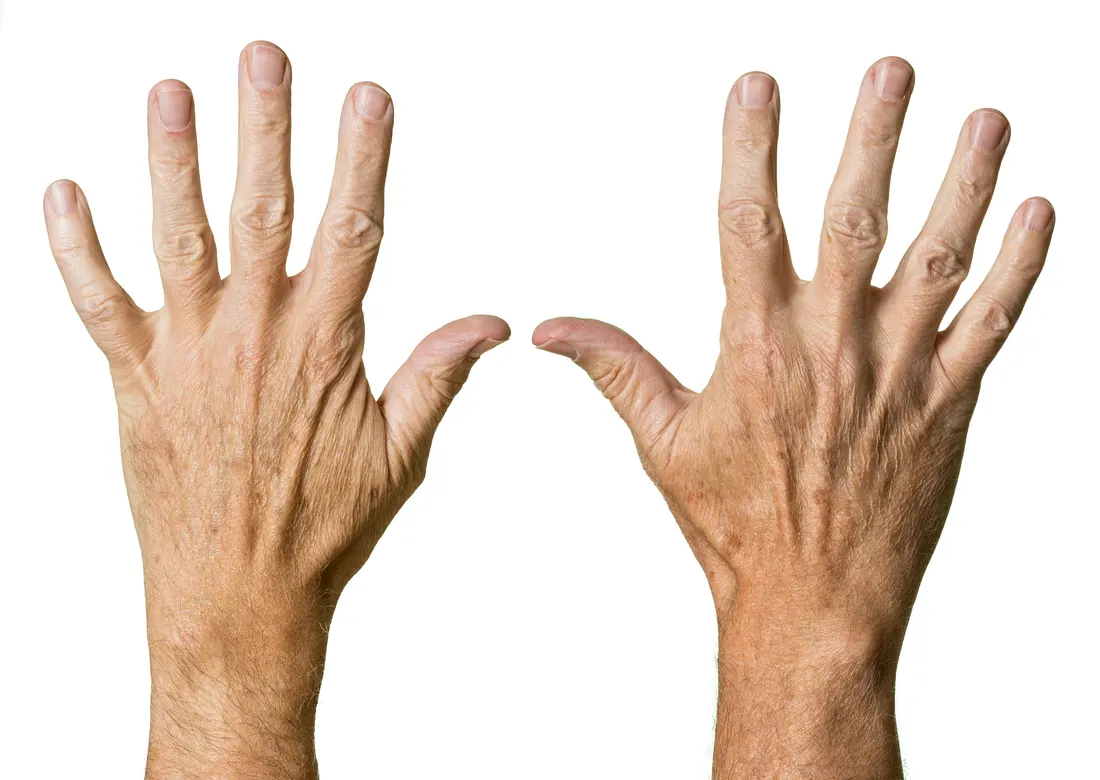
Laser can lighten brown sun spots on the backs of the hands and modestly improve fine, crepey texture. Because hand skin is thin and heals more slowly than facial skin, treatment uses gentler settings and usually takes a few sessions. Every spot should be checked first, and daily sunscreen on your hands is what helps the improvement last.
Why the hands show sun damage
The backs of the hands get sun almost every day of the year: on the steering wheel, while walking, gardening, boating or shovelling snow on a bright winter morning. Yet they are often skipped when sunscreen goes on, and hand washing removes whatever was applied.
Over decades this leads to a few common changes:
- Sun spots (solar lentigines), flat tan to brown patches with clear edges
- Crepey texture, thin skin with fine criss-cross lines
- Loss of volume, which makes veins and tendons more visible
- Rough, scaly spots, some of which may be precancerous
Laser mainly addresses the first two. Volume loss is a different issue; see Bony, Veiny Hands: Can Filler Restore Volume? if that is your main concern.
Checking spots before treatment
Most brown marks on the hands are harmless sun spots. However, a rough, scaly or sore spot may be an actinic keratosis, a precancerous change that needs medical treatment, and a spot that is dark, irregular, changing or bleeding could be a skin cancer. Laser should not be used on a spot that has not been properly assessed, because it can mask warning signs.
If you have any spot that has changed recently, see your family doctor before considering cosmetic treatment. During a laser consultation, each spot is examined, and anything unusual is referred back for medical review.
How laser treats hands
With the Fotona system, two approaches are commonly used, sometimes together.
Pigment
For sun spots, short, controlled pulses heat the melanin in the spot or remove a very thin surface layer with the Er:YAG wavelength (2940 nm). Treated spots usually darken over the next few days, then flake off as tiny scabs, revealing lighter skin underneath. Many spots lighten noticeably after one or two sessions.
Texture
For crepey skin, light Er:YAG resurfacing or non-ablative heating aims to encourage the skin to build new collagen. Improvement in texture is gradual and modest, appearing over several months as collagen remodels. Several sessions spaced about four to six weeks apart are typical.
Because the backs of the hands have fewer oil glands and hair follicles, from which new skin grows during healing, the energy used is lower than on the face. This makes each session safer but means results come more slowly. Results vary from person to person.
What a session feels like
Protective eyewear is worn, and the backs of the hands are cleaned. Most people describe the pulses as warm snaps, a little like a rubber band flicked against the skin. A numbing cream can be applied beforehand if a larger area or resurfacing is planned. Treating both hands typically takes well under an hour. It is common to treat the hands on their own, or in the same visit as the face, with settings adjusted for each area.
Healing and aftercare
After treatment, hands are often red and slightly swollen for a day or two. Sun spots turn darker and may look like coffee grounds before flaking off over about seven to ten days. After light resurfacing, the skin may feel rough or tight and peel finely for several days.
Healing on the hands can take a little longer than on the face, partly because hands are washed and used constantly. Helpful aftercare includes:
- A bland moisturiser or healing ointment applied often
- Gloves for dishwashing, cleaning and gardening while healing
- Avoiding scrubbing, hot water and harsh hand sanitisers on treated skin where possible
- No picking at the small scabs
Pairing laser with sunscreen habits
Laser does not change your skin's tendency to make new spots. Without sun protection, new ones typically appear and treated ones can return. A few habits help:
- Apply broad-spectrum SPF 30 or higher to the backs of your hands every morning
- Reapply after washing, especially when you will be outdoors
- Keep a small sunscreen in the car, since side-window sun adds up
- Wear gloves for long periods outdoors, including in winter when sun reflects off snow
Who should not have it, or should wait
Treatment may not be suitable, or may need to be delayed, if you:
- Have spots that have not been assessed, or a history of skin cancer on the hands that is still being followed
- Have a tan or recent sunburn
- Have hand eczema, cuts, infection or very dry, cracked skin
- Are pregnant
- Have recently taken isotretinoin or form keloid scars
- Have poor circulation or a condition that slows healing, such as poorly controlled diabetes
Tell your clinician about all medications. If you take a blood thinner, do not stop it on your own.
Risks and side effects
Common effects are redness, swelling, darkening of spots and flaking. Less common risks include blistering, infection, slow healing, lighter or darker patches that may last for months, and, rarely, scarring. Darker skin tones have a higher risk of pigment changes and need especially careful settings.
Frequently asked questions
Will the spots come back?
Treated spots often stay lighter for a long time, but new spots can develop with ongoing sun exposure. Many people return for occasional touch-ups.
Can I use my hands normally after treatment?
Yes, most people go back to work and daily tasks right away, with extra care to protect the skin while it heals.
Can fading creams do the same thing?
Some creams can slowly lighten spots and are useful between sessions, but they tend to work more slowly and less completely than laser on well-defined sun spots.
Next steps
If your hands show more sun damage than you would like, HealthPark Medical Aesthetics can offer a consultation to examine each spot, discuss whether laser, skincare or a medical referral fits best, and explain healing, risks and fees before any treatment.
Keep reading
Fotona laser
Skincare Before and After Laser: Prep and Recovery
Which skincare products to pause before laser, priming pigment-prone skin, barrier-repair care during recovery, and when it is usually safe to restart actives.
Read article
Fotona laser
Small Bumps Around the Eyes: Syringomas and Milia
How to tell syringomas from milia, why these harmless bumps around the eyes can recur, careful Er:YAG laser treatment, gentle alternatives and main risks.
Read article
Fotona laser
Underarm Laser Hair Removal: What to Know
Underarm laser hair removal explained: shaving and deodorant before treatment, effects on ingrown hairs and darkening, sweating myths and typical sessions.
Read article