
Fotona laser
Laser Hair Removal for Teenagers: Is It Appropriate?
What parents and teens should know about laser hair removal: consent, hormones still changing, checking for medical causes of excess hair, timing and risks.
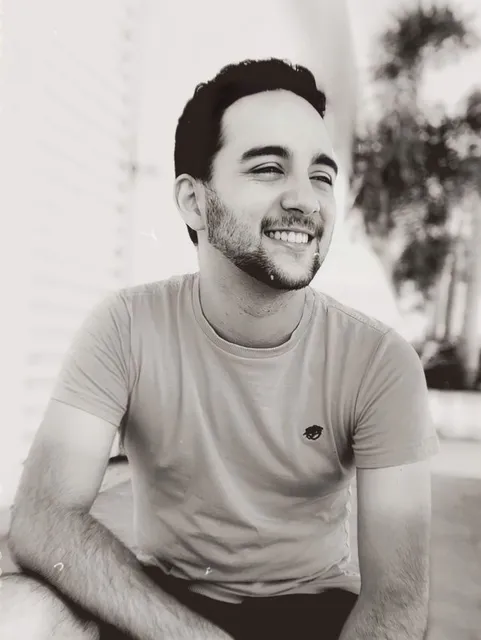
Laser hair removal can sometimes be appropriate for older teenagers, but it is not a routine choice and it is never the first step. A physician should first look for medical causes of excess hair, a parent or guardian should be involved in the decision, and everyone should understand that hormones are still changing, so new hair may keep appearing. For many teens, waiting a few years or using simpler methods in the meantime makes more sense.
Why teens ask about laser
Body and facial hair can be a real source of distress in adolescence. Teens may be teased, avoid swimming or sports, or spend a lot of time shaving, waxing or plucking. Some develop painful ingrown hairs or dark marks from repeated hair removal. These concerns deserve to be taken seriously, and a calm, medical conversation is a good place to start.
At the same time, laser is a medical procedure with risks and costs, and it works best when the underlying pattern of hair growth has settled. Those two facts shape how the decision is made.
Rule out medical causes first
Some patterns of hair growth in teenagers point to an underlying condition. Excess dark, coarse hair on the face, chest, abdomen or back in girls, especially with irregular periods, acne or weight changes, can be a sign of polycystic ovary syndrome or another hormonal condition. Less commonly, adrenal or thyroid conditions, or certain medicines, can play a role. Very early or very rapid hair growth also needs assessment.
Before any cosmetic treatment, a visit to the family doctor or paediatrician is important. They may ask about menstrual history, family history and medications, and may order blood tests. Treating the cause, where there is one, can slow new hair growth and make any later cosmetic treatment more effective. Our article on laser hair removal and PCOS explains how hormones and laser interact.
Hormones are still changing
Puberty brings big shifts in hormones, and those shifts drive new hair growth. Follicles that are fine and pale at 14 may become dark and coarse at 17 or 18. Laser only affects follicles that are already producing pigmented hair at the time of treatment. So if hair growth is still developing, treated areas can fill in again as new follicles become active.
This does not make laser dangerous for teens, but it can make it less efficient. A teen treated early may need more sessions, and more maintenance later, than an adult with the same hair. That is worth weighing before starting a course that can run for most of a year.
Consent and the role of parents
In Nova Scotia, decisions about medical treatment for young people depend on their ability to understand the treatment, its risks and alternatives. For elective cosmetic procedures, clinics generally expect a parent or guardian to be closely involved for anyone under 18, including attending the consultation and providing consent.
The teen's own view matters just as much. Good decisions tend to happen when the young person clearly wants treatment for themselves, understands what it involves, and is not feeling pressured by friends, social media or adults. A good consultation gives both the teen and the parent space to ask questions, and includes a frank talk about expectations.
When laser may be reasonable
A physician may consider laser for an older teen when:
- Medical causes have been looked for and are either absent or being treated
- Hair growth in the area has been fairly stable for some time
- The hair is dark enough to respond and the skin type has been assessed
- Hair removal is causing a genuine problem, such as recurrent ingrown hairs, irritation or significant distress
- The teen and parent understand that a series of sessions is needed and results vary
Even then, it is reasonable to start with a small area and see how the skin responds.
When waiting makes more sense
Waiting is often the better option for younger teens, when hair growth is clearly still changing, when the main concern is very fine or light hair, or when the motivation seems to come from someone else. In the meantime, gentle methods can help: shaving with a clean razor, trimming, depilatory creams tested on a small patch first, or careful waxing. Your family doctor can help with ingrown hairs or irritation.
Who should not have laser, at any age
Treatment is usually postponed with a tan or sunburn, an active rash or infection in the area, recent isotretinoin for acne, or other medicines that increase light sensitivity. Teens with very light, red or blond hair are unlikely to benefit. People who are pregnant should wait. Prescribed medicines should never be stopped to qualify for treatment.
Main risks
Common effects are redness, swelling and bumps around follicles that settle within a day or two. Less common risks include blistering, burns, dark or light patches, and, rarely, scarring or extra fine hair growth. Teens can be keen on sun and tanning, so strict sun protection between sessions is important to lower the risk of burns and pigment change. Eye protection is essential during treatment.
Frequently asked questions
Is there a minimum age for laser hair removal?
There is no single legal age that applies everywhere, but most clinics do not offer elective laser to younger teens and require parental involvement under 18. A physician assessment is the key step.
Will treatment stop new hair from appearing later?
No. Laser treats follicles that are active at the time. New follicles may become active as hormones change, so further sessions may be needed in the future.
Could laser hide a medical problem?
Removing hair does not treat a hormonal condition. That is why a medical check comes first, so any underlying issue is not missed.
If your teen is struggling with unwanted hair, start with your family doctor. When the time is right, HealthPark Medical Aesthetics can meet with you both for a consultation and talk honestly about whether laser is suitable now or better left for later.
Keep reading
Fotona laser
Skincare Before and After Laser: Prep and Recovery
Which skincare products to pause before laser, priming pigment-prone skin, barrier-repair care during recovery, and when it is usually safe to restart actives.
Read article
Fotona laser
Small Bumps Around the Eyes: Syringomas and Milia
How to tell syringomas from milia, why these harmless bumps around the eyes can recur, careful Er:YAG laser treatment, gentle alternatives and main risks.
Read article
Fotona laser
Underarm Laser Hair Removal: What to Know
Underarm laser hair removal explained: shaving and deodorant before treatment, effects on ingrown hairs and darkening, sweating myths and typical sessions.
Read article