
Fotona laser
Laser Hair Removal Aftercare
What is normal after laser hair removal, how to care for treated skin, why hairs shed in the following weeks, sun protection, and when to call the clinic.
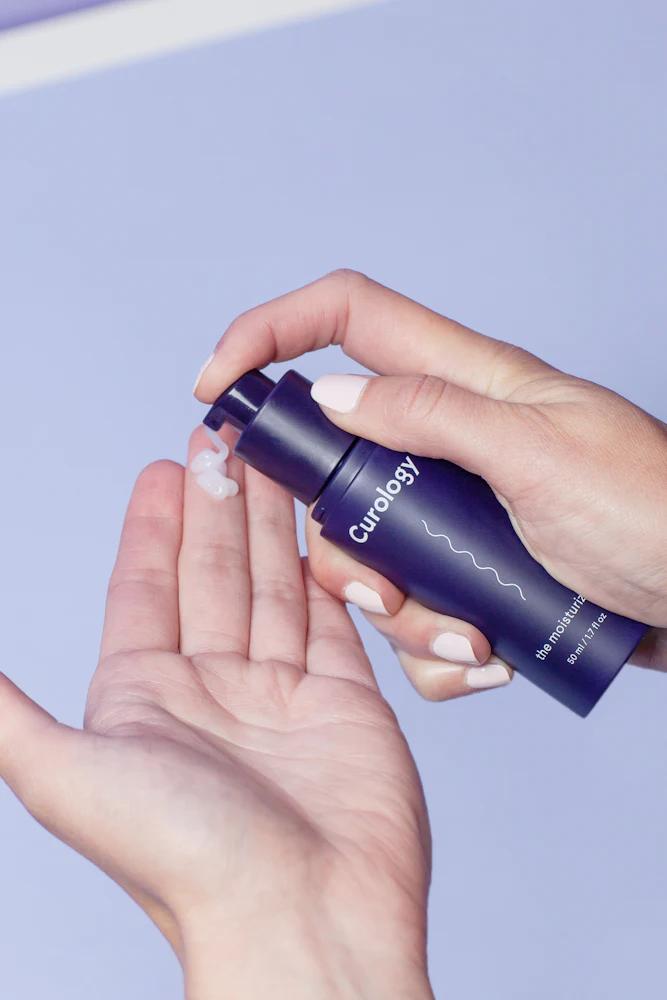
After laser hair removal, the treated skin usually looks pink and slightly bumpy, a bit like mild sunburn or goosebumps, and settles within a few hours to a couple of days. Good aftercare is mostly about keeping the skin cool, calm and out of the sun while it recovers. Over the next one to three weeks, treated hairs gradually shed, which is a normal part of the process.
The first few hours
Right after treatment, you may notice warmth, redness and small raised bumps around each follicle. These bumps, sometimes called perifollicular edema, are a sign that the follicles have absorbed heat. They are expected and usually fade on their own.
To stay comfortable:
- Apply a cool compress or a clean, cloth-wrapped cold pack for 10 to 15 minutes at a time. Do not put ice directly on the skin.
- Use a gentle, fragrance-free moisturiser or plain aloe vera gel if the skin feels tight.
- Wear loose, soft clothing over the area to avoid rubbing.
An over-the-counter pain reliever is rarely needed, but ask your clinician which is appropriate for you if you feel sore.
The first 24 to 48 hours: avoid heat and friction
Heated skin is more easily irritated. For the first day or two, it is generally recommended to avoid:
- Hot baths, hot tubs, saunas and steam rooms
- Intense exercise that makes you sweat heavily
- Swimming in chlorinated pools
- Scented lotions, perfume, and deodorant with irritating ingredients on the underarms
- Exfoliating scrubs, acids and retinoid creams on the treated area
Lukewarm showers are fine. Pat the skin dry rather than rubbing. Makeup on a treated facial area is usually fine once any redness has settled, but use clean brushes and gentle products.
The shedding phase: days 5 to 21
This is the part that surprises many people. In the week or two after treatment, it can look as though the hair is growing back. In fact, many of those hairs are damaged and are being pushed out of the follicle. They often come away easily when you wash or towel off.
Let shedding happen naturally. You can gently wash and lightly exfoliate with a soft cloth after the first few days, unless your clinician advises otherwise. You can also shave. What you should not do is wax, pluck, thread or use an epilator, because removing the hair root interferes with the next session.
Shedding usually starts gradually and is often patchy rather than even. It can be tempting to judge the session's success by how quickly the area clears, but the real measure is how much regrows over the following weeks and months.
Some hairs will not shed because they were in a resting phase during treatment. Those will grow and be treated at a later session. That is why a series is needed; see how many sessions you may need for typical spacing.
Sun protection after treatment
Treated skin is more sensitive to ultraviolet light, and sun exposure in the following weeks can raise the risk of darker or lighter patches. For at least two weeks after each session, and ideally throughout your course:
- Cover the area with clothing when you can.
- Apply a broad-spectrum sunscreen of SPF 30 or higher to exposed skin daily, and reapply when outdoors.
- Avoid tanning beds and sunbathing, and do not use self-tanner on the area.
Even on grey days in Cape Breton, UV can be strong enough to matter, especially near water or snow.
If you have any sun exposure or a tan before your next appointment, tell the clinic when you arrive. Settings may need to be adjusted, or the session moved, to keep your skin safe.
Who needs extra care
Some people should be especially careful after treatment or should let the clinic know in advance:
- People with darker skin tones, who have a higher chance of pigment changes
- Anyone prone to cold sores, if the face was treated, since heat can trigger an outbreak
- People with eczema or sensitive skin, who may react more strongly
- Anyone with diabetes or other conditions that slow healing
If you were prescribed a medication by your doctor, continue it as directed unless your prescriber tells you otherwise.
Warning signs: when to call the clinic
Most reactions are mild. Contact the clinic if you notice:
- Blisters, crusting or skin that looks raw or weepy
- Redness or swelling that is getting worse rather than better after 48 hours
- Increasing pain, warmth, pus or fever, which may signal infection
- Darker or lighter patches of skin appearing in the following weeks
- Any reaction that worries you
Do not pop blisters or pick at crusts. Keep the area clean and covered with a non-stick dressing until you have spoken to the clinic. If you have signs of a spreading infection or feel unwell and cannot reach the clinic, see your family doctor or visit an urgent care service.
Main risks to be aware of
Common and short-lived: redness, swelling, bumps around follicles, mild itching. Less common: blisters, burns, infection, and pigment changes, which usually fade over weeks to months but can occasionally last longer. Rare: scarring and paradoxical increased hair growth near the treated area. Following aftercare closely helps lower these risks but cannot remove them entirely.
Frequently asked questions
Why do I have small pimples after treatment?
Some people develop small, acne-like spots as follicles react to heat. They usually clear in a few days. Avoid squeezing them, and contact the clinic if they become painful or widespread.
When can I go back to the gym?
Many people resume light activity the next day and heavier, sweaty workouts after about 48 hours, once redness has calmed down. Wear loose clothing over the area.
Is itching normal?
Mild itching is common as the skin calms and hairs shed. A cool compress and a gentle moisturiser often help. Try not to scratch.
Can I tan between sessions as long as I use sunscreen?
Deliberate tanning is not recommended during a course, because a tan increases the risk of burns at your next session and may mean it needs to be postponed.
If you have questions about how your skin is healing, contact HealthPark Medical Aesthetics. For a refresher on getting ready for your next appointment, see our preparation guide.
Keep reading
Fotona laser
Skincare Before and After Laser: Prep and Recovery
Which skincare products to pause before laser, priming pigment-prone skin, barrier-repair care during recovery, and when it is usually safe to restart actives.
Read article
Fotona laser
Small Bumps Around the Eyes: Syringomas and Milia
How to tell syringomas from milia, why these harmless bumps around the eyes can recur, careful Er:YAG laser treatment, gentle alternatives and main risks.
Read article
Fotona laser
Underarm Laser Hair Removal: What to Know
Underarm laser hair removal explained: shaving and deodorant before treatment, effects on ingrown hairs and darkening, sweating myths and typical sessions.
Read article