
Fotona laser
Laser for Facial Redness and Broken Capillaries
How Nd:YAG laser treats small visible facial blood vessels, how many sessions are typical, who should wait, and why sun and trigger control still matter.
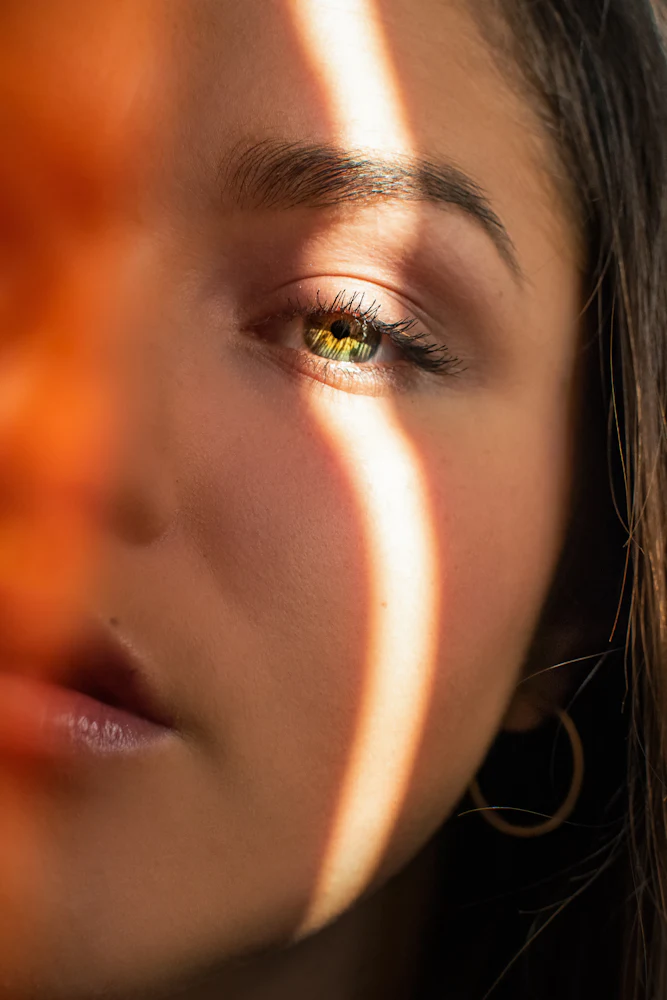
Small, visible red or purple blood vessels on the face, often called broken capillaries, can usually be reduced with vascular laser treatment. The laser heats the vessel so the body closes it off and gradually reabsorbs it. Most people need one to three sessions, and because new vessels can form over time, protecting your skin from sun and other triggers is part of keeping the result.
What "broken capillaries" actually are
The medical term is telangiectasia. These are not truly broken vessels. They are tiny blood vessels near the skin surface that have widened and stayed that way, so they become visible as fine red lines or small branching patterns. They are most common around the nose, on the cheeks and on the chin.
Several things contribute to them:
- Long-term sun exposure, which weakens the supporting tissue around vessels
- Fair skin and family tendency
- Rosacea, which often causes both flushing and visible vessels
- Repeated exposure to wind and cold, a familiar factor in Cape Breton winters
- Alcohol, which can cause flushing
- Pregnancy and hormonal changes
- Long-term use of strong topical steroid creams on the face
- Injury to the skin
Redness that needs a medical look
Not all facial redness is caused by visible vessels. Persistent redness can come from rosacea, eczema, seborrheic dermatitis, contact allergy, or less commonly from conditions such as lupus. A rash that is scaly, itchy, painful, spreading or associated with other symptoms such as joint pain or fatigue should be assessed by your family doctor. If rosacea is the main issue, see Laser Treatment for Rosacea.
How vascular laser treatment works
Haemoglobin, the red protein in blood, absorbs certain wavelengths of light. When the laser is aimed at a visible vessel, the blood inside heats up, which damages the vessel wall. Over the following weeks, the body seals the vessel and clears it away. Surrounding skin absorbs less of the energy and is protected by cooling.
With the Fotona system, facial vessels are commonly treated with the Nd:YAG wavelength (1064 nm). This wavelength penetrates relatively deeply and is absorbed by haemoglobin, which makes it useful for both fine red vessels and some slightly larger bluish ones. Because Nd:YAG is absorbed less by melanin than some other vascular wavelengths, settings can be adjusted for a range of skin tones, although care is still required. For a broader overview of the device, see What Is the Fotona Laser and How Does It Work?
What a session is like
You will wear protective eyewear throughout. The skin is cleaned, and a cooling method is used to protect the surface. Each laser pulse feels like a quick, sharp snap or the flick of an elastic band, sometimes with a brief warm sensation. Treatment of a few vessels around the nose may take only a few minutes; a larger area of the cheeks takes longer.
Right after treatment, vessels may look darker, bluish or may seem to disappear immediately. The area is often red and mildly swollen, which typically settles within hours to a few days. Swelling can be more noticeable around the eyes and cheeks the next morning.
How many sessions you may need
A few fine vessels may clear after one session. Wider networks of vessels or more widespread redness usually need two to three sessions, spaced about four to six weeks apart, to allow healing and to see which vessels remain. Results vary from person to person.
Treated vessels that close are generally gone, but your skin can form new ones over time, particularly if the underlying causes continue. Some people choose a touch-up session every year or two.
Sun, triggers and keeping the result
Since sun damage is a major cause of visible vessels, daily broad-spectrum sunscreen is one of the most useful things you can do before and after treatment. A tan also increases the risk of pigment changes from laser, so treatment is often planned for times of the year when sun exposure is lower.
It can also help to notice what makes your face flush and reduce those triggers where practical. Common ones include hot drinks, spicy food, alcohol, strenuous exercise in the heat, saunas, sudden temperature changes and harsh skincare. Protecting your face with a scarf in cold wind is a simple step for winter.
Who should not have it, or should wait
Vascular laser may not be suitable, or may need to be postponed, if you:
- Are pregnant (pregnancy-related vessels sometimes fade afterward on their own)
- Have a tan or recent sunburn
- Have an active infection, cold sore or open sore in the area
- Have unexplained redness that has not yet been assessed
- Take medications that increase light sensitivity
- Have recently taken isotretinoin
- Have a history of keloid scarring
If you take a blood thinner, mention it at your consultation, as bruising may be more likely. Please do not stop it on your own.
Risks and side effects
Expected effects include redness, swelling and sometimes a mild bruise or purple discolouration over the treated vessel, which usually fades within one to two weeks. Less common risks include blistering, crusting, temporary darkening or lightening of the skin, and, rarely, small depressed scars. Because Nd:YAG reaches deeper tissue, careful settings and cooling are particularly important on the face.
Frequently asked questions
Will the redness go away right after treatment?
Some vessels fade immediately, while others take a few weeks to be cleared by the body. The temporary redness from the treatment itself usually settles within a few days.
Can I treat broken capillaries with creams instead?
Creams do not close visible vessels. Some prescription topicals can reduce redness from rosacea for a time, and good skincare and sun protection help prevent new vessels, but laser or other in-office procedures are usually needed to treat existing ones.
Is it safe to treat vessels close to the eyes?
The area right around the eye requires special care and appropriate eye shields. Some vessels in this area may not be suitable for treatment, which would be discussed at your assessment.
Next steps
A good outcome starts with knowing whether your redness comes from visible vessels, an inflammatory skin condition or both. If you would like your skin assessed, HealthPark Medical Aesthetics offers medical consultations where the cause of your redness is considered, a referral is suggested when needed, and the expected results, risks and fees are explained before treatment.
Keep reading

Fotona laser
Skincare Before and After Laser: Prep and Recovery
Which skincare products to pause before laser, priming pigment-prone skin, barrier-repair care during recovery, and when it is usually safe to restart actives.
Read article
Fotona laser
Small Bumps Around the Eyes: Syringomas and Milia
How to tell syringomas from milia, why these harmless bumps around the eyes can recur, careful Er:YAG laser treatment, gentle alternatives and main risks.
Read article
Fotona laser
Underarm Laser Hair Removal: What to Know
Underarm laser hair removal explained: shaving and deodorant before treatment, effects on ingrown hairs and darkening, sweating myths and typical sessions.
Read article