
Body & skin
Hyaluronic Acid Serums vs Filler: Same Name, Different Jobs
Why a hyaluronic acid serum and an injectable hyaluronic acid filler share an ingredient but work very differently, and what each can realistically do.
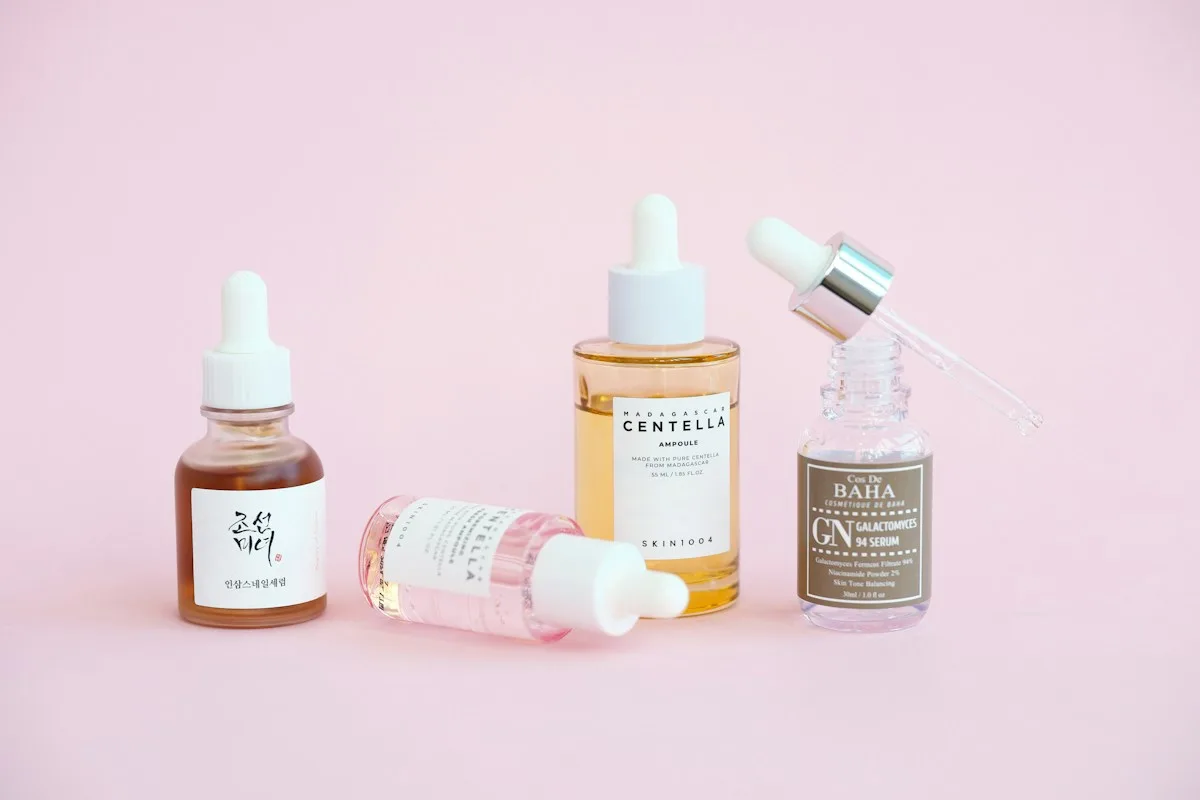
A hyaluronic acid serum and a hyaluronic acid filler share an ingredient, but they do completely different jobs. A serum sits on the surface and helps the outer layer of skin hold water, so skin feels softer and looks more hydrated for a while. A filler is a sterile gel injected beneath the skin to add volume or support in a specific spot, and it is a medical procedure with medical risks. Neither can do the other's job.
What hyaluronic acid is
Hyaluronic acid is a sugar-based molecule that your body makes naturally. It is found in skin, joints and the eyes, and it can hold a large amount of water. In skin, it helps keep the deeper layers plump and supple. Levels and quality change with age and sun exposure, which is part of why skin can look drier and less full over time.
The hyaluronic acid used in skincare and in fillers is usually produced by bacterial fermentation in a laboratory, rather than taken from animals. What differs between products is how the molecule is processed, how large it is and whether it has been chemically linked together.
How a serum works
Hyaluronic acid serums are humectants, meaning they attract and hold water. Applied to the skin, they draw moisture into the outermost layer, the stratum corneum, which can make skin feel smoother, look a little plumper and reduce the appearance of fine dehydration lines.
Some important realities:
- It mostly stays near the surface. Large hyaluronic acid molecules do not travel deep into the skin. Smaller, "low molecular weight" forms may penetrate a little further, but they do not reach the layers where volume is lost.
- The effect is temporary. Hydration lasts hours, not months, and fades as the product is washed off or the water evaporates.
- It needs a moisturiser on top. In very dry air, such as a heated home in a Cape Breton winter, a humectant can let water evaporate from the skin if nothing seals it in. Applying serum to slightly damp skin and following with a moisturiser helps.
- It will not lift or fill. A serum cannot restore cheek volume, fill deep folds or change facial shape.
That still makes it a useful product. Many people with dry or dehydrated skin find a hyaluronic acid serum or moisturiser pleasant and helpful, and it is generally gentle. Our article on building a simple skincare routine explains where hydrating products fit.
How a filler works
Hyaluronic acid filler is a sterile gel, regulated in Canada as a medical device, injected with a needle or blunt cannula beneath the skin. To make it last, the hyaluronic acid is crosslinked, meaning the molecules are chemically bonded into a gel that the body breaks down slowly. Depending on the product and area, results typically last from several months to a year or more.
Fillers are used to:
- Restore volume lost with age, for example in the cheeks or temples
- Soften deeper folds and lines
- Add shape or definition to the lips, chin or jawline
- Improve some types of indented scars
Thinner, less crosslinked hyaluronic acid products are also injected as "skin boosters", aimed at hydration and fine texture rather than volume. For more on how fillers differ from one another, see our overview of what dermal fillers are.
Side by side
- Where it goes: serum on the surface; filler beneath the skin at a chosen depth.
- Form: serum is a liquid with free hyaluronic acid; filler is a crosslinked gel.
- What it does: serum hydrates the outer layer; filler adds volume and support.
- How long it lasts: serum for hours; filler for months.
- Who applies it: serum is used at home; filler should be injected by a trained medical professional after an assessment.
- Risks: serum carries minimal risk; filler carries procedural risks, some serious.
Risks of filler and who should wait
Because filler is injected, its risks are of a different order from a skincare product. Common effects include swelling, tenderness, redness and bruising for several days. Less commonly, people develop lumps, asymmetry, infection or delayed inflammatory reactions. The most serious risk is vascular occlusion, where filler blocks a blood vessel. This is rare but can lead to skin damage and, very rarely, vision loss, which is why anatomy knowledge and an emergency plan matter.
Filler is usually postponed or avoided if you:
- Are pregnant or breastfeeding
- Have an active skin infection, cold sore or rash in the area
- Have had a previous allergic or delayed reaction to filler
- Have certain autoimmune conditions that are active or unstable, until discussed with your physician
- Have an upcoming dental procedure, vaccination or illness close to the planned date
- Take blood thinners, which you should never stop on your own; your injector will discuss the higher bruising risk
Does serum use affect filler?
Using a hyaluronic acid serum does not change how long filler lasts or how it looks. Skincare and injectables address different layers, so many people use both. Good skin hydration can make the surface look healthier, while filler addresses structure underneath. Some people find that once their skin is well cared for, they do not need or want filler at all, and that is a perfectly reasonable outcome.
After filler, your injector may ask you to keep skincare simple for a day or two and to avoid pressing or massaging the treated area unless instructed. A plain hydrating serum is usually fine to restart once any small injection points have closed, but follow the specific aftercare advice you are given.
Frequently asked questions
Can a serum replace lip filler?
No. A hydrating lip product can make lips feel smoother and look slightly fuller for a short time, but it cannot add lasting volume or change shape.
Can hyaluronic acid serum cause breakouts?
Hyaluronic acid itself rarely clogs pores, but other ingredients in a formula might. If you break out, look at the whole product.
If filler is hyaluronic acid, is it "natural"?
The base molecule resembles one found in the body, but filler is processed and crosslinked into a medical device. It should be treated with the same care as any injected product.
Choosing what suits you
A serum is a simple, low-risk way to support hydration, while filler is a medical treatment for volume and structure that requires careful assessment. If you are unsure which concern you are dealing with, or whether any treatment is needed, HealthPark Medical Aesthetics can examine your skin and talk through realistic options, including skincare alone.
Keep reading

Body & skin
What Happens at a Skin Consultation
What to expect at a skin consultation: medical and skincare history, skin examination, setting priorities, discussing options including no treatment, and fees.
Read article
Body & skin
Mixing Skincare Actives: Which Combinations Irritate
Which skincare actives clash, such as retinoids with strong acids, how to split actives between morning and night, and how to layer without harming the barrier.
Read article
Body & skin
Microneedling for Acne Scars: What to Expect
Which acne scar types tend to respond to microneedling, the usual treatment series, combining it with other methods, and why improvement builds over months.
Read article