
Body & skin
Body Changes After Pregnancy: Non-Surgical Options
Common body changes after pregnancy, why timing after breastfeeding matters, checking for diastasis recti, stretch mark options and setting realistic goals.
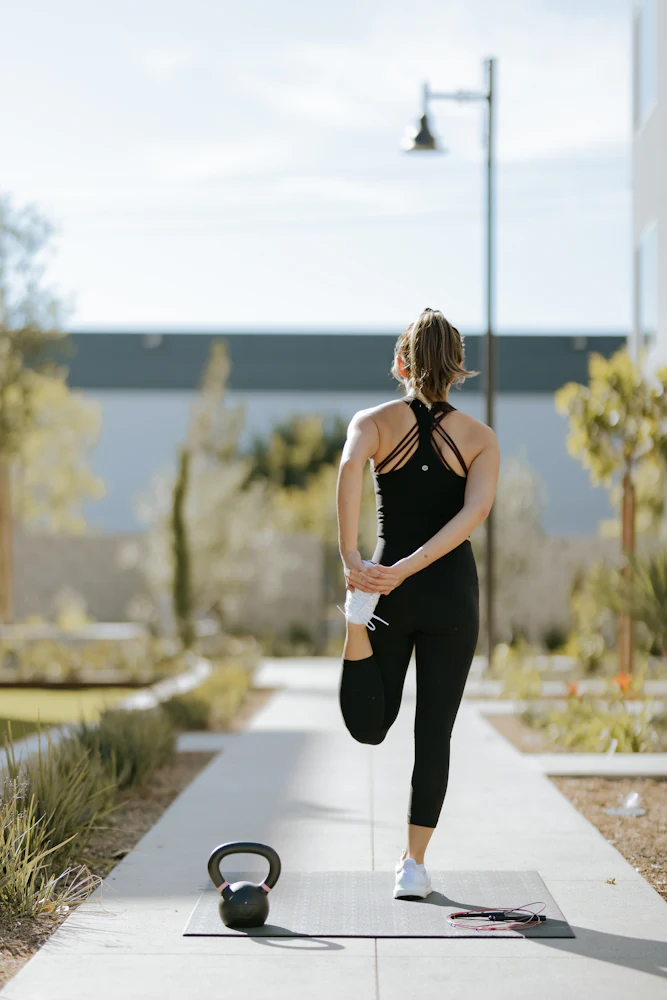
Pregnancy changes the body in ways that can last well beyond delivery, including stretch marks, loose abdominal skin, separated stomach muscles and changes in fat distribution. Some of these improve naturally over the first year or more. If changes persist, non-surgical options can help with some concerns, but treatment usually waits until after breastfeeding, and a medical check for muscle separation should come first.
Give your body time first
The body continues to recover for many months after birth. Hormone levels settle, the uterus returns to its usual size, fluid shifts, and weight often changes gradually. Skin may also regain some firmness during this time.
Many physicians suggest waiting at least several months after you have finished breastfeeding, and until your weight has been stable for a while, before considering aesthetic treatment. This lets you see which changes are lasting and avoids treating something that would have improved on its own. If you are planning another pregnancy, it is often sensible to wait until after your family is complete.
The early months with a new baby are demanding enough. There is no need to feel any pressure to change your body on a timeline.
Check for diastasis recti
During pregnancy, the two vertical bands of the abdominal muscles stretch apart along the midline to make room for the baby. This is called diastasis recti. For many people the gap narrows after delivery, but in some it persists, causing a bulge or "pooch" that does not respond to diet or usual exercise.
Signs can include a ridge or dip down the middle of the abdomen when you sit up, a sense of core weakness, or lower back discomfort. Your family doctor or a pelvic health physiotherapist can assess the gap and guide targeted exercises, which are the first-line treatment.
This matters for aesthetic planning. Fat reduction or skin tightening will not close a muscle separation, and a significant gap, especially with a hernia, may need surgical repair by a plastic or general surgeon. Identifying it early helps you avoid treatments that cannot address the underlying cause.
Stretch marks
Stretch marks (striae) form when the skin's deeper layer is stretched quickly. They often appear on the abdomen, breasts, hips and thighs. New marks tend to be red, pink or purple, and over time they usually fade to pale, silvery lines.
No treatment removes stretch marks completely. Options that may improve their colour or texture include:
- Topical retinoids for newer marks, which must not be used during pregnancy and are generally avoided while breastfeeding
- Laser treatment, which may soften redness in newer marks and improve texture in older ones
- Microneedling, which may stimulate collagen and modestly improve texture
Newer, red marks often respond better than older, white ones. Our article on laser treatment for stretch marks covers what improvement is realistic.
Loose skin and stubborn fat
Mild abdominal skin laxity and crepiness may improve with heat-based skin tightening, typically over a series of sessions with gradual results. Small, pinchable fat pockets on the lower abdomen or flanks that remain despite stable weight may be candidates for non-surgical fat reduction.
When there is a significant overhang of skin, especially combined with muscle separation, non-surgical options are unlikely to make a meaningful difference. A tummy tuck performed by a plastic surgeon removes excess skin and can repair the muscles, but it is a major operation with longer recovery. Our body contouring overview compares these routes.
Other common changes worth knowing about
Pregnancy can affect more than the abdomen. Darkening of the skin on the face, known as melasma, often appears during pregnancy and may fade afterward, though it can linger and is easily worsened by sun. A dark line down the abdomen usually fades on its own. Many people also notice significant hair shedding a few months after delivery, which is typically temporary.
Breast size and shape often change after pregnancy and breastfeeding. Non-surgical treatments do little for breast volume or position, and these concerns are generally discussed with a plastic surgeon if they remain bothersome. Pelvic floor symptoms such as leaking urine are common too, and a pelvic health physiotherapist can help.
For more on postpartum hair changes, see our article on postpartum hair shedding.
Who should not have treatment yet
Most aesthetic treatments are postponed if you:
- Are pregnant or trying to conceive
- Are breastfeeding, as many treatments and topical products have not been studied for safety during this time
- Are still within the early postpartum recovery period, or still healing from a caesarean section
- Have an unassessed abdominal bulge, possible hernia or ongoing pelvic or abdominal symptoms
- Have an active infection, rash or wound in the area
If you are struggling with low mood, anxiety or distress about your body after pregnancy, please talk to your family doctor. Postpartum depression and anxiety are common and treatable, and support should come before cosmetic concerns.
Risks of non-surgical treatment
Depending on the treatment, side effects can include redness, swelling, tenderness, bruising, numbness and, less commonly, blistering, burns or changes in skin colour. Darker skin tones carry a higher risk of pigment changes after laser or microneedling, so settings and test spots matter. Results vary from person to person, and improvements are usually modest.
Frequently asked questions
How soon after giving birth can I start treatment?
Timing depends on the treatment and on your recovery, but many physicians suggest waiting until several months after you have finished breastfeeding and your weight has stabilised.
Will exercise fix my "mummy tummy"?
Targeted core exercises guided by a physiotherapist can help with muscle separation and tone. Exercise does not tighten loose skin or remove stretch marks, but it is still a valuable part of recovery.
Can I prevent stretch marks in a future pregnancy?
There is no proven way to prevent them. Moisturisers may help with itch and comfort. Genetics play a large role in who develops them.
When you feel ready, a consultation at HealthPark Medical Aesthetics can help you sort out which changes may respond to non-surgical care, which might benefit from physiotherapy or surgical referral, and which may be best left to continue improving with time.
Keep reading
Body & skin
What Happens at a Skin Consultation
What to expect at a skin consultation: medical and skincare history, skin examination, setting priorities, discussing options including no treatment, and fees.
Read article
Body & skin
Mixing Skincare Actives: Which Combinations Irritate
Which skincare actives clash, such as retinoids with strong acids, how to split actives between morning and night, and how to layer without harming the barrier.
Read article
Body & skin
Microneedling for Acne Scars: What to Expect
Which acne scar types tend to respond to microneedling, the usual treatment series, combining it with other methods, and why improvement builds over months.
Read article