
Hair restoration
PCOS and Scalp Hair Thinning
How androgens in polycystic ovary syndrome affect scalp hair, how thinning is managed medically with your doctor, and where PRP may or may not fit.
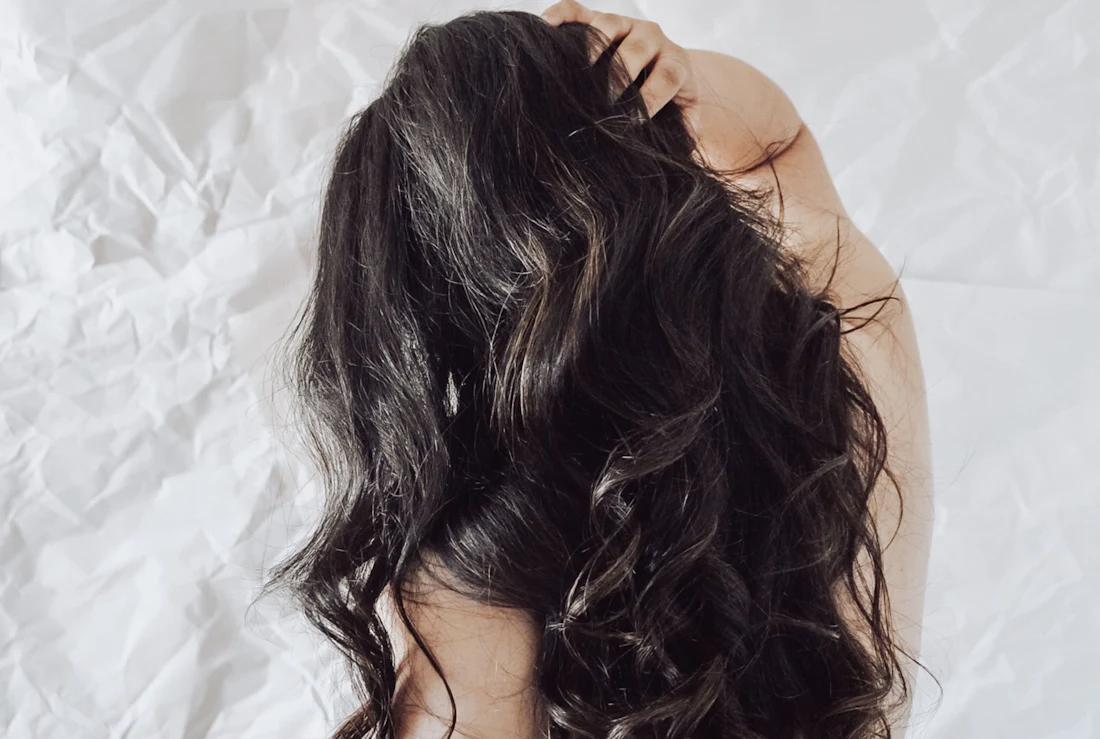
Polycystic ovary syndrome (PCOS) can thin scalp hair because higher levels of androgens, or greater sensitivity to them, shrink follicles on the top of the head. The thinning is usually gradual and centred on the part and crown. Management starts with your family doctor or gynaecologist, because treating PCOS as a whole condition tends to help the hair as well as other symptoms.
What PCOS is
PCOS is a common hormonal condition affecting people with ovaries, often first noticed in the teens or twenties. It is usually diagnosed when someone has at least two of three features: irregular or absent periods, signs of higher androgens (on blood tests or in the body), and ovaries with many small follicles on ultrasound, after other causes have been ruled out. Insulin resistance is common in PCOS and can make androgen levels higher.
The condition looks different from person to person. Some people have acne and extra facial or body hair; others have mainly irregular cycles or difficulty getting pregnant. Scalp thinning may be the first thing someone notices, or it may appear years after diagnosis.
How androgens affect scalp hair
Androgens such as testosterone, and its more potent form DHT, act on hair follicles in opposite ways depending on location. On the face, chest and abdomen, they can turn fine hairs into thicker, darker ones. On the top of the scalp, in people whose follicles are genetically sensitive, they do the opposite: each growth cycle gets shorter and the hair becomes finer, a process called miniaturisation.
This is why the same person can notice more chin hair and a thinner part at the same time. The resulting scalp pattern is usually a widening central part, sometimes described as a "Christmas tree" shape where thinning is broader toward the front, with the front hairline itself mostly preserved. Some people also notice that their ponytail feels smaller.
Not everyone with PCOS has hair thinning, and androgen blood levels do not always match how much hair is affected. Follicle sensitivity, genetics and other factors all play a part.
Other causes to check at the same time
People with PCOS can also have other, separate reasons for hair loss. A doctor will often look for:
- Low iron stores, especially with heavy or irregular bleeding
- Thyroid disease, which is checked routinely when assessing irregular periods
- Telogen effluvium after illness, stress, pregnancy or rapid weight change
- Medication effects, including some progestins in hormonal contraception
Rarely, rapid onset of male-pattern features, deepening voice or sudden severe hair growth can point to a different cause of high androgens, which needs prompt medical investigation. For a broader look at testing, see thyroid, iron and other medical causes of hair loss.
Medical management with your doctor
Treatment is individual and depends on your goals, including whether you are trying to conceive. Options a physician may discuss include:
- Lifestyle measures. Regular activity and eating patterns that support steady blood sugar can improve insulin resistance and, in some people, androgen levels. Even modest changes can help other PCOS symptoms; the effect on hair is slower and less predictable.
- Combined hormonal contraception. Some types lower androgen activity and regulate cycles. Not every pill suits everyone, and some carry clotting risks for people who smoke or have certain conditions.
- Anti-androgen medications such as spironolactone. These are prescribed off-label for hair and must not be used during pregnancy, so reliable contraception is required.
- Metformin, sometimes used for insulin resistance in PCOS. It is not a hair treatment on its own.
- Minoxidil, topical or sometimes low-dose oral, which supports the hair growth phase regardless of the cause of thinning.
These are prescription decisions to make with your physician. Please do not start or stop hormonal or other medications on your own. Our overview of hair loss medications explains how several of these work.
Whatever treatment you use, expect a slow timeline. Hair cycles are long, so it often takes six months or more to see whether shedding has slowed, and longer to see any thickening.
Practical styling in the meantime
While medical treatment takes effect, small changes can reduce how visible thinning looks. Shifting your part, adding soft layers, using a light volumising product and avoiding tight ponytails can all help. Hair fibres or tinted scalp powders can soften the contrast along the part, and a good haircut often does more than any product. These measures do not change the follicles, but they can ease day-to-day worry.
Where PRP may fit
Platelet-rich plasma (PRP) uses a concentrate of your own platelets injected into the scalp. Studies in female pattern hair loss suggest it may improve density for some people, but research specifically in PCOS is limited, methods vary widely, and PRP does nothing to the hormonal drivers of the condition. For that reason it is best seen as a possible add-on once PCOS is being managed medically, not as a substitute.
PRP is not suitable during pregnancy or breastfeeding, or for people with bleeding disorders, low platelets, active scalp infection or certain cancers. Some blood thinners also make it unsuitable; never stop a prescribed blood thinner on your own. Common side effects include scalp tenderness, a headache, swelling and minor bruising for a day or two. More on this is in PRP for women with thinning hair.
Frequently asked questions
Will treating my PCOS bring my hair back?
It can slow further thinning and sometimes allow partial regrowth, but follicles that have been miniaturised for a long time may not fully recover. Starting earlier generally preserves more.
Does PCOS hair thinning mean I will go bald?
Complete baldness is very unusual. Most people have diffuse thinning on top that can often be stabilised with treatment.
Can I treat my hair while trying to get pregnant?
Some options, including anti-androgens and oral minoxidil, are not used when trying to conceive, during pregnancy or while breastfeeding. Talk with your doctor about what is safe for your plans.
If you have PCOS and are concerned about thinning on your scalp, HealthPark Medical Aesthetics can provide a scalp assessment and photos to track change, while working alongside your family doctor or specialist on the medical side of your care.
Keep reading
Hair restoration
The Hair Growth Cycle Explained
A plain-language guide to the anagen, catagen, telogen and exogen phases of hair growth, how long each lasts, and how disruptions explain different types of hair loss.
Read article
Hair restoration
Hair Loss Myths vs Facts
Common beliefs about hats, frequent washing, inheriting hair loss from your mother's side and cutting hair, compared with what is actually known.
Read article
Hair restoration
How Hair Loss Is Assessed: Scalp Exam and Trichoscopy
What a physician looks for when assessing hair loss: your history, the pull test, magnified scalp examination (trichoscopy), pattern mapping and blood work.
Read article