
Injectables
Lip Filler: A Realistic Guide
A realistic look at lip filler: natural proportions, hydration versus volume, the swelling timeline, cold sore prevention, risks and how long results last.
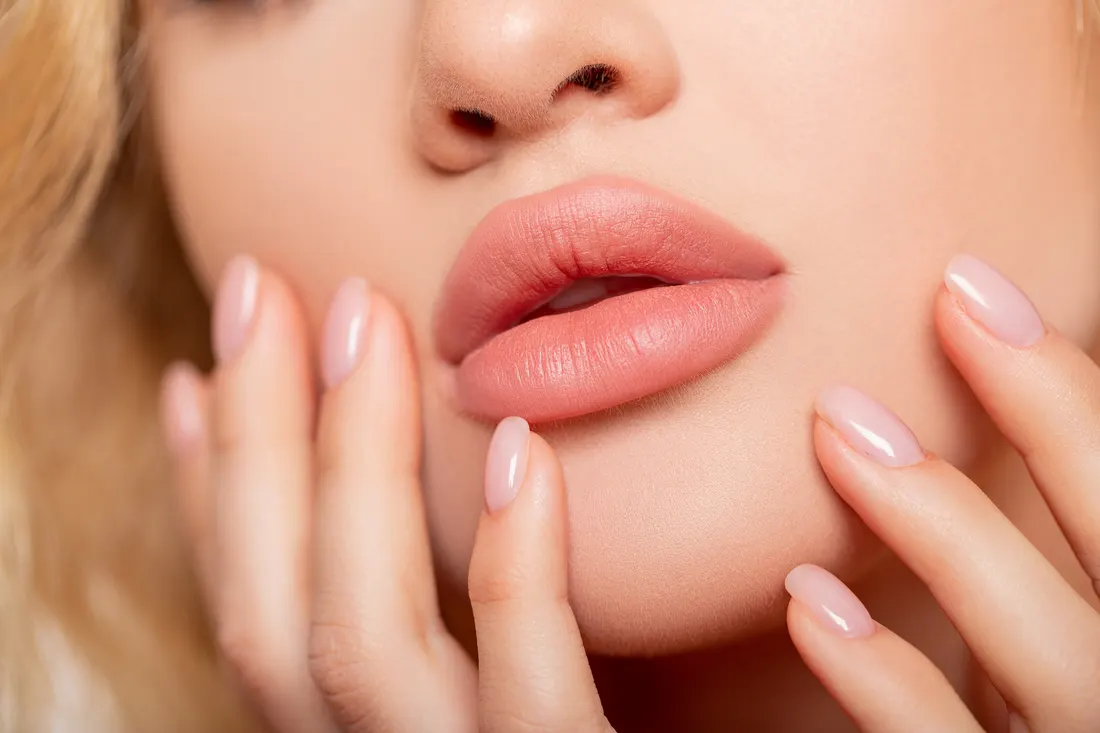
Lip filler uses a soft hyaluronic acid gel to add hydration, definition or volume to the lips. A realistic outcome looks like your own lips, a little fuller or better balanced, rather than a dramatically different mouth. Expect noticeable swelling for several days, a settled result at around two weeks, and gradual fading over roughly six months to a year.
Start with proportions, not millilitres
Social media often frames lip filler in terms of syringes, but a good plan starts with your face. Lips are assessed in relation to the nose, chin, teeth and overall facial shape. Some general principles guide a natural result:
- Upper-to-lower balance. In many faces, the lower lip is slightly fuller than the upper. Reversing this, or making both equal, can look unusual for some people.
- Shape and border. The edge of the lip, called the vermilion border, and the small peak in the middle of the upper lip, known as the Cupid's bow, can be defined without adding much bulk.
- Side profile. Lips that project too far beyond the chin and nose can look out of place. Sometimes chin support makes a bigger difference to balance than more lip volume.
- Symmetry. Most lips are naturally a little uneven. Filler can soften this but rarely makes lips perfectly symmetrical.
Bringing photos of looks you like is helpful, but so is being open to advice about what suits your anatomy. Ethnic background, age and personal taste all shape what "natural" means for you.
Hydration versus volume
Lip treatments can have quite different goals:
Hydration and smoothing
For lips that look dry, thin with age or have fine vertical lines, a very soft filler can be placed in small amounts to improve texture and moisture. The change is subtle; friends may notice your lips look healthier without being able to say why.
Definition
Product placed along the border can sharpen the outline and help lipstick sit more neatly, which many people find useful as the lip edge becomes less distinct over time.
Volume
For people with naturally thin lips or lips that have lost fullness, filler can add size. Building gradually over more than one appointment is often wiser than doing everything at once, because it lets tissue adapt and helps you decide how much change you actually want.
If your main concern is the upper lip rolling inward or disappearing when you smile, a small neuromodulator treatment called a lip flip may be an option instead. Our comparison of lip flip vs lip filler explains the difference.
What the appointment involves
After reviewing your medical history and discussing goals, the injector cleans the area and may apply a topical numbing cream. Most lip fillers also contain a local anaesthetic mixed into the gel, which helps comfort during the treatment. Injections are made with a fine needle or a blunt-tipped cannula, and the result is shaped as the product is placed.
The lips are a sensitive area, so expect some discomfort. Most people describe it as pinching or pressure. The procedure itself usually takes 15 to 30 minutes, with time before for consultation and photos.
The swelling course
Lips swell more than most areas, and the first few days can be a surprise if you are not expecting it:
- Day 1 to 2: Swelling is usually at its peak. Lips may look larger, uneven or firm. Small bumps are common.
- Day 3 to 5: Swelling eases noticeably. Bruises, if present, begin to fade.
- Week 1 to 2: The filler settles and softens as it integrates with tissue. This is when the true result appears.
Cool compresses wrapped in a cloth, sleeping with your head slightly raised and avoiding heavy exercise, heat and alcohol for a day or two can help. Our filler swelling and bruising recovery timeline has more detail. Avoid judging symmetry or size until the two-week mark.
Cold sores: plan ahead
Lip injections can trigger a cold sore in people who carry the herpes simplex virus. If you have had cold sores before, tell your injector. Your physician may recommend an antiviral medication to start before treatment. If you have an active cold sore, treatment should be postponed until it has fully healed, as injecting through it risks spreading the infection.
Risks and who should not have lip filler
Common effects include swelling, tenderness, bruising and temporary lumps. Less common problems include persistent nodules, filler moving above the lip border over time, and infection. Rarely, filler can block a blood vessel, causing pain, colour change or blanching of the skin. This needs urgent treatment, which is why lip filler should be done in a medical setting with hyaluronidase available to dissolve the product.
Lip filler is generally not recommended, or should be delayed, if you:
- Are pregnant or breastfeeding
- Have an active cold sore, infection or inflamed skin around the mouth
- Have had a reaction to hyaluronic acid filler or lidocaine
- Have upcoming dental work in the next couple of weeks
- Have an important event within two weeks, given the swelling
- Feel pressured by someone else, or are seeking a change that would look out of balance with your face
How long lip filler lasts
The lips move constantly, which tends to break filler down faster than in other areas. Many people find the effect lasts roughly six months to a year, though this varies with the product, the amount used and individual metabolism. Results fade gradually rather than disappearing overnight. Touch-up treatments are optional; some people prefer to let the filler wear off and decide later.
Frequently asked questions
Will people be able to tell I had filler?
That depends mostly on the amount and placement. Modest, well-proportioned treatment often looks like naturally healthy lips. Very large changes are more noticeable.
Can I kiss or drink from a straw afterwards?
Gentle contact is fine, but avoid pressure, puckering or straws for the first day where possible, as this can be uncomfortable and may shift swelling.
What if I don't like the result?
Wait until swelling has settled at two weeks. If concerns remain, small adjustments are sometimes possible, and hyaluronic acid filler can be dissolved if needed.
If you are considering lip filler, a consultation at HealthPark Medical Aesthetics is a chance to talk through proportions, review your medical history and decide whether a subtle approach, a different treatment or no treatment at all fits your goals.
Keep reading

Injectables
Combining PDO Threads With Filler and Neuromodulator
Why lift, volume and muscle movement may each need a different tool, how threads, filler and neuromodulator are sequenced across visits, and how far apart to space them.
Read article
Injectables
When Neuromodulator Seems to Stop Working
Why wrinkle-relaxing injections can seem weaker over time, from dosing and muscle strength to expectations and rare antibody resistance, and how it is assessed.
Read article
Injectables
Mono, Cog and Screw Threads: PDO Thread Types Explained
How smooth mono, barbed cog and twisted screw PDO threads differ in structure and purpose, which areas each is used for, and why the choice of thread matters.
Read article